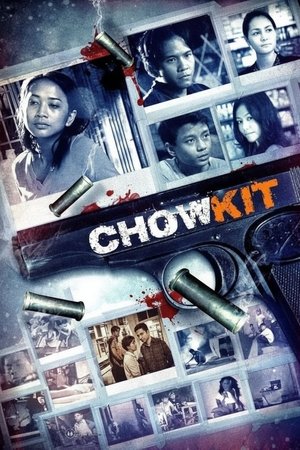
Chow Kit
A group of teenage ruffians have been using any means to survive on their own in the streets of Chow Kit. But when their friend Tika is raped one day, this group of adolescents have to up the stakes and band together to seek justice and a solution to the problem or more lives will be taken. Meanwhile, on the other side, a former ex-member of the Chow Kit group who has recently been released from prison vows to start a new life, only to find himself dragged back into the past when he agrees to take on one last job for the gang. But when the job goes awry, he must choose between freedom and rotting in prison again.

- / 5
PopScore
Representation
Pictures and Videos

Movie Information
A group of teenage ruffians have been using any means to survive on their own in the streets of Chow Kit. But when their friend Tika is raped one day, this group of adolescents have to up the stakes and band together to seek justice and a solution to the problem or more lives will be taken. Meanwhile, on the other side, a former ex-member of the Chow Kit group who has recently been released from prison vows to start a new life, only to find himself dragged back into the past when he agrees to take on one last job for the gang. But when the job goes awry, he must choose between freedom and rotting in prison again.
Rating:
Genre:Action, Drama, Crime
Written By:Rosihan Zain
In Theaters:
Box Office:
Runtime:99 minutes
Studio:








Articles You May Like
Martin Scorsese's 'Kundun' is a Must Watch for Dharma Day
Director Martin Scorsese broadens his boundaries from mafia-driven movies, to a Buddhist biopic of the 14th Dalai Lama. While Buddhism strives for peace, ‘Kundun’ reveals the violence inflicted on Tibetan Buddhists and Scorsese’s depiction of violence does not stray away.
"Him" - All Flash, No Game
Him is visually stunning—all concrete cathedrals and bone-rattling impact shots that look like a nightmare highlight reel. Marlon Wayans is magnetic as this legendary quarterback who's basically selling salvation with a smile that never quite reaches his eyes. But the story keeps running in circles: more tests, more cryptic pep talks, more ritualistic drills. The sports-as-religion metaphor beats you over the head when subtlety would've been more effective. The middle drags, and that finale chooses spectacle over substance. It's undeniably stylish, but left me cold. Also worth noting: despite the Monkeypaw connection, this isn't actually a Jordan Peele film—he didn't write or direct.
'A Babysitter's Guide to Monster Hunting'
This horror movie combines elements of horror and babysitting with Black representation.
Dead Poets Society Steals a Queer Story
Dead Poets Society relies on patriarchal tropes such as overbearing fathers, contrived brotherhood, and faux-individuality in order to portray its straight white male characters as oppressed.