


“Bury Your Gays” Trope in TV and How “Wynonna Earp” Defies it
I think that the happiness and survival of "Wynonna Earp"’s LGBTQ+ characters is incredibly refreshing in contrast to the prevalence of queer suffering and death in other television.
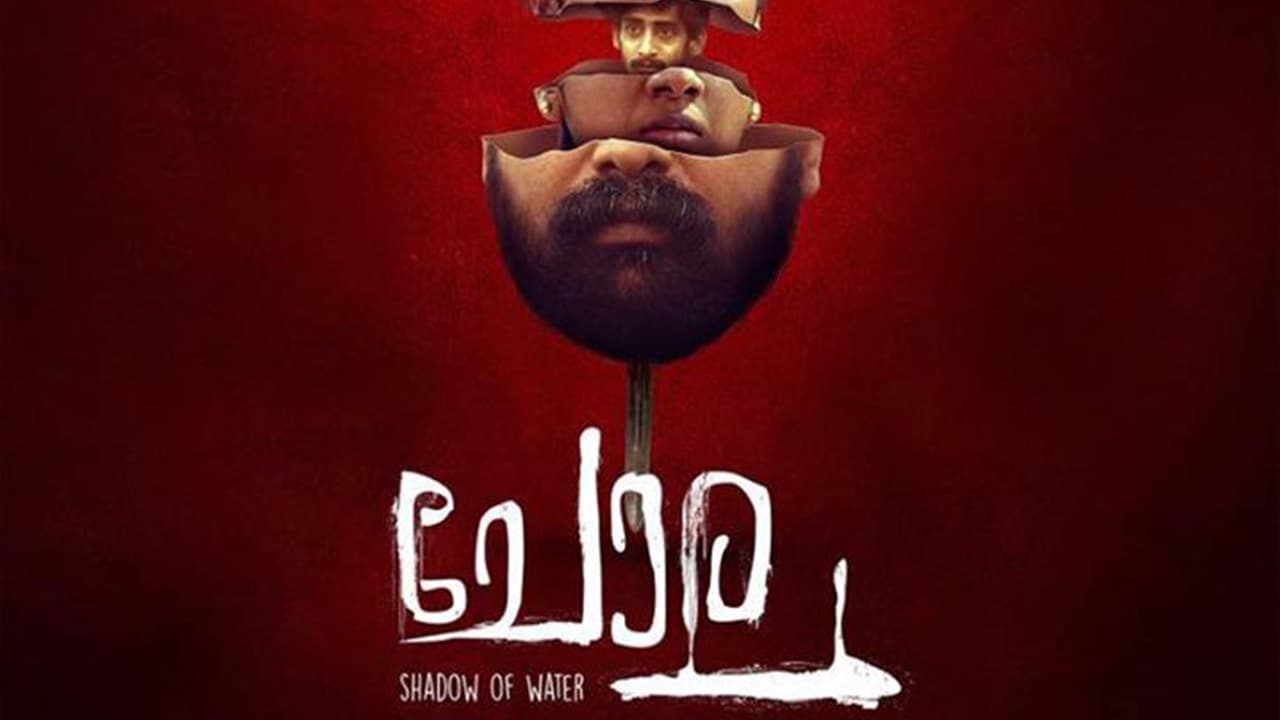
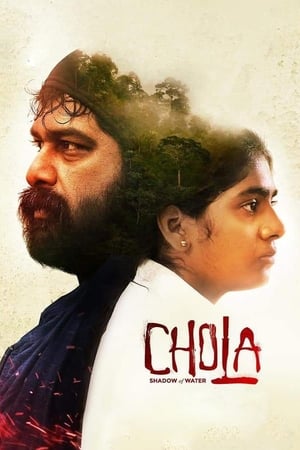


Teenager Janaki and her scrawny paramour visit the city behind her mother’s back. He’s arranged for a ride from his boss, a sullen man who tells Janaki that he knows she’s lied to her mother. The trio drive into the city where the teenagers are besotted with the lights, the malls and the beach. They lose track of time and are forced to stay the night in a bare-bones motel where the horrors begin. A magic realist portrait of India’s growing pains.
I think that the happiness and survival of "Wynonna Earp"’s LGBTQ+ characters is incredibly refreshing in contrast to the prevalence of queer suffering and death in other television.
A bumpy journey about revolution and family makes us feel fear, disgust, humor, and satisfaction.
Making Apes begins by looking back at the history of makeup effects in Hollywood, which was revolutionized by Jack Pierce, the person behind Frankenstein (1931) and The Wolf Man (1941)
Overall, The Shining is a great film to watch for its atmosphere and setting. While the characters’ portrayals could’ve been more accurate to the book, they’re all still memorable nonetheless.
When you first hear that there is a series on Netflix where the lead character’s wife dies from cancer and he becomes dangerously suicidal, you wouldn’t immediately assume that it’s a comedy.