
Dracula (2025)’s Yearning for His Lover
Dracula evolved from a person to a monster and then from a monster to a person.
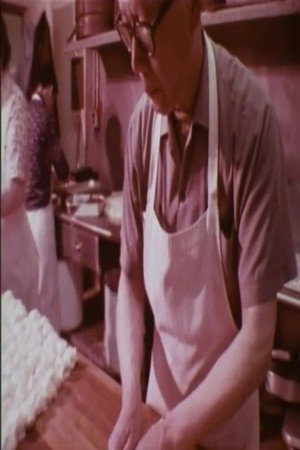


Alan Ohashi explores the changing landscape of San Francisco’s Chinatown. Produced during a volatile period in which community re-development initiatives in cities threatened the unique community fabric of various ethnic communities, Chinatown: Portrait of a Working Community juxtaposes the vivacity of the people, businesses and community institutions of one of California’s first and largest Chinatowns against the violent closure, in August 1977, of the International Hotel, a low-income hotel abutting Chinatown along Kearny and Jackson Streets.
Dracula evolved from a person to a monster and then from a monster to a person.
Films about casinos have long been a favorite of Hollywood. This is unsurprising, as they're often tied to magnetic characters whose lives revolve around luxury, spectacle, and even danger.
The Djinn is about childhood traumas and lifestyle changes. It tells the story of Dylan (Ezra Dewey), a mute boy who blames himself for his mom’s death. He also condemns himself for being speech-impaired, and he thinks that if he did not have that condition, everything could had been different.
'Air' is a fun film about a company that put it all on the line for a 22 year old kid from North Carolina
A family drama is woven with quiet yet powerful forces of words and nature.
I have no idea how getting an abortion is still not a basic right at this point, but that means the fight is far from over. So, films like Happening are ever-relevant.