



No One Mourns the Wicked?
Ultimately, Wicked is a story about the cost of being othered, the pain of being misnamed, and the quiet revolution of standing in your truth.
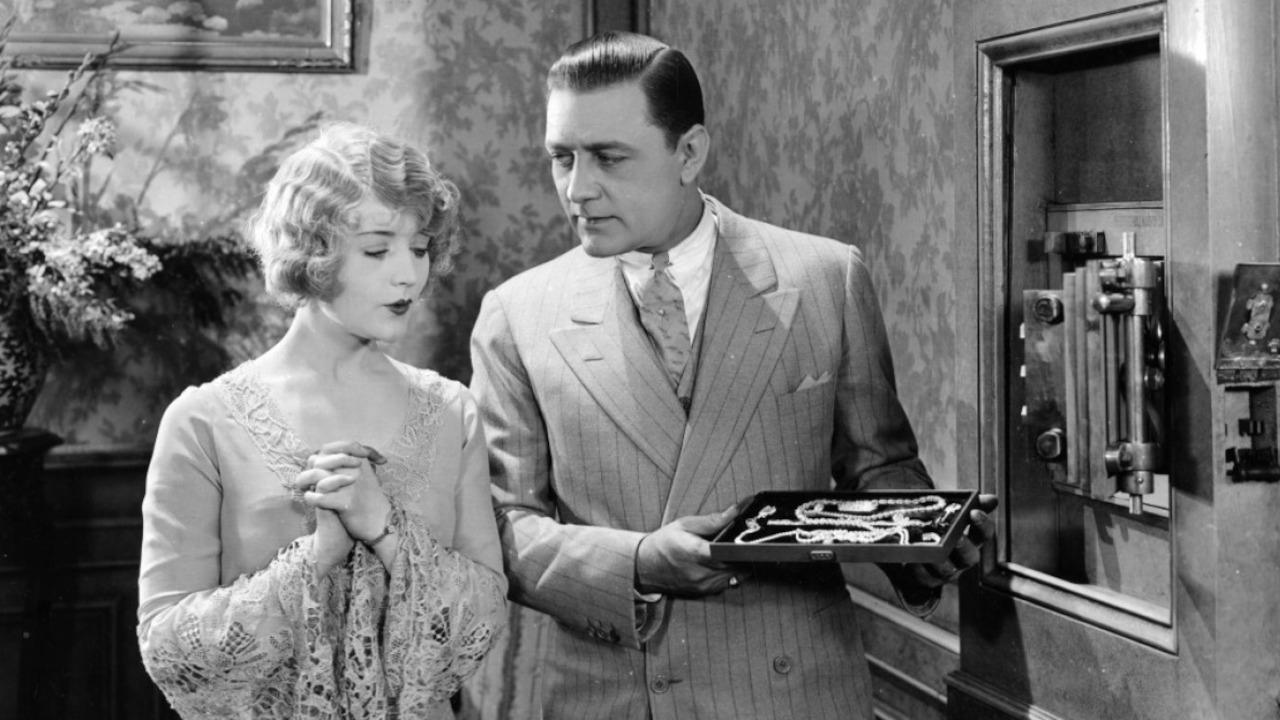



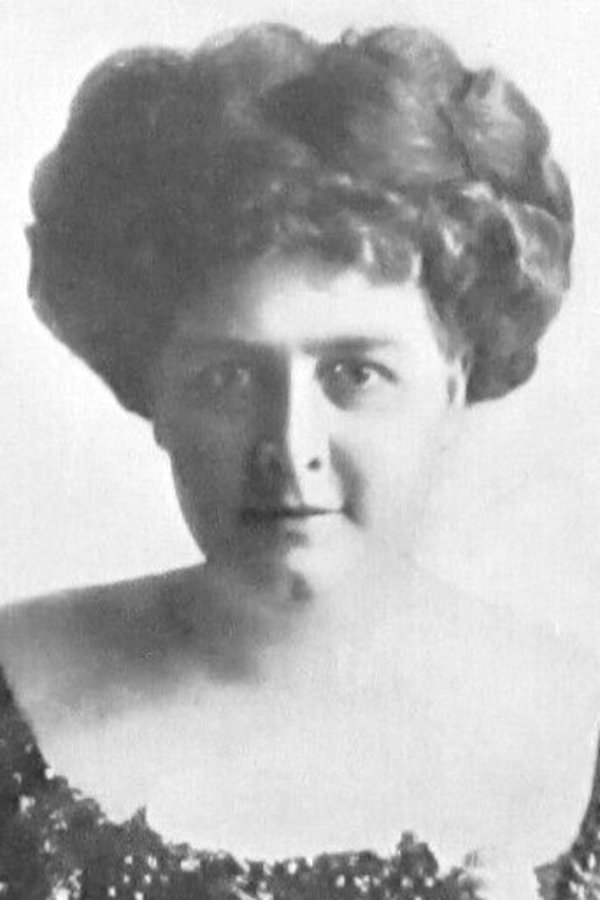
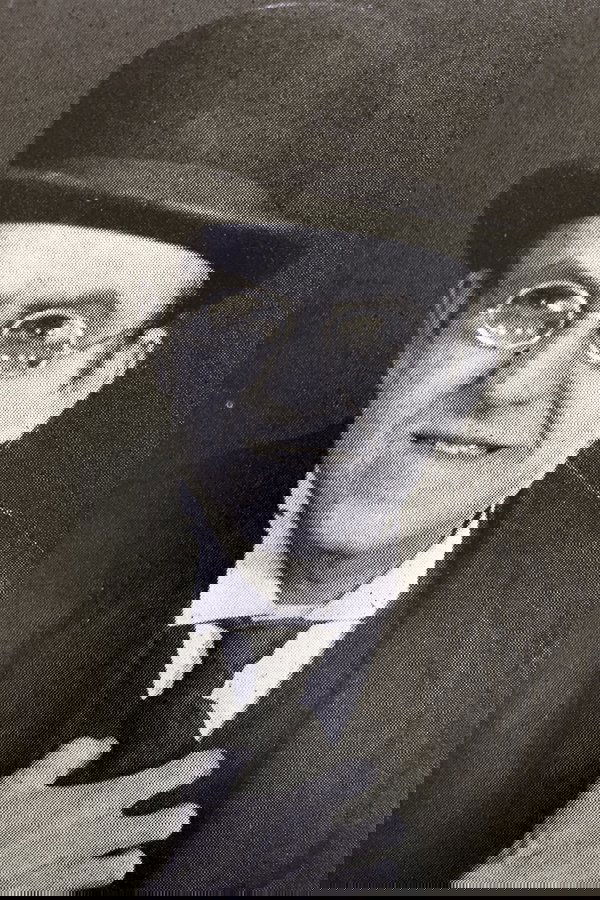
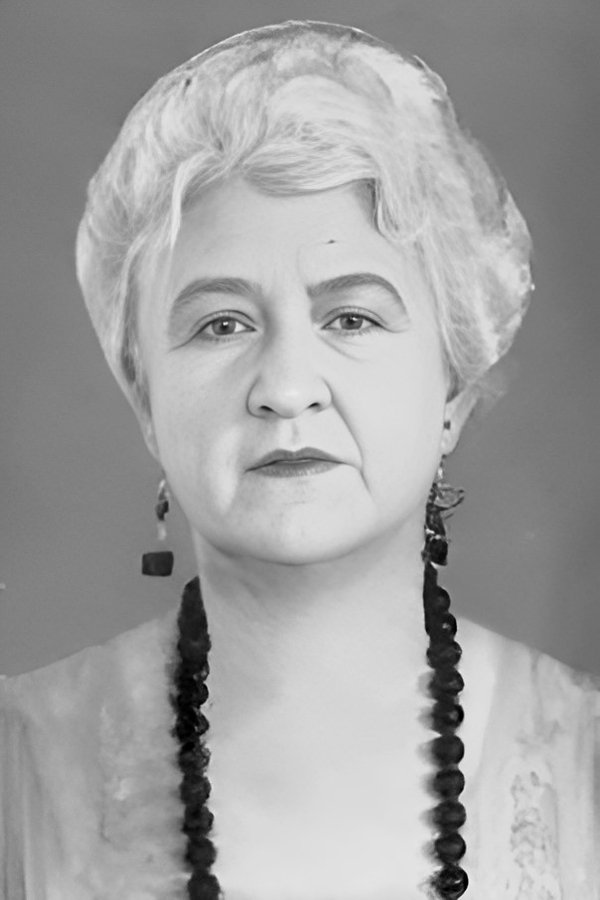
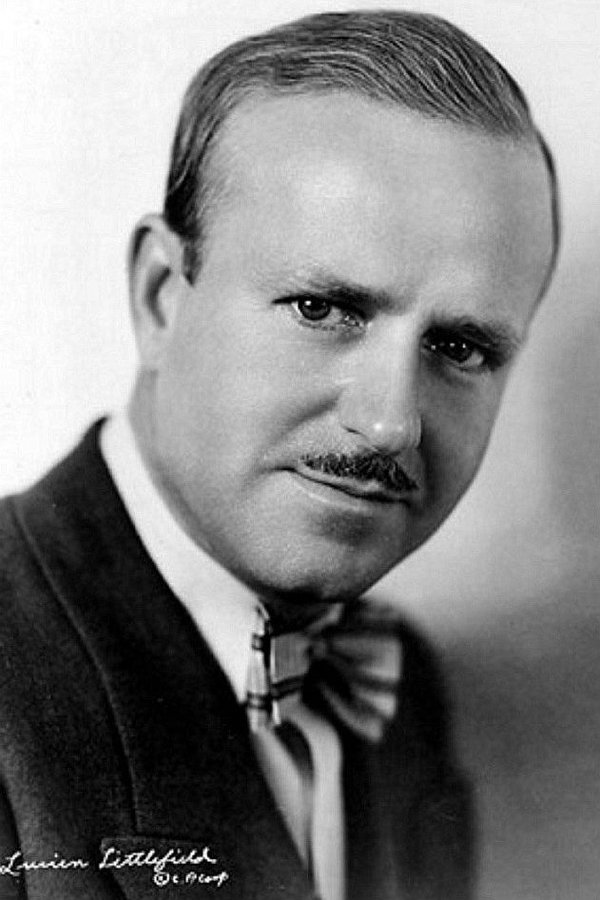
Nan Carey ( Betty Compson ), a shoplifter, is caught by the police but acquitted through the influence of Lazare ( Lucien Littlefield ), a crooked lawyer, who places her with a gang of crooks. Posing as the Brockton family, they move to a seaside home, where they plan to steal the jewel collection of the Palmers, their neighbours. Nan wins the confidence of the family by flirting with Tom ( Kenneth Harlan ), who becomes infatuated and wants to go away with her, but she refuses him. Tom is caught red-handed in the Brockton mansion attempting to steal their jewels while Nan is making a success of the Palmer robbery.
Ultimately, Wicked is a story about the cost of being othered, the pain of being misnamed, and the quiet revolution of standing in your truth.
Having Sersi be the central force in Eternals is unprecedented in its viewpoint and focus, from demonstrating a gentle type of leadership, to being overlooked in a group setting but succeeding in the goal at hand anyways, to having romantic options, to strength and integrity, and majority screen time - for a group that's given less screentime than aliens.
In My Octopus Teacher, documentary filmmaker Craig Foster models healthy masculinity by showing us a trusting, gentle, and emotionally fulfilling bond with an octopus.
The message to take away from 'Causeway' is that toxic masculinity can manifest in anyone, no matter what their gender identity is.
Magnolia focuses on how one’s childhood and trauma relate to their confidence and self.
Court TV shows offer uncritical eyes on the systemic inequalities of the legal world.