
Dead Poets Society Steals a Queer Story
Dead Poets Society relies on patriarchal tropes such as overbearing fathers, contrived brotherhood, and faux-individuality in order to portray its straight white male characters as oppressed.
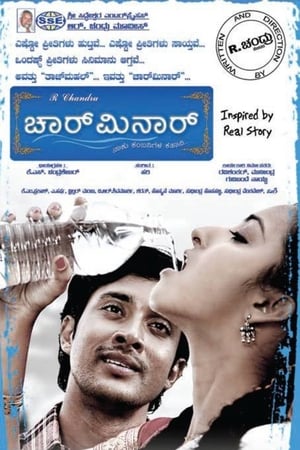


The film deals with the life of a man in comparison with the famous monument Charminar in Hyderabad, that shows four important pillars including family, guru, friends and lover.
Dead Poets Society relies on patriarchal tropes such as overbearing fathers, contrived brotherhood, and faux-individuality in order to portray its straight white male characters as oppressed.
Viewers get a glimpse of life of mediocrity in a world where humans and cartoon characters live together in this comeback.
Dead Poets Society brilliantly combines defeat and optimism, rejection and love, craziness and daring, fear and freedom.
The venn diagram of pop feminism and white-centered feminism is a circle. Acknowledging that is not a crime nor a diminishing of 'Barbie', Director Gerwig, or feminism in general.
A chilling return to the Final Destination franchise with a terrifying twist on fate. Bloodlines explores whether Death can hold a grudge across generations—and what happens when the past won't stay buried.
Netflix’s Shadow and Bone has a complicated relationship with race. It has a diverse cast, but not without its problems. Based on Leigh Bardugo’s two book series, the show features characters from the Shadow and Bone trilogy, which is very straight and white, and the Six of Crows duology, which is much more diverse. When bringing together a cast and writing about these characters, the team behind the show expanded upon some of the representation missing from the first trilogy, then seemed to take away representation from the duology. Shadow and Bone seems to play a bit of a push and pull game when it comes to portraying diversity onscreen.