






Incluvie – Better diversity in movies.
Identity in film with Incluvie stamps, scores, reviews.

Incluvie – Better diversity in movies.
Explore identity in film with Incluvie stamps, scores, reviews, and insights.

trailer banner
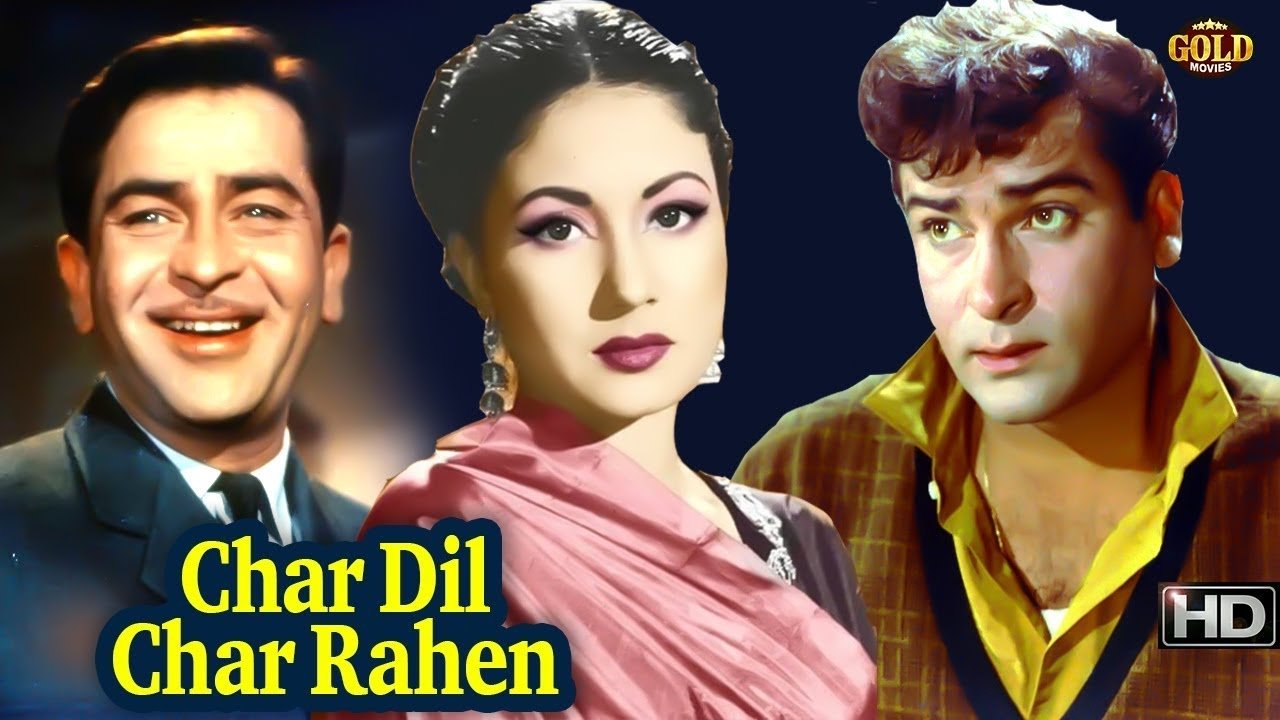
Char Dil Char Rahen poster

Char Dil Char Rahen (1959)

Three love stories that take place simultaneously but do not intersect, because the characters do not interact with each other, even though they all live in the same neighborhood. Govinda, a gloomy Airai boy who was cruelly separated from his beloved girlfriend, Chalvi, who was expelled from the village. Johnny Braganza, a waiter who has just been released from prison after being unjustly accused of falsifying the accounts of the hotel owner, Ferrara, who successfully seduces Johnny's girlfriend, Stella. Now he is setting up a car garage at the same intersection.
- / 5
PopScore
Representation

Pictures and Videos


Incluvie Gala

Movie Information


Three love stories that take place simultaneously but do not intersect, because the characters do not interact with each other, even though they all live in the same neighborhood. Govinda, a gloomy Airai boy who was cruelly separated from his beloved girlfriend, Chalvi, who was expelled from the village. Johnny Braganza, a waiter who has just been released from prison after being unjustly accused of falsifying the accounts of the hotel owner, Ferrara, who successfully seduces Johnny's girlfriend, Stella. Now he is setting up a car garage at the same intersection.

Rating:
Genre:Drama
Directed By:Khwaja Ahmad Abbas
Written By:Khwaja Ahmad Abbas, Inder Raj Anand, V.P. Sathe
In Theaters:12/1/1959
Box Office:

Runtime:

Studio:Naya Sansar

Articles You May Like


"Him" - All Flash, No Game

Him is visually stunning—all concrete cathedrals and bone-rattling impact shots that look like a nightmare highlight reel. Marlon Wayans is magnetic as this legendary quarterback who's basically selling salvation with a smile that never quite reaches his eyes. But the story keeps running in circles: more tests, more cryptic pep talks, more ritualistic drills. The sports-as-religion metaphor beats you over the head when subtlety would've been more effective. The middle drags, and that finale chooses spectacle over substance. It's undeniably stylish, but left me cold. Also worth noting: despite the Monkeypaw connection, this isn't actually a Jordan Peele film—he didn't write or direct.

Nilufer Ozmekik