



‘The Devil All The Time’ is Gritty and Bleak
Gritty and bleak are the best words to describe this film. There’s nothing happy about it.
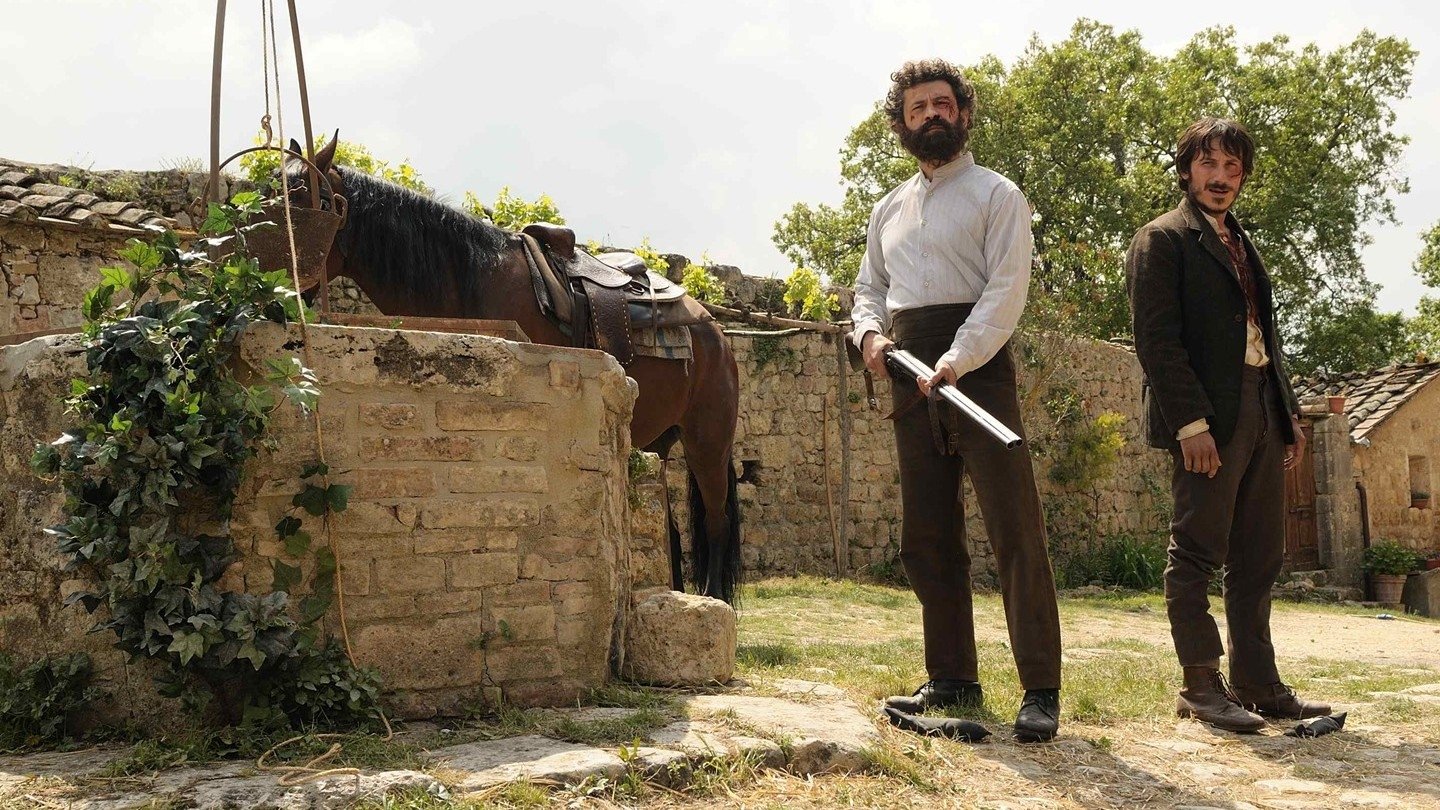
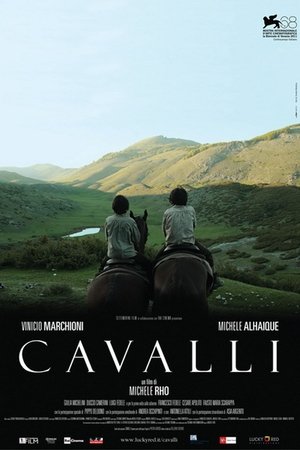


At the end of the 19th century, in a small village in the Apennines, in a house lost in the middle of a valley, live Alessandro and Pietro, two very different but very close brothers. The two children, aged eleven and thirteen, carefree and full of energy, live like two wild animals, always getting into trouble and spending their days racing carts, diving into the river, and stealing from the cellar. When their mother dies, their father sells his last possessions to buy his sons two beautiful, untamed foals, Baio and Sauro. As adults, while Alessandro feels a growing desire to cross the mountains and go far away, Pietro wants to become a breeder and live with Veronica, the girl he loves.
Gritty and bleak are the best words to describe this film. There’s nothing happy about it.
If you mix religious rituals with dark mythology, the result will be effective, and the story powerful in 90% of the cases. That is exactly what happens at the beginning of The Vigil.
The social issues The Half of it takes on are handled well, between the antagonization brought on to Ellie for her race and the conflict that arises from her being gay. Both aspects of her character are built up over the course of the film and don’t seem abrupt or rushed. The film shows racism towards Ellie and her and father in varying levels, from having her schoolmates specifically address her as "Chinese girl” to the fore mentioned way her Dad is treated due to language barriers. The same can be said about Ellie being a lesbian. While she never truly “comes out” in the narrative, that does not undermine her journey of self-discovery from being meaningful. These ideas aren’t thrust upon the viewer in a preachy manor, the scenarios that occur feel believable given the rural setting. The film presents watchers with problems whom those like Ellie may face, and leaves us to sit with them and reflect.
I am an Armenian who has a mild form of epilepsy. I rarely see Armenian culture and epilepsy properly portrayed in film or TV. I delve into the how and why.
It’s 2021 and what few LGBTQ+ films that are produced by major film studios continue to star cisgender heterosexual actors, rather than actual LGBTQ+ people.
Documented human suffering is never easy to view or read about and is understandably triggering for many people, but it can be educational, and education is a key to change. An overwhelming amount queer people worldwide (and in my own country) have it far worse than I could imagine, and documentaries such as Welcome to Chechnya bring issues to light that certain groups of people would never see.