





"Eleanor The Great"Certainly Is
“Eleanor The Great” is a feel-good story that explores how we cope with grief and loss while educating us about the horrors of the Holocaust.
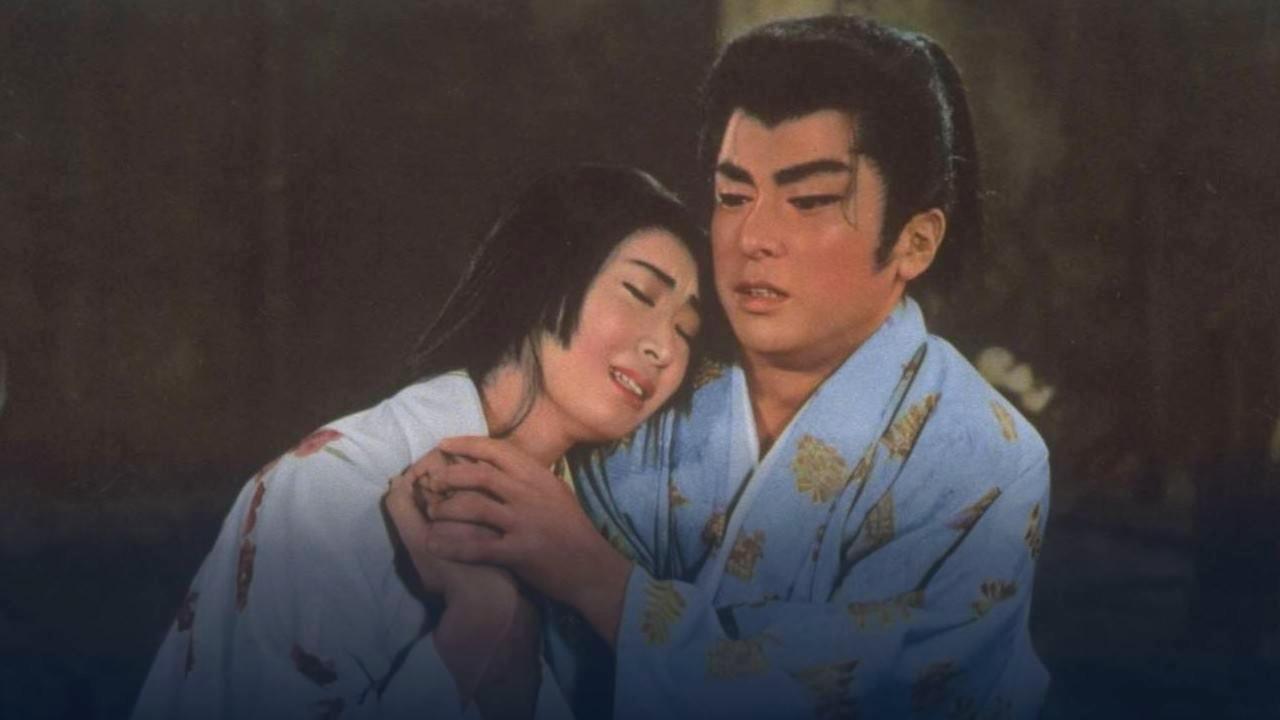
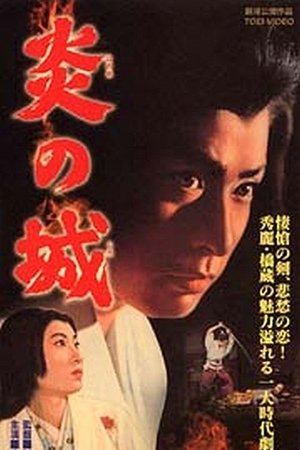


In 17th century Japan, Young Lord Masato returns after years abroad to find everything changed: his peace-loving father has died in what he soon finds to be mysterious circumstances, and his mother's married to his uncle, whose ruthless ambition is causing turmoil in the kingdom. Not knowing who to trust, Masato feigns madness, vowing to get to the truth, even though his act causes distress to the girl he loves, who's waited for him all these years. The ghost of his father turns up now and then to show him the way. Meanwhile a peasant revolt is brewing... It all ends tragically.
“Eleanor The Great” is a feel-good story that explores how we cope with grief and loss while educating us about the horrors of the Holocaust.
There’s enough evidence to insinuate that What We Do in the Shadows is intentionally queer-coded.
An analysis on how the Garfield movie fails to represent the characters it is adapting, especially the women, by removing their best characteristics.
When we hear Korean Cinema, we often think of South Korean Cinema, but what about North Korea? Sure, North Korea has its propaganda moments, but 'Pulgasari' might be its best one yet.
In the shadow of towering film production companies lived dozens of grindhouses, genres, and low-budget films deemed too “unclean” for the modern film audience.
'Hawkeye' episode five features Clint facing his sins, Kate having dinner with an assassin, and the reveal of the long-awaited [SPOILER].