


Dead Poets Society Steals a Queer Story
Dead Poets Society relies on patriarchal tropes such as overbearing fathers, contrived brotherhood, and faux-individuality in order to portray its straight white male characters as oppressed.
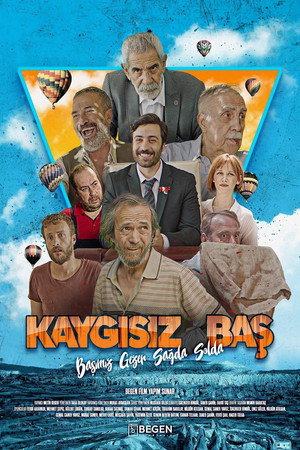


Murat, who lives in Istanbul, decides to return to his hometown of Cappadocia after being fired from his job. As he plans to start a new business there, his path crosses with his cousins Bedri and Fehmi, who are trying to escape the consequences of a crime they committed. However, the carefree spirit wandering around the town will both prevent Bedri and Fehmi from escaping and support Murat in establishing his new venture.
Dead Poets Society relies on patriarchal tropes such as overbearing fathers, contrived brotherhood, and faux-individuality in order to portray its straight white male characters as oppressed.
Lady Bird (Saoirse Ronan) tells her mother (Laurie Metcalf) that she wants to live through something — something that matters.
Films staring black transgender actresses/actors are few and far between, it’s refreshing to see a demographic represented in film that hardly gets any attention. This is especially important as the Black trans community has been shown in studies to face the highest level of discrimination amongst general trans and non-binary groups. That is why it’s so crucial that we amplify their voices through any way we can, storytelling being a great medium to do so.
America is the crux of the storyline: she is the only person in existence with the power to jump between universes. As central as America is to the Multiverse of Madness story, she somehow didn’t get that much to do.
Wacky antics ensue when a 100-year-old Jewish man wakes up from a pickled hibernation in the modern world.
This film manages to be simultaneously topical and timeless. Without being preachy, it highlights society’s flawed relationship with tech; insights into the complex ideas of family struggle are expertly dispersed among a perfectly paced and balanced story.