


"The World to Come": A Stunning Period Romance
Mona Fastvold’s nineteenth century lesbian romance is emotionally charged, restrained, and poetic without feeling forced.
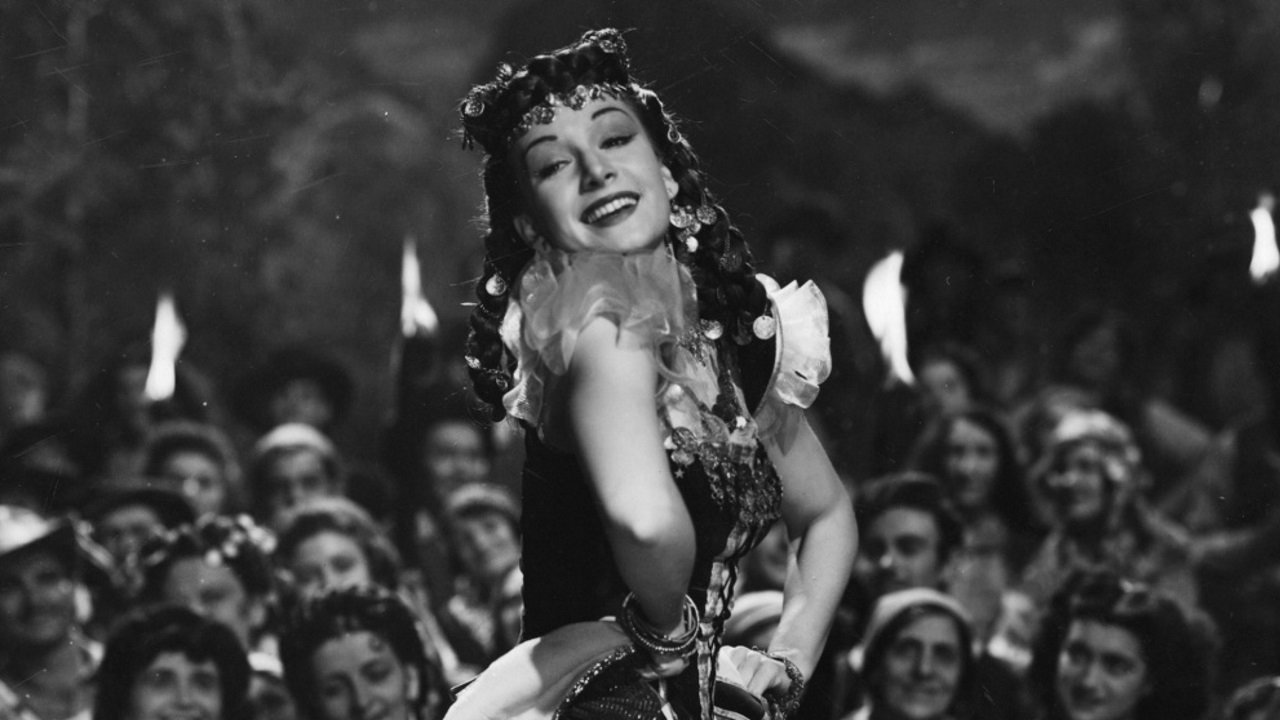
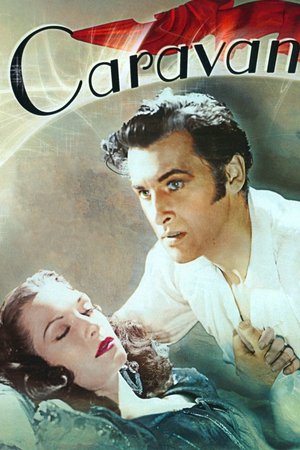


During the last half of the 19th century writer Richard Darrell saves Don Carlos from two robbers, and is entrusted by Don Carlos to take a valuable necklace to Spain. Richard leaves his fiancé, Oriana, and starts the trip. He meets Wycroft, a henchman for Sir Francis Castteldow, an aristocrat out to steal Oriana from Richard. The latter is assaulted, robbed and nearly killed and, as a result, loses his memory. He marries a gypsy girl, Rosal, while Oriana, thinking him dead marries the dastardly Sir Francis. Everybody will meet again. Complications will arise.
Mona Fastvold’s nineteenth century lesbian romance is emotionally charged, restrained, and poetic without feeling forced.
It is up to the community to decide if this film is a force for enlightenment or not.
A haunting look at grief, survival, and a mother’s quiet collapse in a world that never gave her room to fall.
What seems like such a simple story of survival is so much more than that—it’s a story of family, and of war, and of destruction. It’s painful to watch, but not in a bad way. It makes its audience reflect on their own actions, and in how they are complicit in the sufferings of others as the adults in this film are. Grave of the Fireflies does not hold back from being heartbreaking, and it shouldn’t. It tells a message that needs to be heard decades after the war, and a story that cannot be forgotten by history.
Overall, Lee Cronin’s The Mummy is plagued by numerous flaws, both from a quality and from a diversity standpoint. The film relies on gore and loud sounds to drown out its flat script, flatter dialogue, and one-dimensional characters.
'Pariah' tells a powerful, mesmerizing, and unflinchingly honest story of identity.