Where Is Albino Representation?
One of the reasons that people with albinism have a difficult time being seen and represented in media is probably because there is a small percentage of them.
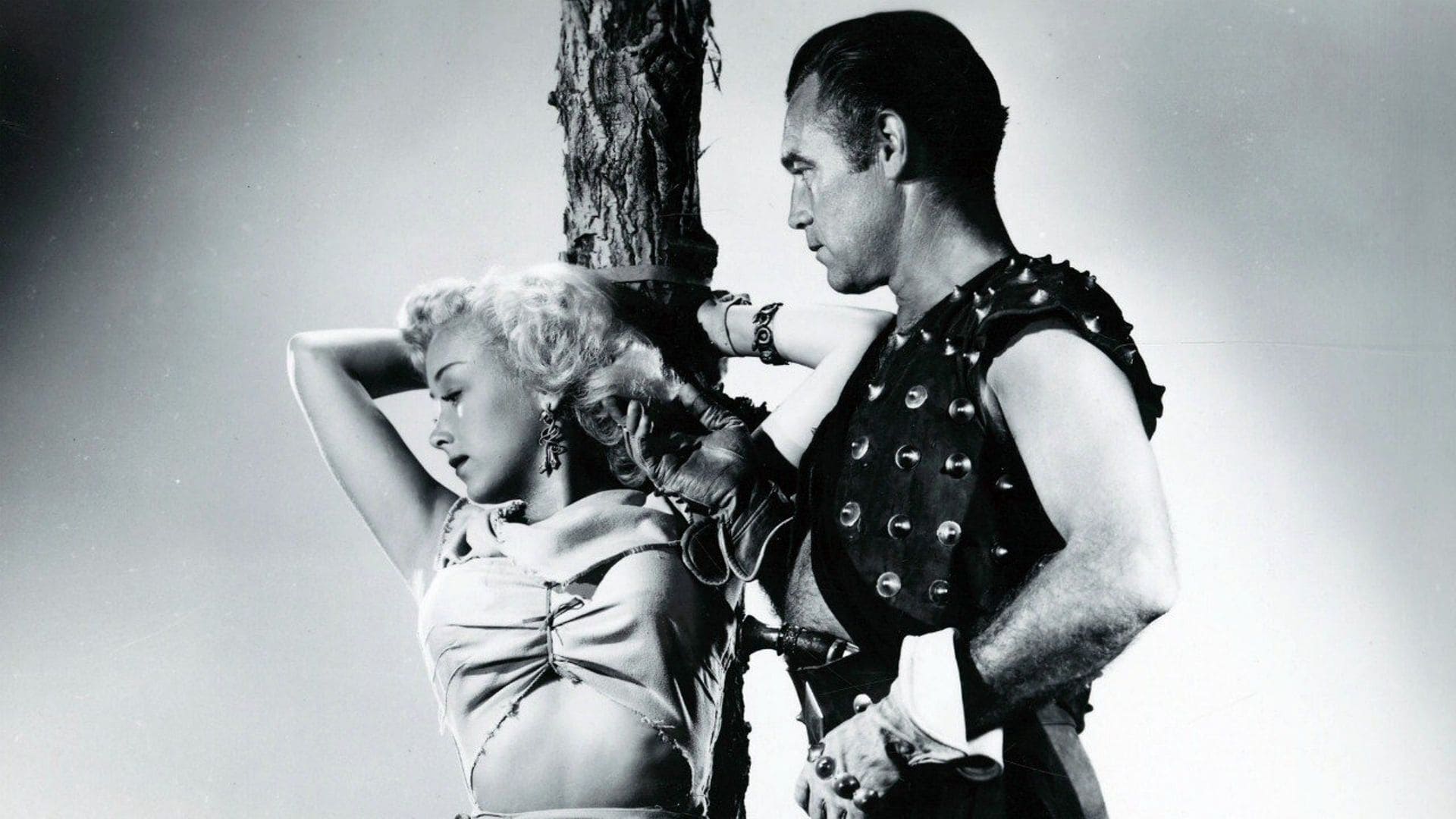



In post-apocalyptic New York, three tribes of survivors (the Norms, the Mutates and the Upriver People) vie for the right to exist. When the treacherous Upriver People attack the Norms, kill their chief and take their people captive, two Norm refugee men must find a way to ally with the Mutates, who have previously kidnapped Norm women in an effort to reproduce healthy children, to rout the Uprivers, who also seek to kill off the Mutates.

Stuart Gilmore
Director
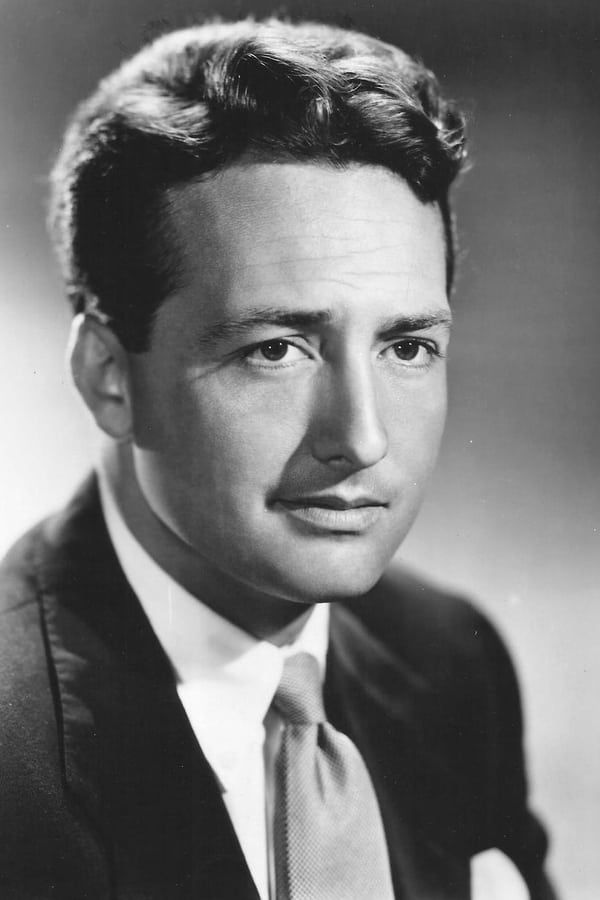
Robert Clarke
Rob

Robert Bice
Bram, Rob's pal

Stuart Randall
Gordon, chief of the Upriver People

Margaret Field
Ruth

Ron Randell
Riddon, chief of the Mutates

Gloria Saunders
Catherine, the Norm traitoress

William Schallert
Carver, the Mutate traitor

Douglas Evans
Jason, the Norm traitor

Marshall Bradford
Mutate Council Leader
Tom Daly
Dirk, a Mutate
Eric Colmar
Sabron, a Mutate
One of the reasons that people with albinism have a difficult time being seen and represented in media is probably because there is a small percentage of them.
In order to learn why an arguably outdated fanfic trope was resurfacing in the contact zone of popular culture, I dove into a vibrant trough of character development.
Years before Mexican director, Alfonso Cuaron, was winning Academy Awards for movies like Gravity (2013) and Roma(2018), he directed a small, intimate film about two best friends who decide to embark on an improvised road trip to spend time with an older, attractive woman who miraculously agrees to go with them. Y tu Mamá También is a deep journey into the raw sexuality and friendship of the young protagonists, as well as a subtle social and political commentary on Mexico at the time.
'My Big Fat Greek Wedding' is a franchise built on inclusive storytelling.
Another story focuses on the bond between a young man and a shelter dog in this Netflix drama film.
This spin-off series follows the adventures of Kitty Covey, Lara Jean's younger sister from the "To All the Boys" film franchise.