In 'The Patient,' Patience Doesn't Really Pay Off
'The Patient' is bound by four walls and a mediocre ending that leaves you wanting more.
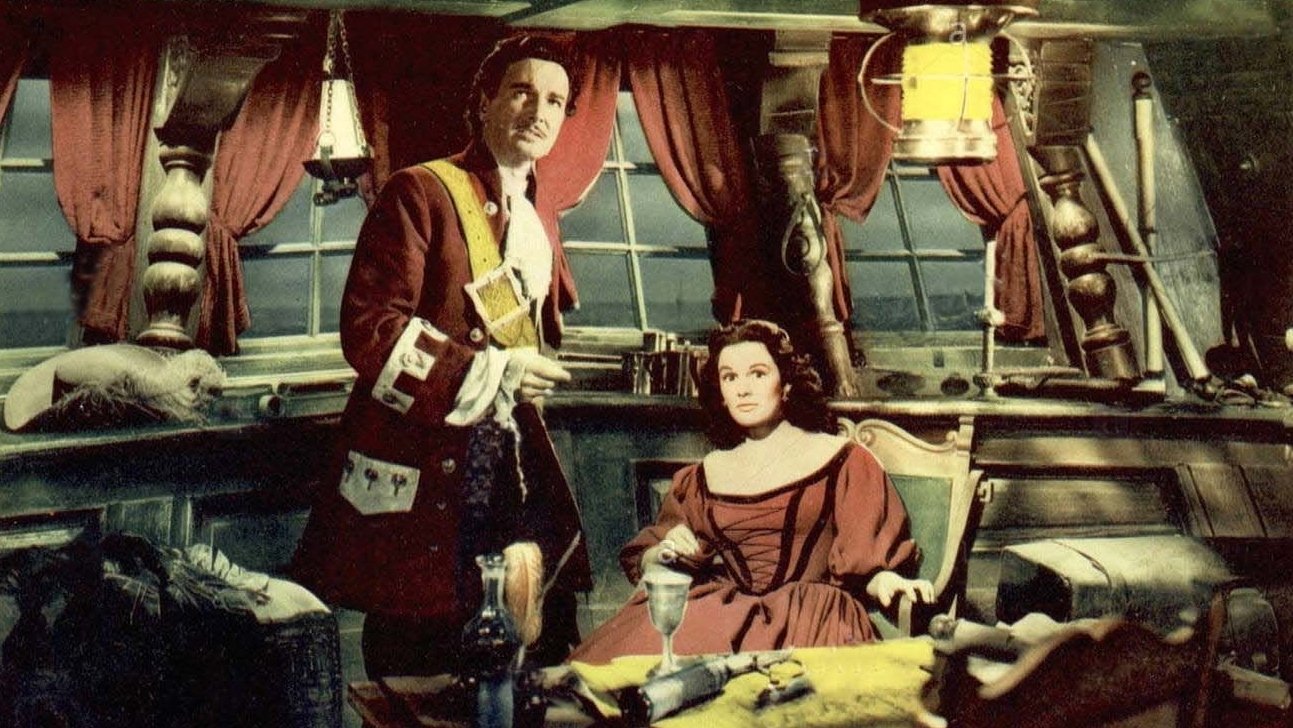



In 1690, years have passed since Captain Blood was pardoned by the Crown for his daring deeds against the Spanish on the Spanish Main, and he is living quietly on his plantation in the West Indies, practicing medicine and planning his marriage to Isabella. But his peaceful existence is shattered when Hilary Evans arrives and arrests him on a piracy charge. Somebody has been raiding the islands, and making it appear it was Captain Blood. In order to prove his innocence, Captain Blood has to sail again under the "Jolly Roger."

Ralph Murphy
Director

Louis Hayward
Captain Peter Blood
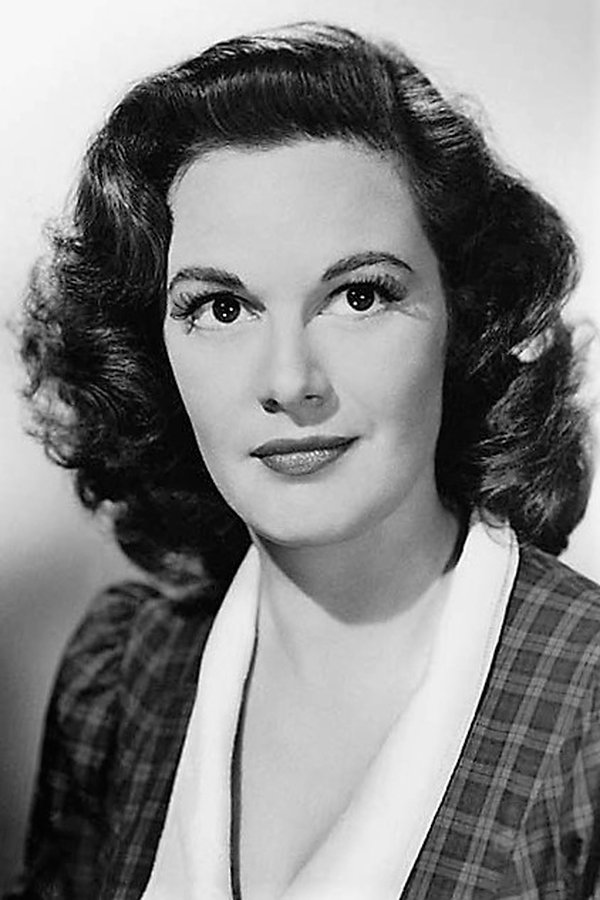
Patricia Medina
Dona Isabella

John Sutton
Hilary Evans
Charles Irwin
Angus McVickers

Ted de Corsia
Captain Easterling
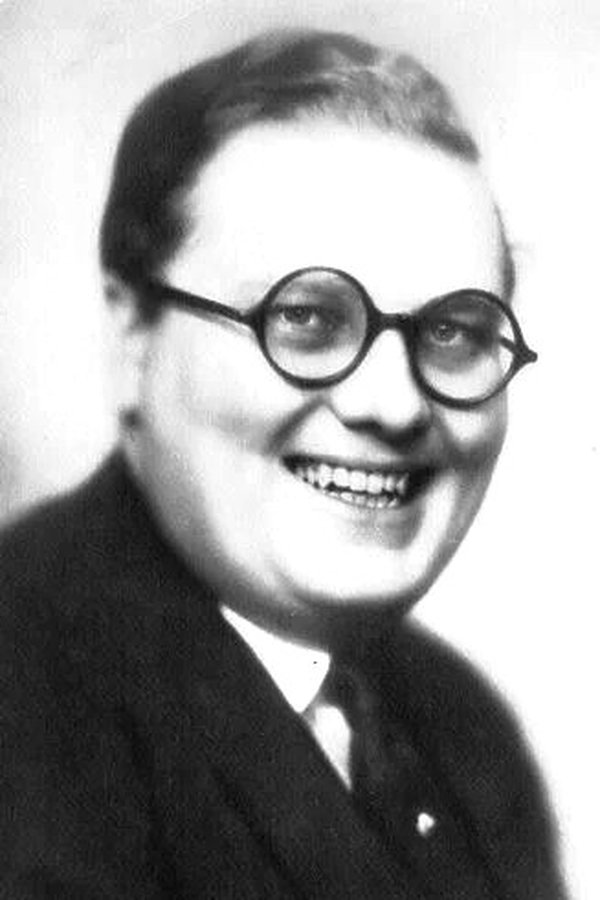
Rex Evans
Gov. Henry Carlyle
Malú Gatica
Amanda
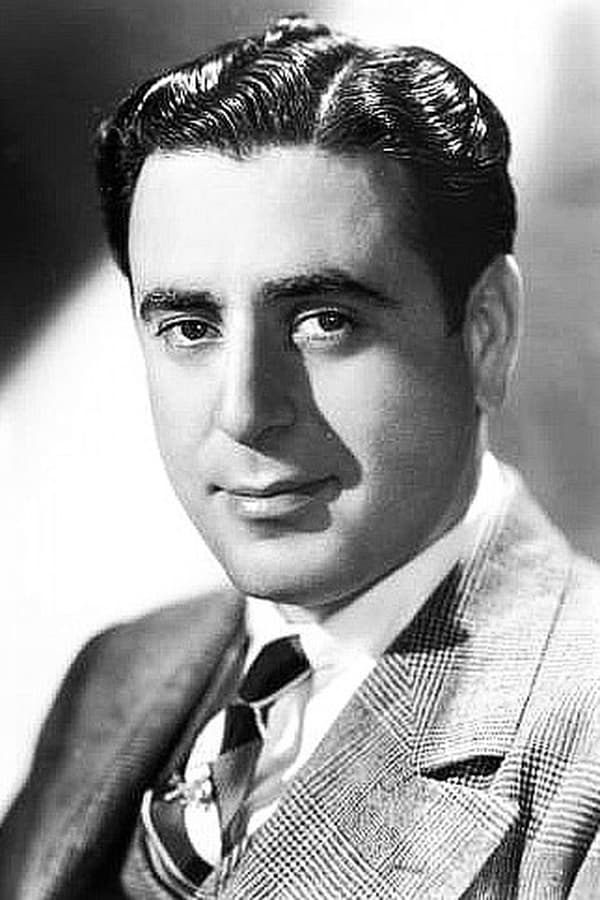
George Givot
Tomas Velasquez
Robert McNeeley
Manuelito
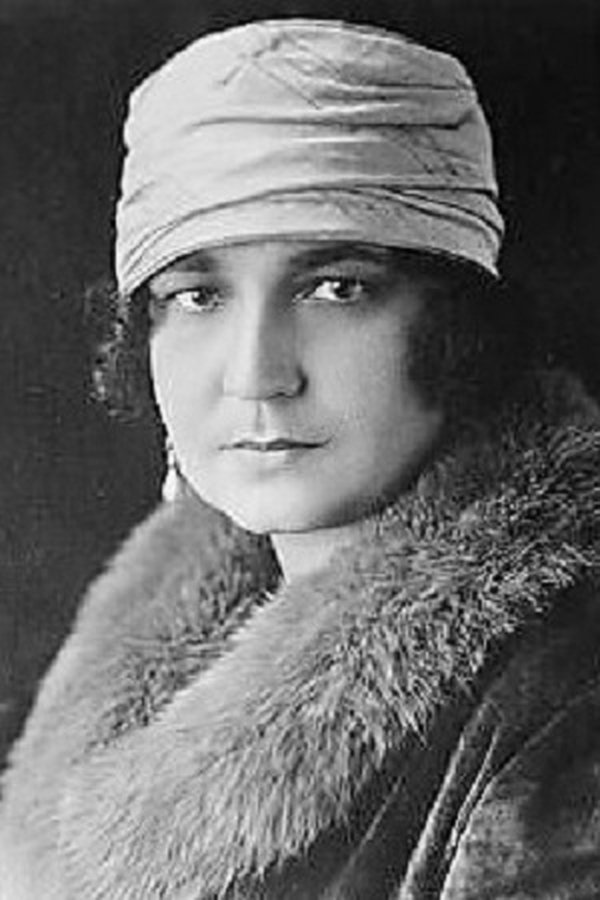
Nina Koshetz
Madame Duval

Lester Matthews
Col. Ramsey
'The Patient' is bound by four walls and a mediocre ending that leaves you wanting more.
"WHAT ARE YOU WILLING TO SACRIFICE?!!!!" "EVERYTHING!!!!!" This is but one of a multitude of highly emphatic questions, and subsequent answers, being asked in the newest feature film from one of the current masters of horror, Jordan Peele ("Get Out", "Us" and "Nope"). I must give Peele credit in that he continues to push the boundaries of specific genres and their associated tropes in order to provide what ends up amounting to subtly then jarringly intense, yet still character and story-driven, cinema that speaks more to indie stylings than mainstream.
For the most part, 'Sweet Girl' recycles tired hyper masculine revenge tropes, but a surprise twist in the end turns it into a female-centric revenge film.
Inspiring and diverse animated series for the whole family.
A best friend that will stick with you to the end, on a group trip from hell, is someone to die for.
'Selena: The Series' loses sight of the story's heart: Selena herself.