






‘También la Iluvia’: A Lesson in Shallow Representation
'También la Iluvia' exploits Indigenous peoples' fight against the privatization of water in order to tell a story about Spanish characters.
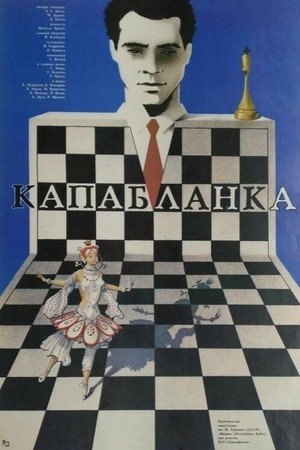


1925. José Raúl Capablanca, a famous Cuban chess player and employee of the Ministry of Foreign Affairs, arrives in Moscow for an international chess tournament. The trip, taking place under Machado's dictatorship, casts doubt on his future in this position. The film shows Capablanca's dramatic matches with Lasker, Tartakower, and Bogolubov, his tragic love for Bolshoi Theatre ballerina Sasha Mozhaeva, and a simultaneous game in which he lost to the very young Mikhail Botvinnik.
'También la Iluvia' exploits Indigenous peoples' fight against the privatization of water in order to tell a story about Spanish characters.
Praising Black representation and condemning the power structures that suppress it, a mother delivers an impassioned speech to her distant son.
We can criticize depictions from old media, but they weren’t simply “good for their time”. They were fighting and struggling in a world we can’t imagine.
A quiet film that does not demand your tears but earns them. It explores love that lingers, timing that fails, and the silence between what was and what could have been.
This story solidified my choices to consume a more plant-based diet and nearly made me cancel my subscriptions to big corporations like Amazon. The narrative was perfectly crafted and on par with Bong Joon-Ho’s other major works; Parasite and Snowpiercer.