




Rallies and Musical Numbers: Hairspray Unpacks Racism in The 1960s
The multifaceted musical represents America in the 1960s and the battle against bigotry as an ensemble cast portrays how to fight for the limelight.
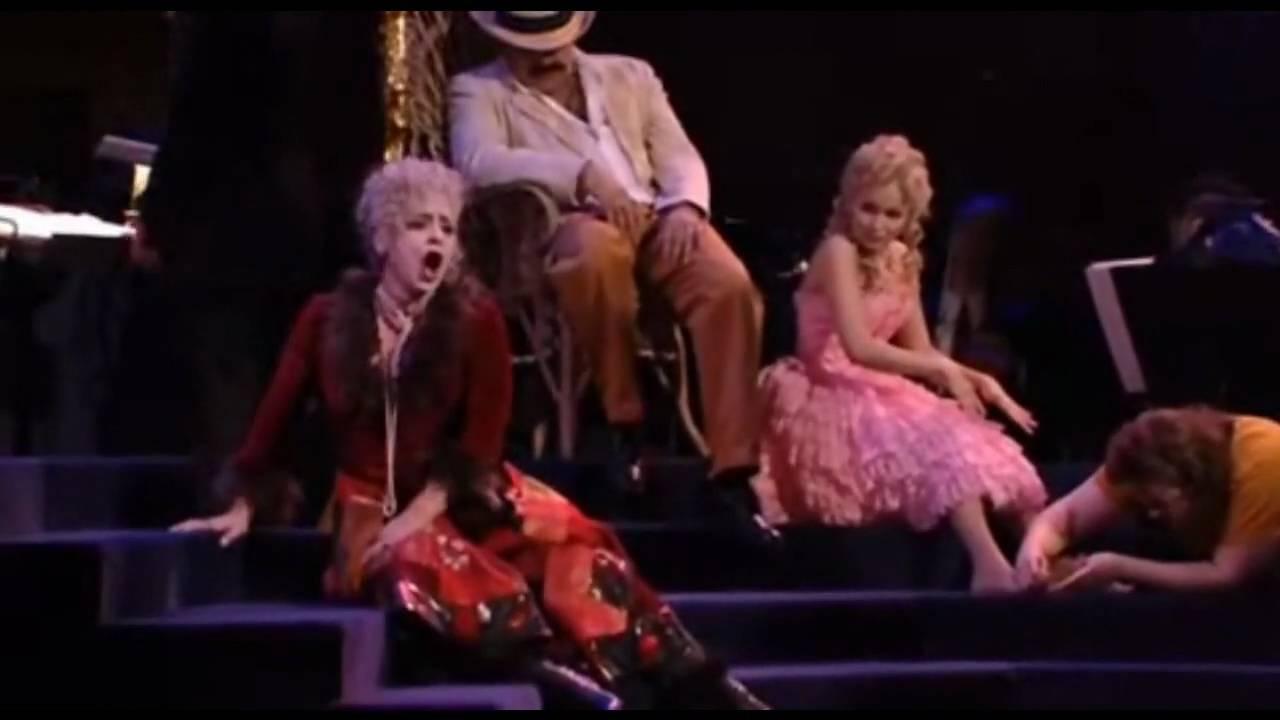


Candide falls in love with the beautiful but materialistic Cunegonde. Her barron father doesn't approve of the affair so Candide wanders, meeting all the misfortunes along the way.
The multifaceted musical represents America in the 1960s and the battle against bigotry as an ensemble cast portrays how to fight for the limelight.
We, the Jane Austen aficionados, are suckers for everything and anything under the sun that’s remotely related to her and her world. That’s because we are so drawn to her unique style of fiction, romance, and social commentary, we take any allusion to her influence as a hint to what to expect when we start watching a movie or reading a book.
Ruben Östlund muses about his characters, “As soon as you get close to a person, you see them as just another human being”. It is widely recognized that aboard the luxury yacht in ‘Triangle of Sadness’, the different groups of people represent a small society as a commentary on classism and gender binaries.
Cassie, a musician, and Luke, a man serving in the Marines, form a false relationship and keep it a secret.
A K-9 police dog goes undercover to stop an illegal animal smuggling ring and learns a valuable lesson along the way.
The tale of the Snyder Cut will undoubtedly go down as one of the most fascinating stories in modern film history. It is one of the rare times that movie fans were able to rally together and champion an issue so much so that it actually came to fruition.