

Blue's Clues and the Big City Adventure
A musical adventure that young viewers will enjoy as Blue and Josh travel to New York City for a big opportunity.

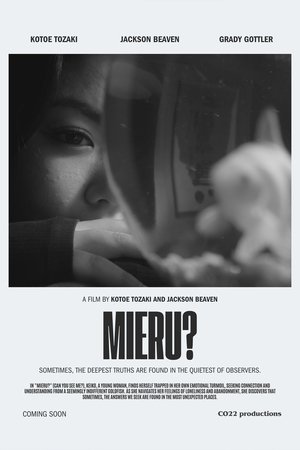


In "Mieru?" (Can you see me?), Keiko, a young woman, finds herself trapped in her own emotional turmoil, seeking connection and understanding from a seemingly indifferent goldfish. As she navigates her feelings of loneliness and abandonment, she discovers that sometimes, the answers we seek are found in the most unexpected places.
A musical adventure that young viewers will enjoy as Blue and Josh travel to New York City for a big opportunity.
In Spike Lee’s She’s Gotta Have It (1986), we follow the love life of powerful female protagonist Nola Darling (Tracy Camilla Johns) and explore the relationship dynamics she has with her partners. She sees three men simultaneously: Greer Childs, (John Canada Terrell) Mars Blackmon (Spike Lee), and Jamie Overstreet (Tommy Redmond Hicks). Though an 80’s film, She’s Gotta Have It is surprisingly progressive with its themes of female sexuality, although at some points in the film it is handled clumsily. Overall Nola is an incredibly compelling character especially for modern women, as we as a society acknowledge female sensuality more and more without the negative stigma.
Coverage from the Austin Film Festival, highlighting some panels and films that emphasized the importance of diverse and inclusive storytelling.
Hulu continues its Summer releases with The Princess. This film follows the princess (yes, she is unnamed) as she attempts to escape her tower, refusing to be wed to a cruel man vying for the throne. Action-packed and snarky, this is a decently fun film if you need a fighting fix.
We can criticize depictions from old media, but they weren’t simply “good for their time”. They were fighting and struggling in a world we can’t imagine.
In all actuality, “Just Mercy” should be labeled a “wall punching narrative.” Constantly, the flick throws high forms of adversity our way, amping up our most inner levels of discomfort. Filmmaker Destin Daniel Cretton wonderfully paces the film in such a way that replicates the slow-burn nature of justice.