



‘También la Iluvia’: A Lesson in Shallow Representation
'También la Iluvia' exploits Indigenous peoples' fight against the privatization of water in order to tell a story about Spanish characters.

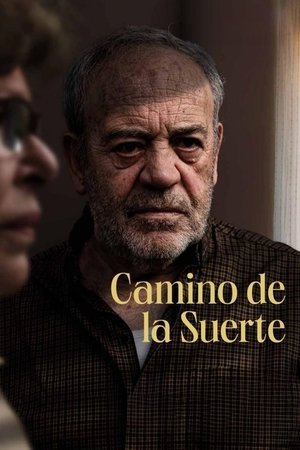


After the death of his wife after a long illness, Joaquín (Tito Valverde) decides to leave the city and take refuge in the small town where he was born. Seventy-five years old and with loneliness as his new and only companion in life, he can only wait for his turn. Poli, his best friend in the village, refuses to let him fall into his own abandonment: he has made a list of single women in the village to meet them and see if something comes up. Joaquín takes him for a madman and rejects his proposal completely. But Poli does not give up and ambushes him to learn that love has no wrinkles.
'También la Iluvia' exploits Indigenous peoples' fight against the privatization of water in order to tell a story about Spanish characters.
This little Netflix film was very inspirational. It passes the Bechdel test, and features a different worldview with rural Indian representation.
We, the Jane Austen aficionados, are suckers for everything and anything under the sun that’s remotely related to her and her world. That’s because we are so drawn to her unique style of fiction, romance, and social commentary, we take any allusion to her influence as a hint to what to expect when we start watching a movie or reading a book.
Remember Caroline from Vampire Diaries? Well, now she’s The Suitcase Killer, allegedly.
We have a long way to go with LGBT representation in film, especially when it comes to LGBT characters of color and trans characters.
Disney has cleverly managed to dance around the misdeeds of their past by scraping by with an insincere action that does very little to incite any long-lasting positive changes.