





Films that Avert the Idea Animation’s Only for Kids
I hate the idea that animation’s for kids; just because it’s animated doesn’t mean that it’s some silly cartoon and shouldn’t be taken seriously.
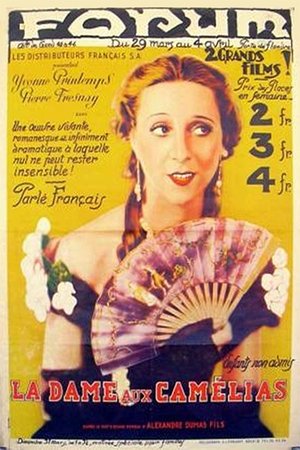


Alexandre Dumas' romantic novel Lady of the Camelias (more popularly known as Camille) was filmed twice in 1953, first in Argentina, then in France. The Argentine film was heavily modernized, while the French version returns to Dumas' 19th-century milieu. Micheline Presle is excellent as Marguerite, the gorgeous courtesan who flits from man to man until she finds true love in the form of the much-younger Armand (Rolande Alexandre). Though he is willing to marry her despite her past, she is persuaded to forsake him, lest his reputation be ruined. The story then wends its way towards its famous tragic finale, as the consumptive Marguerite is permitted a few brief moments of happiness before her flame is permanently extinguished. Advertised as the seventh version of the Dumas classic, La Dame aux Camelias was certainly not the last.
I hate the idea that animation’s for kids; just because it’s animated doesn’t mean that it’s some silly cartoon and shouldn’t be taken seriously.
Joker is a compelling, character-driven, psychological tale that has a message behind the madness.
Inspiring and diverse animated series for the whole family.
Disney has cleverly managed to dance around the misdeeds of their past by scraping by with an insincere action that does very little to incite any long-lasting positive changes.
'The Menu' has a strong story. The 5 acts, which are defined by the courses, are an excellent subversion of the classic 5-act film structure.
Some moments of the series are intense and ends on a cliff-hanger that will have you yearning for a second season.