


Why you Must Stream Netflix's new French Horror 'The Swarm'
A film about family and sacrifice... and carnivorous locusts coming after you.
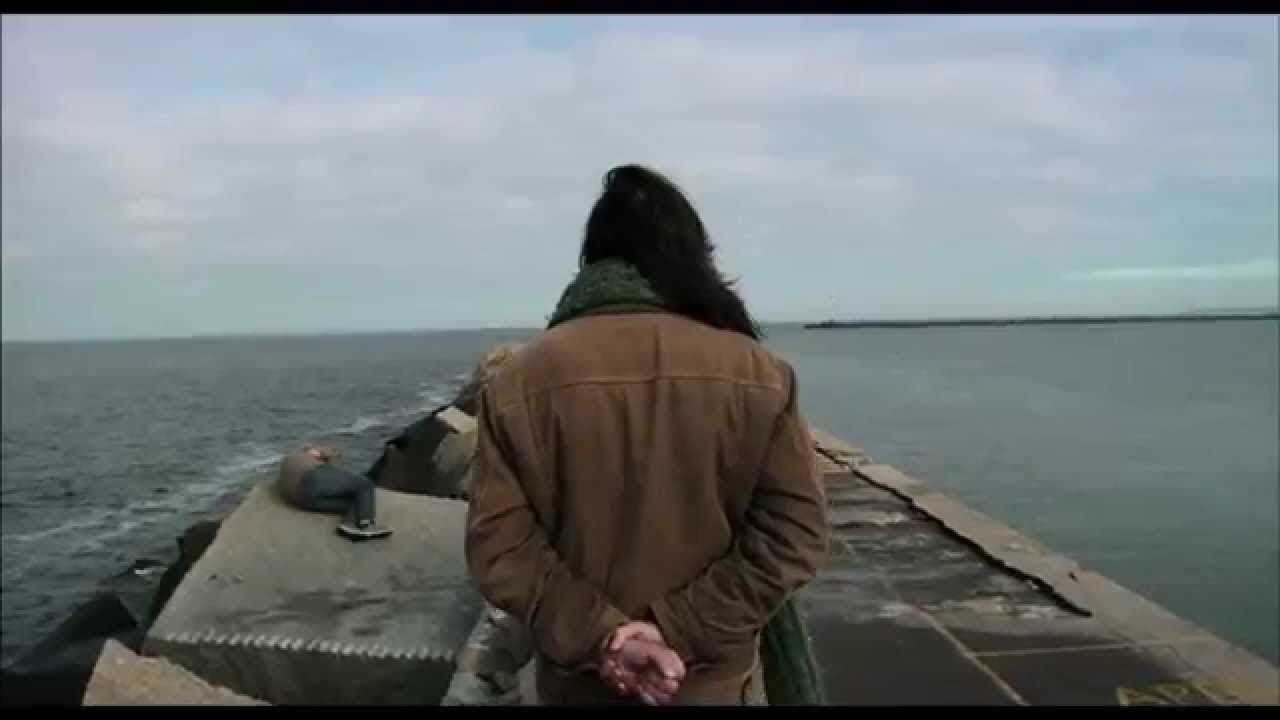
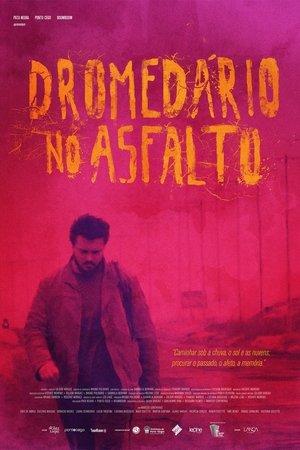


Camel on the Tarmac is made of two movements: the walking and the feeling. Walking under the sky of platinum winter; and on the asphalt. Feeling under the silence of the journey; relive the emotional memories. Peter walks and feel; walks and crosses the border between sister countries, Brazil and Uruguay. Follows in search of man who, like him, live recluse addition in their own digressions: his father.
A film about family and sacrifice... and carnivorous locusts coming after you.
A haunting look at grief, survival, and a mother’s quiet collapse in a world that never gave her room to fall.
Sorry to Bother You ultimately speaks to the unfair advantages that the country’s power structures award to those with the resources to control others, as Lift’s easy access to the media allows his opinion to be the only one that matters in the eyes of the unsuspecting and easily impressed public. Moreover, it reveals the extent to which the American Dream has any true validity. It postulates how the promise of success and fulfillment as promoted by the American Dream more often than not leads to the undoing of the individual. Interestingly, in its revealing of the American Dream as merely a facade, Sorry to Bother You wisely questions whether or not anything can really be done to undo a system that has been accepted and in action for centuries.
Steven Spielberg's West Side Story (2021) improves on the original's terrible representation, poorly written romance, and more. --> check out reviews & film summary
Vicenza, a Brazilian girl, goes on a quest by herself to find out who her birth father is by gathering clues.
Gotham City Sirens needs a female voice behind the camera. So, on the chance someone from DC films is reading this, here are ten female directors who would be good choices for Gotham City Sirens.