
The Gloriously Unapologetic Queerness of The Sandman
The Sandman features a plethora of LGBTQ+ characters and is openly expressive about it!
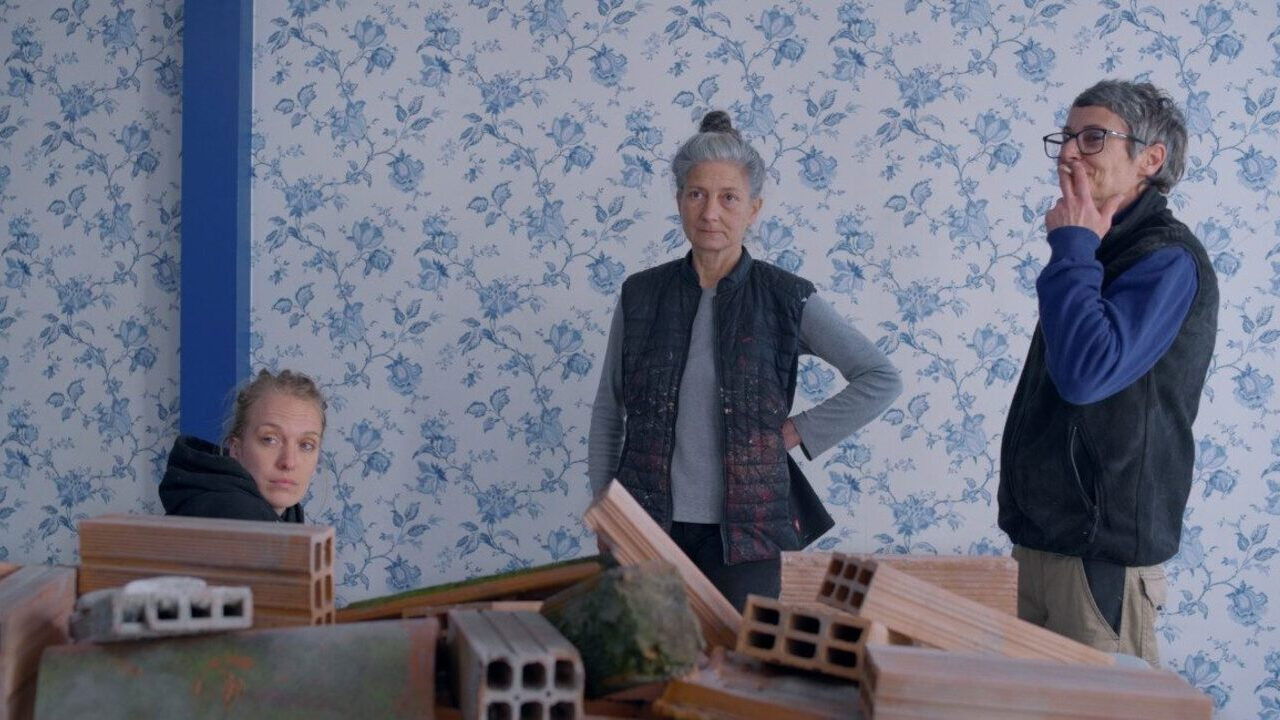
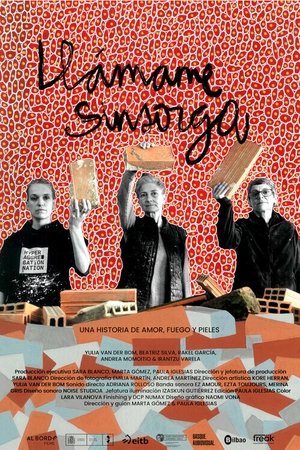


How many times have you called someone to fix a breakdown and found a woman at the door? Probably not many. Irantzu Varela and Andrea Momoitio are two trailblazing journalists who decide to transform a century-old bridal atelier into the city's first feminist cultural center: La Sinsorga. They aim to complete the renovation using only women and use the project to create a database of women in the heavily male-dominated construction sector. Five female workers are tasked with rebuilding this former symbol of romantic love. Over the course of a year, we witness the transformation unfold through a narrative where the everyday realities of construction coexist with a performative universe, revealing their fears and desires.
The Sandman features a plethora of LGBTQ+ characters and is openly expressive about it!
This emotional, frightening, and dreamlike story examines the ways actresses are exploited in the name of art.
Zombie apocalypses have been metaphors for late-stage predatory capitalism, but never a system disrupter that brings about freedom.
The plot could’ve really been interesting if the elements of lycanthropy was integrated with perhaps the struggle of identity of being LGBTQ+. It's an experience for so many that as they’re starting to realizing their true selves, they feel like a monster, especially if they come from unsupportive homes or communities. Instead, the horror and transformation elements seem thrown in without contemplation of how this could deepen the narrative.
In an all-black community in Louisiana, a young girl learns her father has committed infidelity and turns to hoodoo to seek justice.
"Warrior" is a Bruce Lee written and inspired story that follows a diverse cast of Chinese American characters and does a terrific job of setting the story in 1878 San Francisco - all without pulling their punches with the systemic racism, discrimination, and struggle for power that old and young immigrants that crossed the country at that time had to go through.