The Blues, and Two Contradictory Films That Claim It
Crossroads follows a young guitarist on a journey through the American South in search of blues history and his own voice.
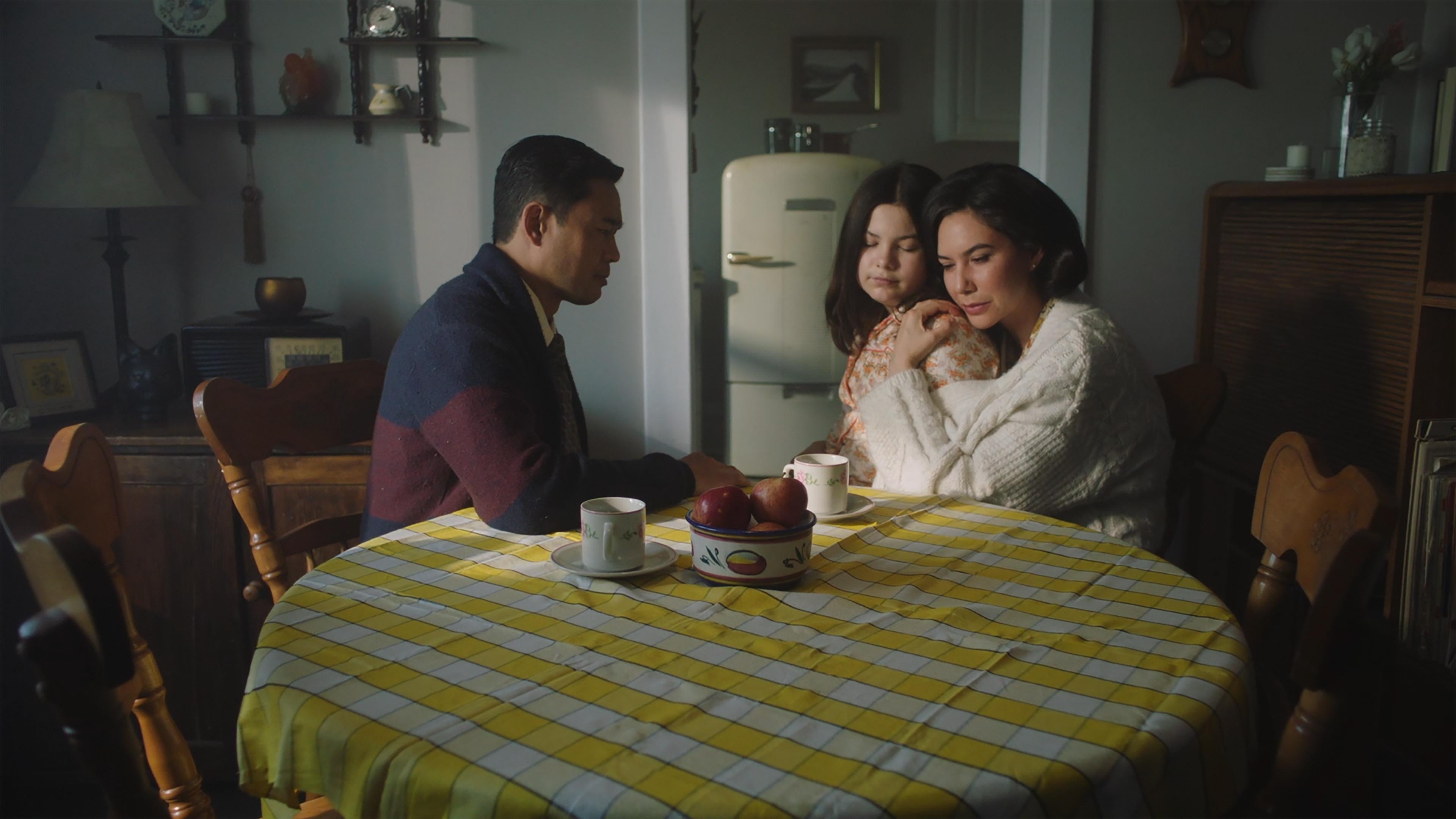



In a small Saskatchewan town in the 1960s, Yvette Wong, a young girl of Chinese and Cree heritage, struggles with her Indigenous identity amidst family tragedy in this coming-of-age film directed by Mohawk artist and filmmaker Shelley Niro. Yvette’s mother, Katherine, discourages her from embracing her Cree identity, so she explores it in secret. As she learns more about herself and her Indigenous heritage, Yvette finds a friend in Maggie Wolf, who embraces being part Mi’kmaq and encourages Yvette to be proud of being Cree. When her classmates learn about her Cree ancestry, Yvette encounters the realities of being Indigenous, facing prejudice with pride and holding fast to her dream of becoming a doctor. Café Daughter is inspired by true events and based on Kenneth T. Williams’ play of the same name.

Shelley Niro
Director

Violah Beauvais
Yvette Wong (9)

Star Slade
Yvette Wong (16)

Sera-Lys McArthur
Katherine Wong
Tom Lim
Charlie Wong
Evan Lau
Carl Wong (12)

Julian Young
Carl Wong (18)
Demaris Moon Walker
Maggie Wolf

Billy Merasty
Amos Horseknife

Blair Lamora
Doris Horseknife

Dylan Cook
Peter Horseknife

Edna Manitowabi
Kokum Mary
Crossroads follows a young guitarist on a journey through the American South in search of blues history and his own voice.
This Disney+ movie is about a 12-year-old math genius who wants to become a rapper.
Amanda Riley gets the opportunity to travel to Vietnam for the experience of a lifetime.
Disney has hopefully learned some lessons since 1994. Are those lessons reflected in the 2019 remake of "The Lion King?"
Netflix's new thriller Apex, starring Charlize Theron, puts a twist on survival horror. Despite its setting in the beautiful- yet-dangerous Australian wilderness, Apex is not a movie about man vs. nature. Instead, it’s woman vs. man. While checking out the title card and its unpretentious Netflix release might lead viewers to believe Apex is just another celebrity project churned out of the streaming machine, Apex - whether by luck or by intention - is a consistently harrowing film about the reality of being a woman in a public space.
This remake of the Disney Channel Original Movie of the same name brings a strong representative cast.