




The precarious representations in One Battle After Another
A bumpy journey about revolution and family makes us feel fear, disgust, humor, and satisfaction.
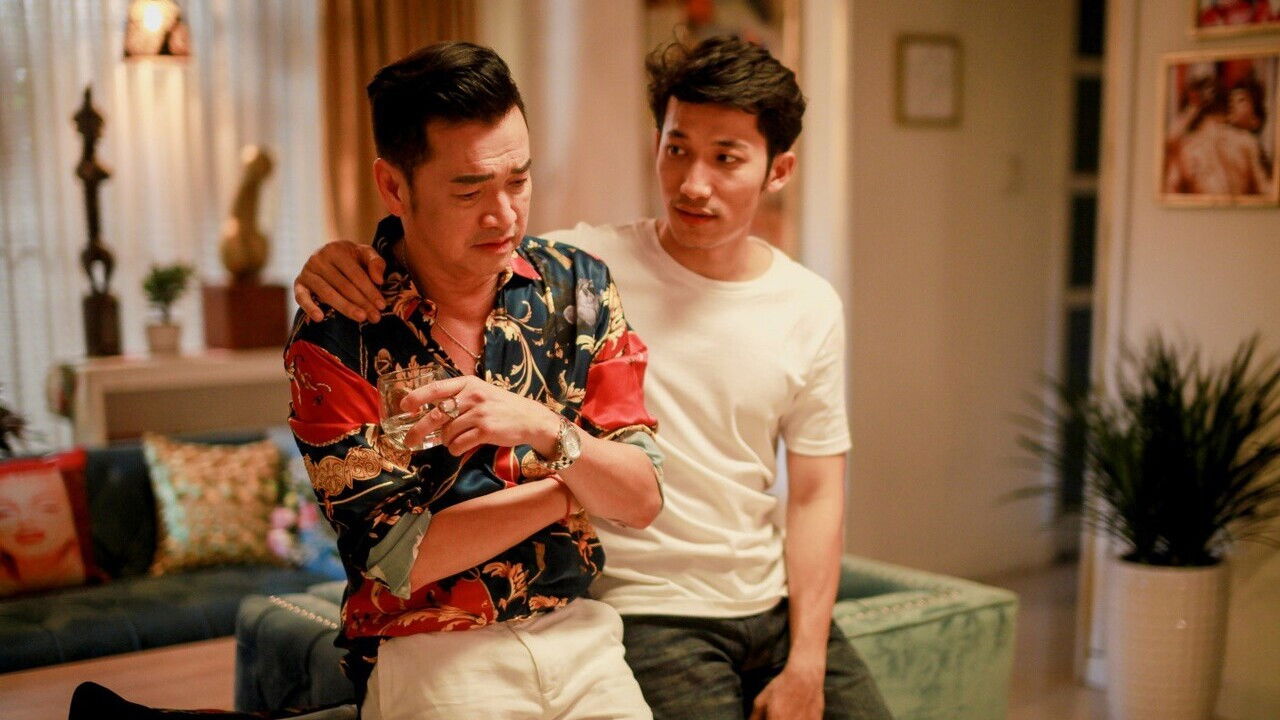



The relationship between a gay nightclub owner and his drag queen partner becomes complicated when their son becomes engaged to a girl from a conservative family.
A bumpy journey about revolution and family makes us feel fear, disgust, humor, and satisfaction.
The development of existing characters and the addition of some new ones have surely placed 'Ted Lasso' on some sort of an Incluvie A-OK list.
“And I think to myself….what a wonderful world”. Louis Armstrong sang about this notion via his classic 1967 song, an ode to witnessing elements of our life that should be but some reminders of exactly what that concluding line of each verse indicates. Now we see our contemporary realities and, just being honest, it makes a sentiment like this seem SO overtly far away….perhaps even impossible….to accept or believe could be. It sounds harsh, but again, so much of what is occurring speaks not to beauty, but bedlam.
Carolina Caroline follows Caroline (Samara Weaving), a bored young woman dreaming of escaping a small Texas town where nothing ever happens. When she meets Oliver (Kyle Gallner) at her workplace while he is conning the owner, she sees her perfect opportunity to get out. Their whirlwind romance strongly echoes Bonnie and Clyde, as the two quickly embark on a bank-robbing spree.
'Young Royals' is a great example of positive gay representation in its two main protagonists, but the supporting characters are often frustratingly selfish.
Dead Poets Society relies on patriarchal tropes such as overbearing fathers, contrived brotherhood, and faux-individuality in order to portray its straight white male characters as oppressed.