


Dead Poets Society Steals a Queer Story
Dead Poets Society relies on patriarchal tropes such as overbearing fathers, contrived brotherhood, and faux-individuality in order to portray its straight white male characters as oppressed.
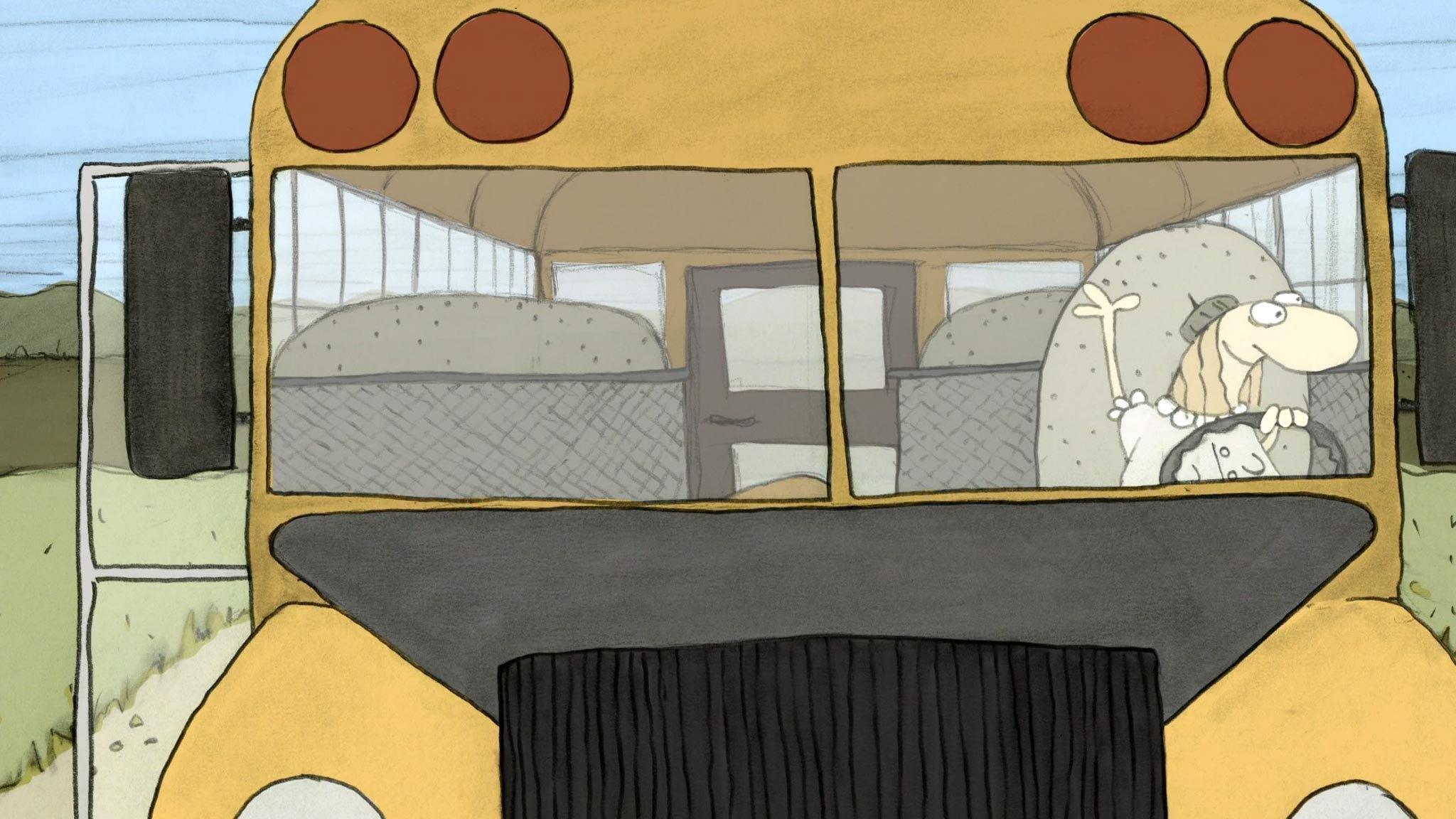
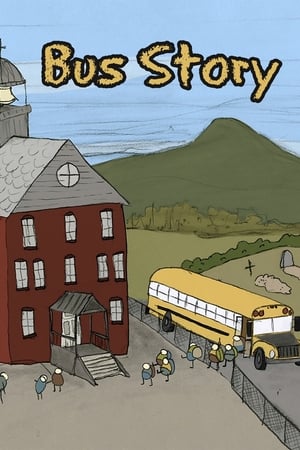


This funny short animation was written and created by Tali and is inspired by the filmmaker's misadventures as a school bus driver in the Eastern Townships. Our protagonist dreams of becoming a bus driver in order to cruise down quiet country lanes and connect with nature, her young charges and their parents. But her idyllic view of her new job is sorely tested after she meets her surly boss, named Killer, and discovers that winding roads can prove treacherous in winter, especially with a faulty clutch. Through her cheeky humour and oblique look at the reality of people living in the Quebec countryside, Tali delivers a film that is unique, witty and touching.
Dead Poets Society relies on patriarchal tropes such as overbearing fathers, contrived brotherhood, and faux-individuality in order to portray its straight white male characters as oppressed.
At first glance, Black as Night is a strange title choice for a film about vampirism in post-Katrina New Orleans. However, the title alludes to the world's anti-black and colorist messages.
Red, White and Royal Blue still does not have an official release date. However, the cast has been sharing pictures of their filming.
Ripley is a great character because she serves two distinct, but rewarding, purposes in the original film and the sequel.
Diversity is incorporated in a way that only aids in a well-rounded conveying of stories through different lenses. The show’s success is a testament to what audiences are craving: authentic stories that broaden the mind and heart.
Hanna Bergholm's 'Hatching' shows us that the modern version of the cardboard world trope is social media.