'Zom 100' Critiques Predatory Capitalism
Zombie apocalypses have been metaphors for late-stage predatory capitalism, but never a system disrupter that brings about freedom.

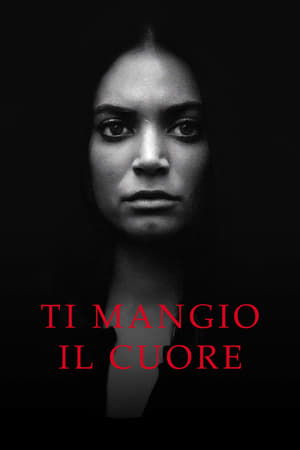


Puglia. Burnt by the sun and by hatred, the promontory of Gargano is contested by criminals who seem to come from a remote past governed by the law of the jungle. An archaic land reminiscent of the Far West, in which blood is washed away with blood. An old feud between two rival families is rekindled by a forbidden love: the one between Andrea, reluctant heir of the Malatesta, and Marilena, beautiful wife of the boss of the Camporeale clan. A fatal passion that sets the two clans at war again. But Marilena, banished by the Camporeale and prisoner of the Malatesta, disputed and abused, will oppose a fate already written with a mother’s strength.

Pippo Mezzapesa
Director


Elodie
Marilena Camporeale

Francesco Patanè
Andrea Malatesta

Francesco Di Leva
Giovannangelo

Lidia Vitale
Teresa Malatesta

Giovanni Trombetta
Paky Malatesta

Letizia Pia Cartolaro
Immacolata Malatesta

Giovanni Anzaldo
Zigo Zago

Gianni Lillo
Damiano Camporeale

Brenno Placido
Polito Montanari

Tommaso Ragno
Michele Malatesta

Michele Placido
Vincenzo Montanari
Zombie apocalypses have been metaphors for late-stage predatory capitalism, but never a system disrupter that brings about freedom.
Complex relationships between mothers and daughters are far from a new concept, whether the strain comes from abandonment, beliefs, or trauma. In My Only Wish, an Incluvie Film Festival submission, Brenda Gutierrez’s take on her character’s maternal divide comes in the form of abandonment.
We have a long way to go with LGBT representation in film, especially when it comes to LGBT characters of color and trans characters.
Avatar: The Last Airbender's success fifteen years after its premiere proves the enduring power of its storytelling. But it's more than just a quality show.
Desi Arnaz was an innovator in television and Lucille Ball was a sketch comedy clairvoyant of sorts; 'Being the Ricardos' focuses on their genius as a couple, but shies away from the interracial aspect of their marriage.