

Finding a Unique Voice In A Sea Of Opinions: Case Study of 'Euphoria'
Despite being an over-talked-about piece of media, 'Euphoria' has some interesting articles about it with personal angles that oppose the average tendency to be generic.
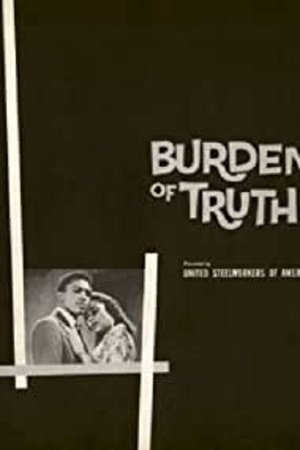


Joe and Ella Mae Hamilton, having just moved into a new neighborhood, are confronted by an angry, jeering mob of whites outside their house. Joe thinks back on his life. According to press materials, the film's story was based on an idea "expressed by [United Steelworkers of America Union, distributor of the film] President David J. McDonald in a speech on civil rights given by him" in Los Angeles in September 1956.
Despite being an over-talked-about piece of media, 'Euphoria' has some interesting articles about it with personal angles that oppose the average tendency to be generic.
Like Stars on Earth is a representative movie that talks about dyslexia to young audiences and why it is important in today's generation.
Throughout Brendan Fraser’s career, he has played a plethora of unique, layered characters who explore the importance of not being afraid to display your emotions, something that is often seen to not be a masculine trait. This idea of regulating emotion and what traits men are able to possess creates a toxic atmosphere for men who are often told they should not cry or represent their emotions in any physical way. These characters represent that men can be joyful, emotionally conscious, and sensitive, while also representing their masculine identity instead of painting those qualities as fighting against their masculinity.
Inuit girls use their Inuit tradition to hunt down alien monsters, enough said.
You'd better buckle up, pack spare underwear, & maybe lay off the drinking for a night, for a gnarly ride in New York!
Kate Winslet and Saorise Ronan deliver stellar performances in a film that doesn't live up to its potential.