



What Netflix’s 'Daredevil' Gets Right and Wrong About Blindness
The "Daredevil" renaissance is finally upon us! As we return to the Netflix show, let's take a look at the ways the show gets blindness right and wrong.
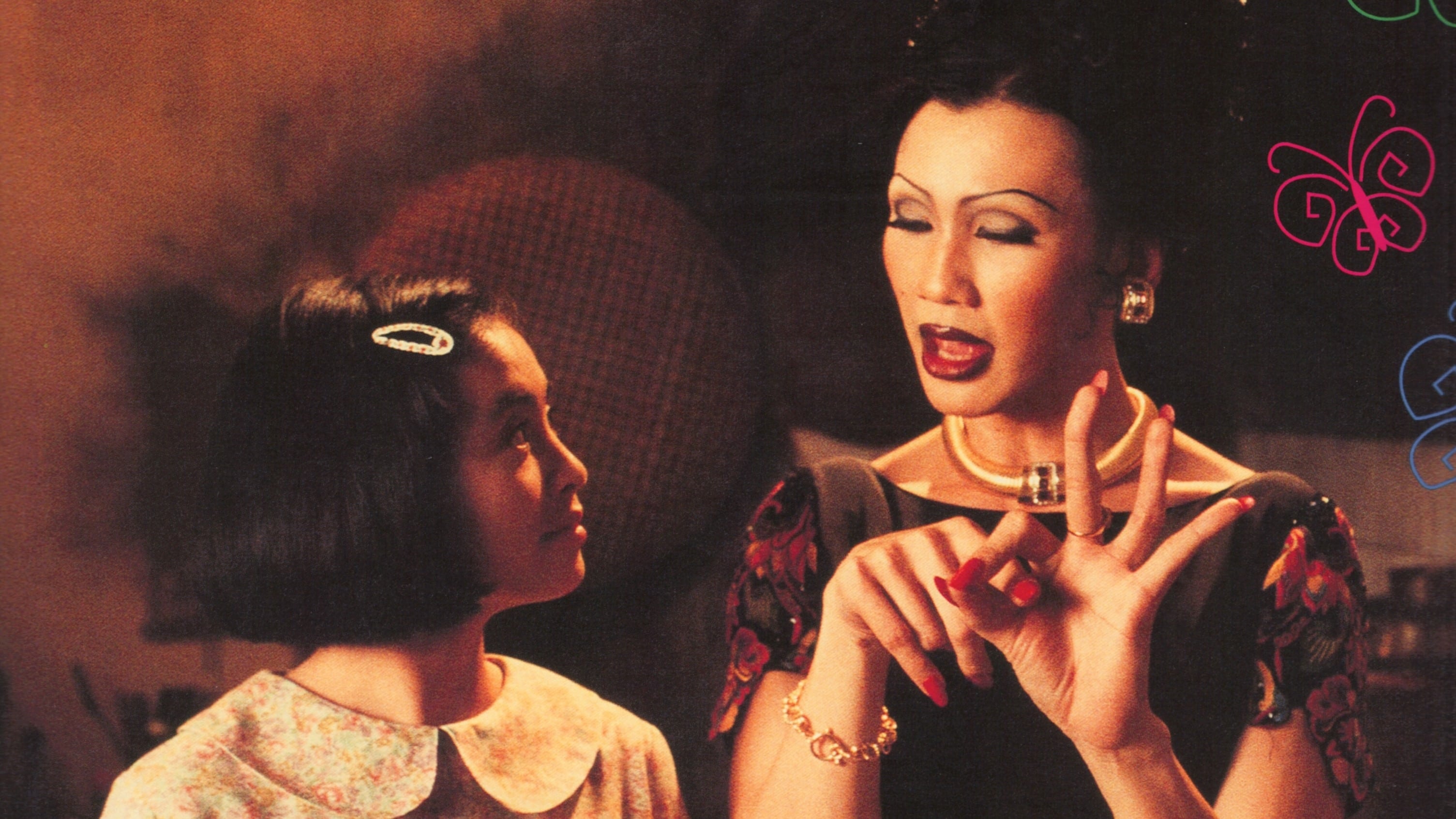



In 1960s Singapore when Bugis Street was a center of transvestite and transsexual prostitution, naïve sixteen-year-old Lian comes of age working as a receptionist for the Sin Sin Hotel, home to a gaggle of trans women whom all have stories of broken hearts and drunken sailors.
The "Daredevil" renaissance is finally upon us! As we return to the Netflix show, let's take a look at the ways the show gets blindness right and wrong.
Him is visually stunning—all concrete cathedrals and bone-rattling impact shots that look like a nightmare highlight reel. Marlon Wayans is magnetic as this legendary quarterback who's basically selling salvation with a smile that never quite reaches his eyes. But the story keeps running in circles: more tests, more cryptic pep talks, more ritualistic drills. The sports-as-religion metaphor beats you over the head when subtlety would've been more effective. The middle drags, and that finale chooses spectacle over substance. It's undeniably stylish, but left me cold. Also worth noting: despite the Monkeypaw connection, this isn't actually a Jordan Peele film—he didn't write or direct.
The story continues in 'Tall Girl 2' as Jodi finds herself playing the lead role in the school's musical production.
David Fincher is back in his playpen, with a dark and chilling thriller.
Adventure Time, Legend of Korra, Steven Universe, The Loud House, The Hollow, OK-K.O.! Let’s Be Heroes, The Dragon Prince, etc!
We sat down with Writer/Director Albert Acosta to discuss his debut short film, (ha-ha), Acosta's foray into narrative cinema, and how his personal experiences have shaped his filmmaking philosophy.