


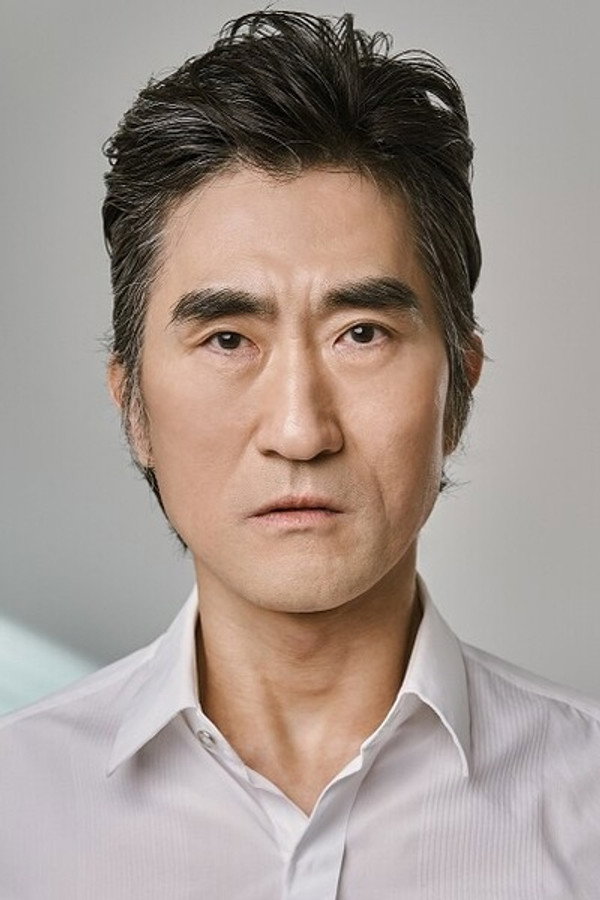


Master: The Horror of Deceptive Racial Politics in Academia
“It's not ghosts. It's not supernatural. It's... It's America. And it's everywhere.”




20-year-old Kyeong-soo is a man who's full of assumptions. He learned about sex from Internet porn, but nothing about the real thing. He's only had crushes and has never even kissed before. He got embarrassed when he confessed his feelings to Ji-yeon, his crush. He comforted himself from the shame with Japanese girls in his room with his right hand. One day, he has a fight with his father and remembers his friend Baek-hyeon had invited him over to Gangwon-do. There he falls in love with his friends' mother.
“It's not ghosts. It's not supernatural. It's... It's America. And it's everywhere.”
Han's turn to villainy in 'Frozen' was foreshadowed cleverly in the story.
Pose tells stories of queer joy and love in a time of intense hate and sadness.
At first glance, “The Good Liar” is a respectable piece of fiction, starring Ian McKellen and Helen Mirren. But underneath everything, the film expertly hones the unpredictability of deceit.
The social issues The Half of it takes on are handled well, between the antagonization brought on to Ellie for her race and the conflict that arises from her being gay. Both aspects of her character are built up over the course of the film and don’t seem abrupt or rushed. The film shows racism towards Ellie and her and father in varying levels, from having her schoolmates specifically address her as "Chinese girl” to the fore mentioned way her Dad is treated due to language barriers. The same can be said about Ellie being a lesbian. While she never truly “comes out” in the narrative, that does not undermine her journey of self-discovery from being meaningful. These ideas aren’t thrust upon the viewer in a preachy manor, the scenarios that occur feel believable given the rural setting. The film presents watchers with problems whom those like Ellie may face, and leaves us to sit with them and reflect.
'Jungle Cruise' is fun if you can ignore the racism of the ride it’s based on and the film’s bland, stereotypical characters.