




'The Resort': Five Perfect Minutes and Countless Missed Opportunities
The Resort has an excellent climax surrounded by disappointments. Somehow, at a mere 75 minutes, this movie still manages to be 70 minutes too long.
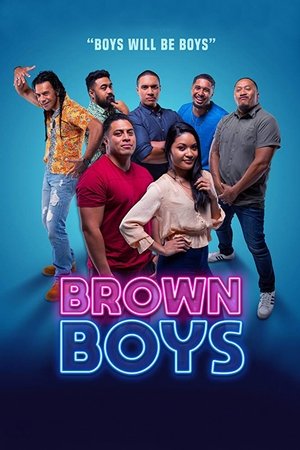


The Brown Boys spend their weekends drinking, partying and chasing girls. Peter the Player, Kiligi the Bad Influence, Magele the Tough Guy, Luka the Drunken Master, Siaki the Weird Guy and Mickey the Baby - they are family by blood and by choice. When one of the boys expresses a desire to settle down, it causes reactions among the group that could rupture their bonds of friendship and family forever.
The Resort has an excellent climax surrounded by disappointments. Somehow, at a mere 75 minutes, this movie still manages to be 70 minutes too long.
James Cameron’s “Aliens” (1986) is a pinnacle of science fiction storytelling. Within this classic monster movie lies a powerful female character, Ellen Ripley (brilliantly portrayed by Sigourney Weaver).
As a huge fan of Sean Baker’s Tangerine, The Florida Project, and Red Rocket, I’ve wanted to watch Anora since before it even was released. But life got in the way, my watchlist grew, and honestly, the fact that it was marketed as a romantic comedy put me off. Even with all the critical praise and the five Academy Awards it won last year, I just kept postponing it indefinitely.
As noted in the headline, I didn’t like this movie. Not to say it’s the worst thing ever, but it’s just…meh. Nothing much to it. Very generic. No surprises. At the very least, the cast is diverse so I’ll give it that.
The external threat invaded the domestic environment at the most valuable moment: grieving.
I came across Urchin by chance and decided to watch it because of the title. It made me think of the spiky animal that lives at the bottom of the ocean, and the old Dickensian novels, where an urchin was an orphaned, homeless child in shaggy and dirty clothes.