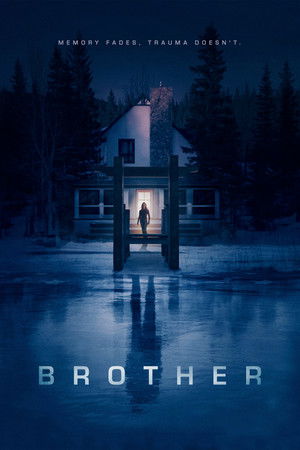
Brother (2026)
After years of burying her past, Sam is forced to return to her empty childhood home after learning of her brother Matthew’s mysterious death. Sam reunites with her supportive husband Brady, her estranged brother Nolan, and their half-sister Melody, each bringing their own baggage to a house steeped in painful memories. As they begin to unravel the truth, long-buried tensions resurface, and the past proves impossible to outrun. But something else lurks in the shadows of the remote home...a presence they can’t explain. Strange occurrences blur the line between reality and paranoia.

- / 5
PopScore
Representation
Pictures and Videos

Movie Information
After years of burying her past, Sam is forced to return to her empty childhood home after learning of her brother Matthew’s mysterious death. Sam reunites with her supportive husband Brady, her estranged brother Nolan, and their half-sister Melody, each bringing their own baggage to a house steeped in painful memories. As they begin to unravel the truth, long-buried tensions resurface, and the past proves impossible to outrun. But something else lurks in the shadows of the remote home...a presence they can’t explain. Strange occurrences blur the line between reality and paranoia.
Rating:PG-13
Genre:Thriller, Drama, Horror
Written By:Rebecca Roberts
In Theaters:1/19/2026
Box Office:
Runtime:92 minutes
Studio:ReadyMade Productions Inc.







Articles You May Like
The Wonder Years (2021 TV series)
This reboot of The Wonder Years is told from the lens of a Black man.
The Rise of a Kindhearted Comedy Hero: The Anti-Toxic Masculinity Message of Brendan Fraser Films
Throughout Brendan Fraser’s career, he has played a plethora of unique, layered characters who explore the importance of not being afraid to display your emotions, something that is often seen to not be a masculine trait. This idea of regulating emotion and what traits men are able to possess creates a toxic atmosphere for men who are often told they should not cry or represent their emotions in any physical way. These characters represent that men can be joyful, emotionally conscious, and sensitive, while also representing their masculine identity instead of painting those qualities as fighting against their masculinity.
'Godzilla vs. Kong' Review: Yes, I'm Still Team Kong
‘The World to Come’ Movie Review: A Stunning Period Romance
Mona Fastvold’s nineteenth century lesbian romance is emotionally charged, restrained, and poetic without feeling forced.
Paris is Burning: 30 Years Later
Paris is Burning elevated drag and ballroom into the public consciousness and permanently impacted LGBT culture. However, the performers featured in the documentary didn't reap the rewards of their visibility.