




Dead Poets Society Steals a Queer Story
Dead Poets Society relies on patriarchal tropes such as overbearing fathers, contrived brotherhood, and faux-individuality in order to portray its straight white male characters as oppressed.
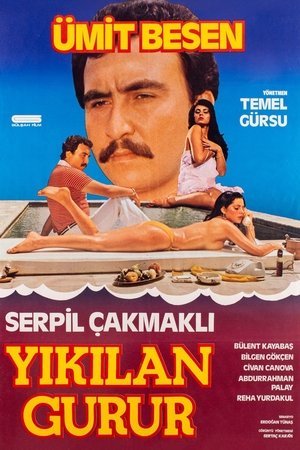


The story of a singer who wants to avenge his wife, whom he had to marry because of slander.
Dead Poets Society relies on patriarchal tropes such as overbearing fathers, contrived brotherhood, and faux-individuality in order to portray its straight white male characters as oppressed.
The Roses is a wickedly sharp marital warfare comedy that transforms domestic dysfunction into high art. Olivia Colman and Benedict Cumberbatch deliver powerhouse performances as a couple whose fairy-tale romance implodes when his architectural career collapses just as her culinary empire takes off. What makes Jay Roach's remake so devastatingly effective is its refusal to pick sides—both spouses are equally sympathetic and monstrous, wielding Tony McNamara's razor-sharp dialogue like weapons forged from shared intimacies. It's a film that dares you to laugh at relationship wreckage while forcing you to confront the uncomfortable truth that the line between passionate love and mutual destruction is terrifyingly thin.
Netflix’s Shadow and Bone has a complicated relationship with race. It has a diverse cast, but not without its problems. Based on Leigh Bardugo’s two book series, the show features characters from the Shadow and Bone trilogy, which is very straight and white, and the Six of Crows duology, which is much more diverse. When bringing together a cast and writing about these characters, the team behind the show expanded upon some of the representation missing from the first trilogy, then seemed to take away representation from the duology. Shadow and Bone seems to play a bit of a push and pull game when it comes to portraying diversity onscreen.
People are so much deeper and far more extraordinary than what gender they were assigned at birth.
Two Summers ago, on May 27th, 2022, the theatrical cinematic realms were re-awakened from their post-COVID dormant state of being by a little film titled "Top Gun: Maverick". It re-introduced us to the absolute elation of seeing not only a highly anticipated (and, granted, 36 years in the making!) sequel, but the return of the quintessential Summer blockbuster to witness on the BIG screen again.
Attack of the Killer Tomatoes: Organic Intelligence is not merely the fourth sequel in a cult classic film about a delicious vegetable apocalypse: it’s a love letter to slapstick, sight gags, and the original 1978 film. It’s also a meta-comedy, spy-thriller parody taking place in a world where the original film series was a documentary about the horrors of the Tomato War that the government covered up by convincing everyone it was a comedy. Taking place in 2026, Organic Intelligence sees genetically modified tomatoes grown out of control and rising up to attack humanity again - luckily, Agent Maria Sifuentes (Myrna Velasco) of the Federal Vegetable Investigation Bureau is there to uncover the corporate conspiracy behind it, and she won’t take no for an answer.