Broken Bubbles (1920)
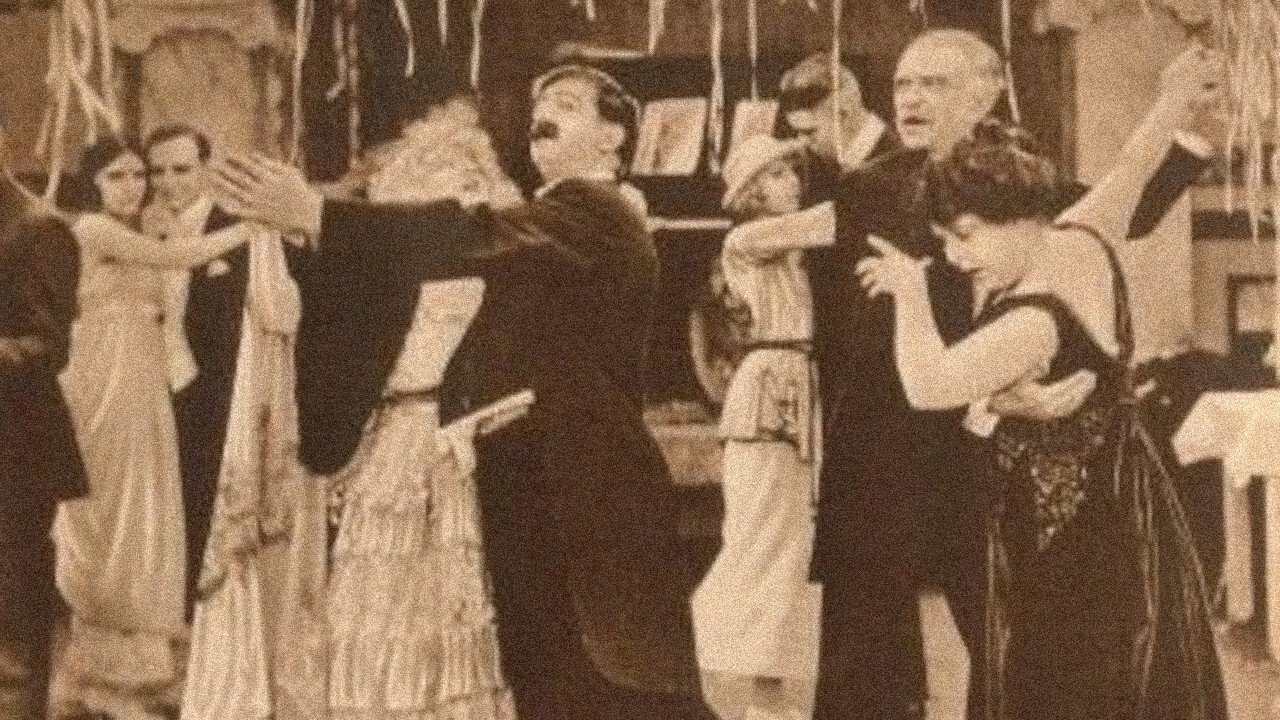
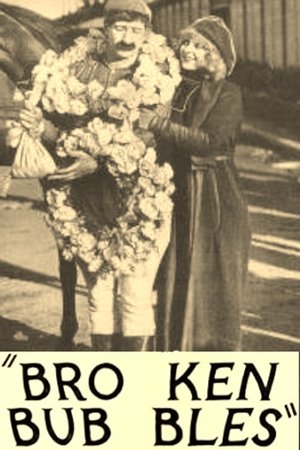
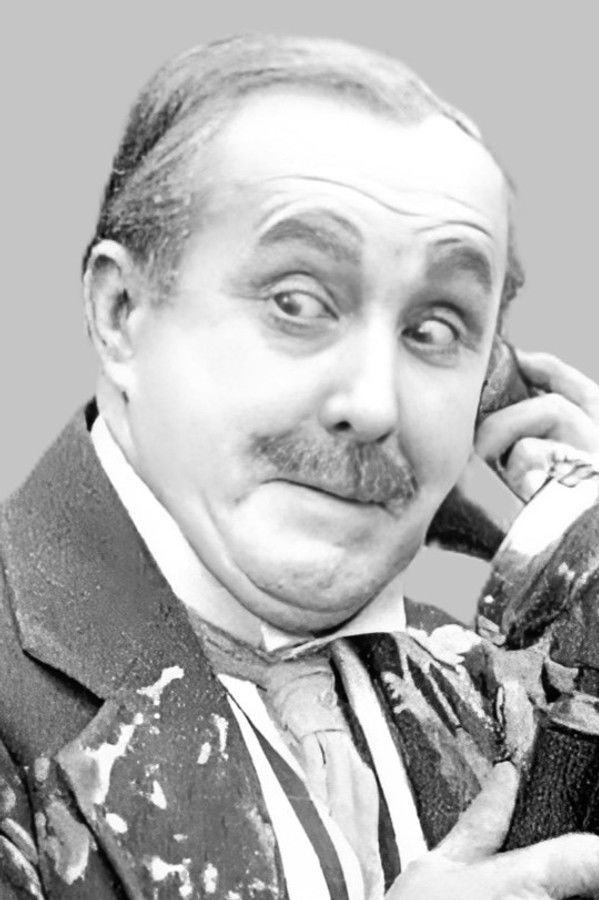
A poor chap, with only fifty cents, hesitates whether to buy a meal with it or visit a fortune teller. He chooses the latter, and gazing into a crystal globe, he is told to follow the horses. He is then shown working around a racing stable, and, of course, rides the heroine's horse to victory. That night they decide to celebrate in a cabaret, where several amusing complications ensue.

- / 5
PopScore
Representation
Pictures and Videos

Movie Information
A poor chap, with only fifty cents, hesitates whether to buy a meal with it or visit a fortune teller. He chooses the latter, and gazing into a crystal globe, he is told to follow the horses. He is then shown working around a racing stable, and, of course, rides the heroine's horse to victory. That night they decide to celebrate in a cabaret, where several amusing complications ensue.
Rating:NR
Genre:Comedy
Written By:
In Theaters:3/1/1920
Box Office:
Runtime:20 minutes
Studio:Hank Mann Comedies



Articles You May Like
How 'Wadjda' Brings Girl Empowerment to Saudi Girls, and Girls all Around the World
In Saudi Arabia, a little girl (Wadjda) is told she can't have a bike because she's a girl. Wadjda struggles to obtain a bicycle to race her friend, Abdullah, due to the gender inequality and cultural norms of Saudi Arabia.
For Rowena, Today Is 'Christmas Again?!'
For a young girl who wishes to keep her current traditions, this holiday will end up with a surprise twist.
Samantha Mitchell’s “RSVP” Incluvie Film Fest Review
“There’s always something you can do…to make people feel like they’re welcome”
‘Kathak: Dancing With Taboos’ Film Festival Review: A Story of Passion and Perseverance
Eloquent and informative, Hajera Sheikh’s documentary Kathak: Dancing With Taboos tells a story of love for one’s culture and perseverance through adversity.
Money and Love in the New Season of Beef (2026)
Despite its aggressiveness, the Beef anthology series is about romantic love in all its forms. The final scene of the first season led us to believe that, despite the conflict, drama, and toxic traits, the main characters would end up together and, most likely, live happily ever after. The whole “beef” plot was the prelude to their love story.