



Incluvie – Better diversity in movies.
Identity in film with Incluvie stamps, scores, reviews.

Incluvie – Better diversity in movies.
Explore identity in film with Incluvie stamps, scores, reviews, and insights.

Brief Illness poster

Brief Illness 

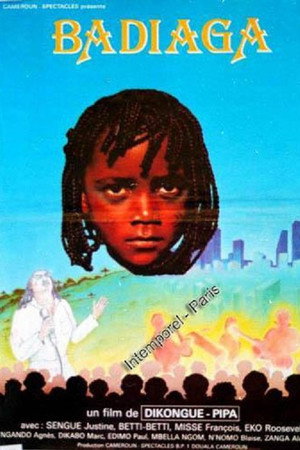
Badiaga follows the rules of a classical tragedy. A three year old girl abandoned in a food market is sheltered and raised by a deaf and dumb vagrant. They develop a very strong bond. Badiaga dreams of becoming a famous singer and listens in total fascination to the artists who sing in the different cafés where she wanders. One day she has the chance of singing on the radio a song which becomes a national hit. From that moment onwards she holds a nonstop succession of concerts. In love with her career, she refuses any romantic relations and searches desperately for her origins. This story was inspired by the life of Beti-Beti, a legendary Cameroon singer.
- / 5
PopScore
Representation

Pictures and Videos


Incluvie Gala

Movie Information


Badiaga follows the rules of a classical tragedy. A three year old girl abandoned in a food market is sheltered and raised by a deaf and dumb vagrant. They develop a very strong bond. Badiaga dreams of becoming a famous singer and listens in total fascination to the artists who sing in the different cafés where she wanders. One day she has the chance of singing on the radio a song which becomes a national hit. From that moment onwards she holds a nonstop succession of concerts. In love with her career, she refuses any romantic relations and searches desperately for her origins. This story was inspired by the life of Beti-Beti, a legendary Cameroon singer.

Rating:
Genre:Drama
Written By:
In Theaters:
Box Office:

Runtime:118 minutes
Studio:

Articles You May Like


The Rise of a Kindhearted Comedy Hero: The Anti-Toxic Masculinity Message of Brendan Fraser Films

Throughout Brendan Fraser’s career, he has played a plethora of unique, layered characters who explore the importance of not being afraid to display your emotions, something that is often seen to not be a masculine trait. This idea of regulating emotion and what traits men are able to possess creates a toxic atmosphere for men who are often told they should not cry or represent their emotions in any physical way. These characters represent that men can be joyful, emotionally conscious, and sensitive, while also representing their masculine identity instead of painting those qualities as fighting against their masculinity.

Amanda Mazzillo