
Bravo Virtuoso
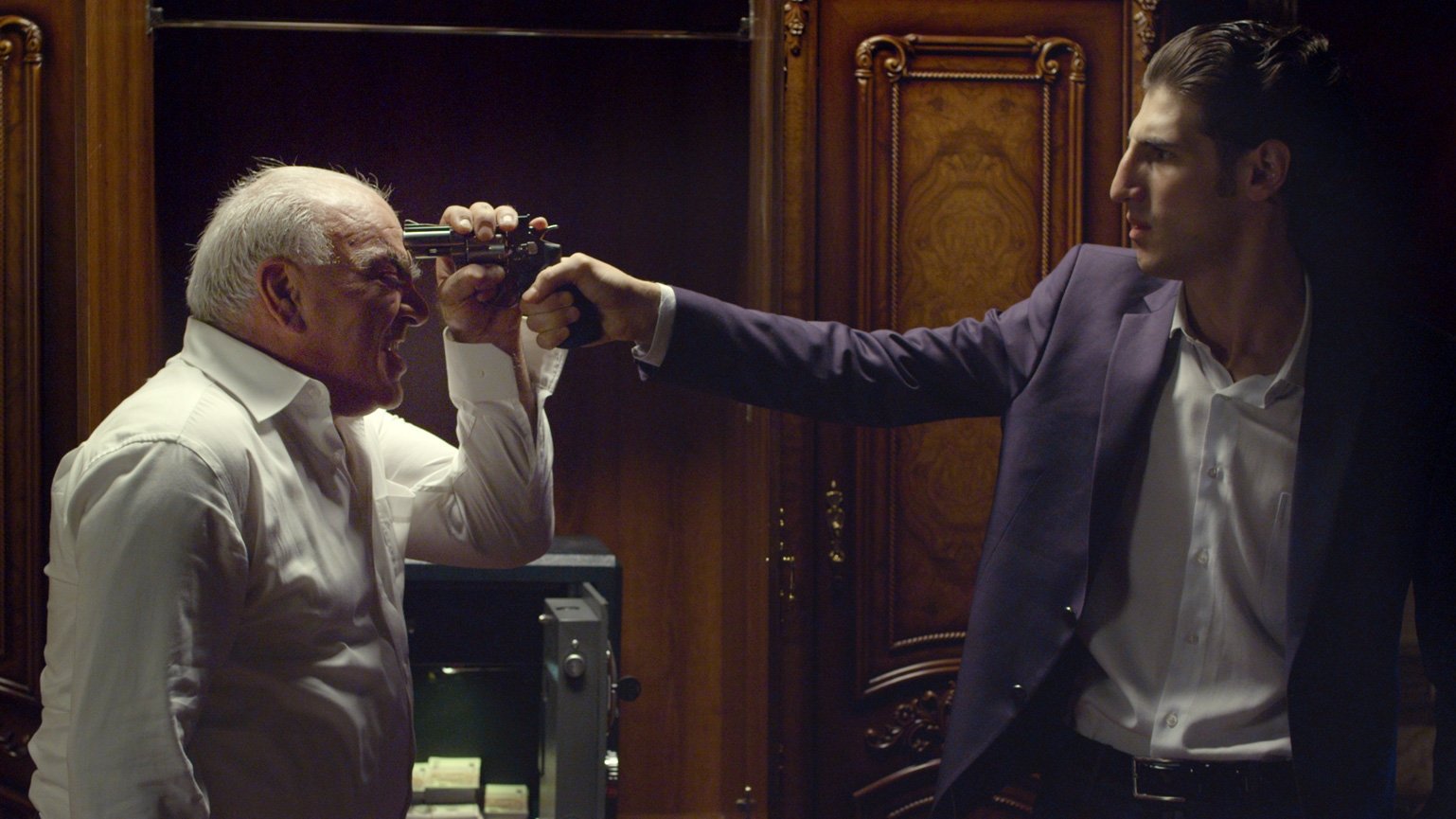
Alik, 25, has been raised by his grandfather, conductor of a renowned classical orchestra in post-Soviet Armenia where cultural institutions are failing and oligarchs allied with the mafia hold power. Alik, a clarinetist, is the virtuoso in this orchestra whose existence is seriously threatened when its key sponsor is murdered. One night, Alik comes into possession of a hired killer's mysterious telephone, which is used only to commission hits. Manipulated by a crook's daughter with whom he falls hopelessly in love and wishing to save the orchestra at all costs, Alik decides to take on the identity of the killer known as "The Virtuoso" and attempt to carry out his contracts. But Alik is a virtuoso musician, not a killer.

- / 5
PopScore
Representation
Pictures and Videos

Movie Information
Alik, 25, has been raised by his grandfather, conductor of a renowned classical orchestra in post-Soviet Armenia where cultural institutions are failing and oligarchs allied with the mafia hold power. Alik, a clarinetist, is the virtuoso in this orchestra whose existence is seriously threatened when its key sponsor is murdered. One night, Alik comes into possession of a hired killer's mysterious telephone, which is used only to commission hits. Manipulated by a crook's daughter with whom he falls hopelessly in love and wishing to save the orchestra at all costs, Alik decides to take on the identity of the killer known as "The Virtuoso" and attempt to carry out his contracts. But Alik is a virtuoso musician, not a killer.
Rating:
Genre:Crime, Comedy
Written By:Levon Minasian
In Theaters:
Box Office:
Runtime:102 minutes
Studio:Seppia, Agat Films & Cie / Ex Nihilo







Articles You May Like
'Doctor Strange in the Multiverse of Madness': MCU Character Highlights and Easter Eggs
America is the crux of the storyline: she is the only person in existence with the power to jump between universes. As central as America is to the Multiverse of Madness story, she somehow didn’t get that much to do.
Just Mercy: An Admirable Picture
In all actuality, “Just Mercy” should be labeled a “wall punching narrative.” Constantly, the flick throws high forms of adversity our way, amping up our most inner levels of discomfort. Filmmaker Destin Daniel Cretton wonderfully paces the film in such a way that replicates the slow-burn nature of justice.
Pixar’s Objectification Obsession in “Inner Workings” and Beyond
Like all modern societal phenomenons, it started with a meme. This one highlighted that when there’s a mom in a Pixar film, she is almost without fail given striking curves that highlight the bottom half of her body following a minuscule waist. From Elastigirl to the skeletal Mama Imelda, the animation giant’s artists seem to have a fixation on making exaggeratedly curvy maternal characters.
'Fair Play'(2023) and Feminine Rage
This thrilling film about feminine rage and male hostility is an incredible depiction of the fragility of the male ego.
Martin Scorsese's 'Kundun' is a Must Watch for Dharma Day
Director Martin Scorsese broadens his boundaries from mafia-driven movies, to a Buddhist biopic of the 14th Dalai Lama. While Buddhism strives for peace, ‘Kundun’ reveals the violence inflicted on Tibetan Buddhists and Scorsese’s depiction of violence does not stray away.