











Once Upon a Time in (White) Hollywood
Tarantino's alternative history of the 1960's uncritically repeats the era's sexist and racist stereotypes.
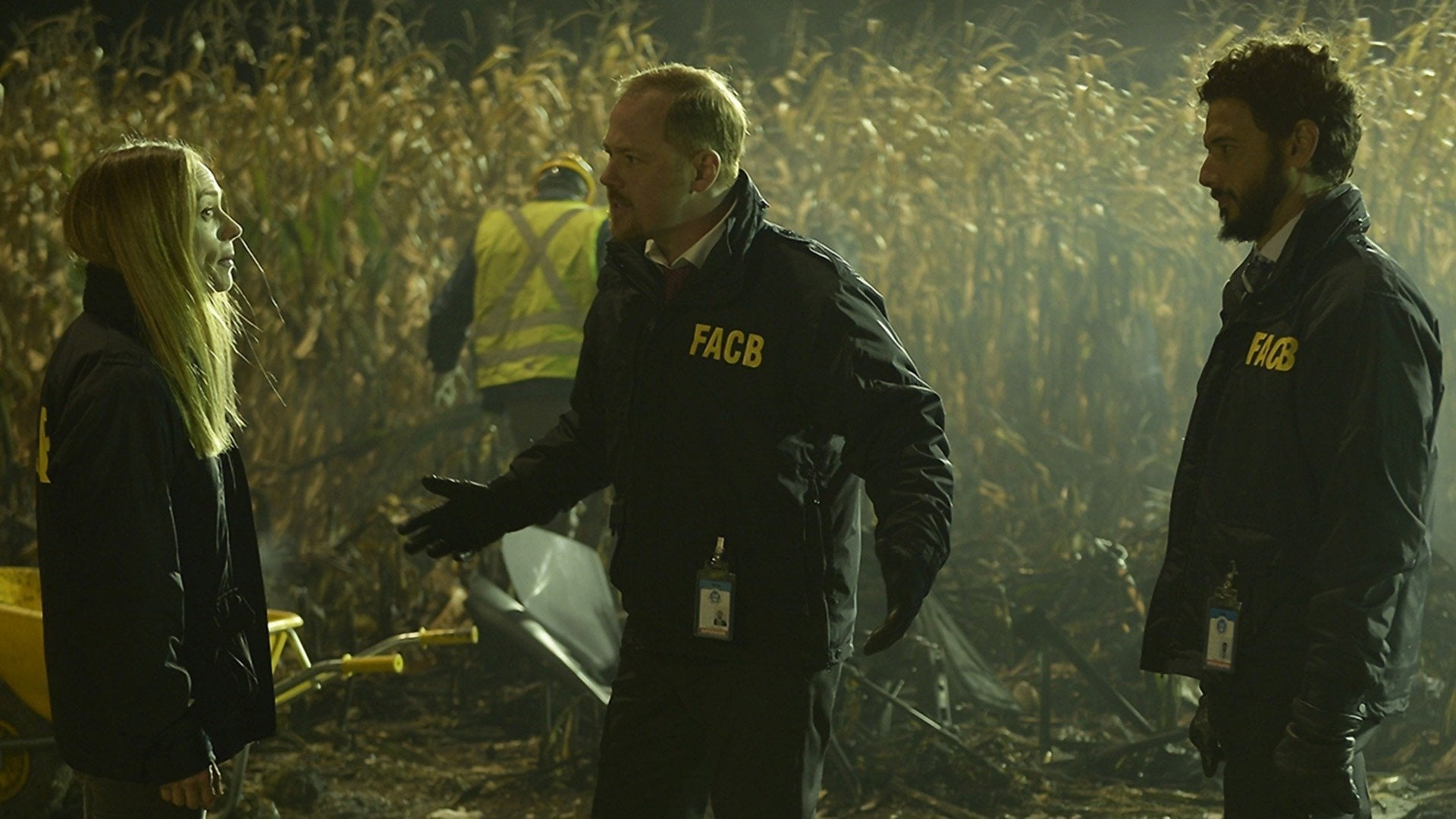



When disgraced Flight Crash Investigator Sofia Gilchrist's brother dies in the crash of a plane she was supposed to be on, Sofia breaks protocol and secretly begins investigating the crash.
Tarantino's alternative history of the 1960's uncritically repeats the era's sexist and racist stereotypes.
Given Hollywood's history of racism and financial motivations, how much progress can we expect? Plus: a list of excellent films by Black directors.
"The Old Guard" doesn't break ground, but it sure does bust boredom and fictional heads as an entertaining action romp on Netflix.
In Spike Lee’s She’s Gotta Have It (1986), we follow the love life of powerful female protagonist Nola Darling (Tracy Camilla Johns) and explore the relationship dynamics she has with her partners. She sees three men simultaneously: Greer Childs, (John Canada Terrell) Mars Blackmon (Spike Lee), and Jamie Overstreet (Tommy Redmond Hicks). Though an 80’s film, She’s Gotta Have It is surprisingly progressive with its themes of female sexuality, although at some points in the film it is handled clumsily. Overall Nola is an incredibly compelling character especially for modern women, as we as a society acknowledge female sensuality more and more without the negative stigma.
There is a lot of controversy around Q-force. It’s certainly not hard to see why—the series is quite hyperbolic. I will say, that was the first aspect I noticed on my initial watch. Right from the get-go Q-Force barrages you with gay joke after gay joke. This is hit or miss throughout the series.