



'How Power Looks' — MiamisFF Review
Praising Black representation and condemning the power structures that suppress it, a mother delivers an impassioned speech to her distant son.
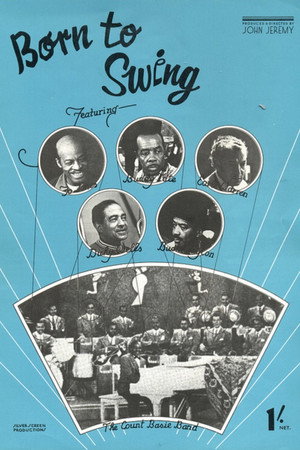


“A tribute to the Swing Era evoked by skillful intercutting of rare material examining the varying fortunes of five ex-Basie sidemen. It looks at the years between 1930 and 1945 when Swing was in its heyday. Features a large number of artists including: the Count Basie Band, Buddy Tate, Earle Warren, Buck Clayton and Gene Krupa.” - BFI
Praising Black representation and condemning the power structures that suppress it, a mother delivers an impassioned speech to her distant son.
"Idina Menzel: Which Way to the Stage?" shows viewers how the star became who she is today.
It’s easy to dismiss Joel and Ethan Coen for writing from the world they build from outside the box of overarching Hollywood stereotypes, but their inability to compromise their collective vision is precisely what makes the simplistic nature of their world-building and characters so brilliant. It’s also what led Fargo to collect seven Oscar nominations and two wins for Best Original Screenplay and Best Actress for Frances McDormand’s brilliant portrayal of the sincere, motherly detective whose wholesome demeanor seizes the day over the selfishness, corruption and evil of the men who don’t comprehend that there’s more to life than a little money.
This is ambitious horror filmmaking, and in a lot of ways, I fully admire its ambitions. For me, the film’s sloppiness defines its overall quality.
The more biting satire is reserved for those on top of the power structure, such as the police, while those occupying lower levels are given more nuance and likability, even if they operate on the wrong side of the law. This principle gives Deep Cover its heart.
Mirrorball is full of passion and love for the medium of cinema and is indeed a fitting love letter to La La Land.