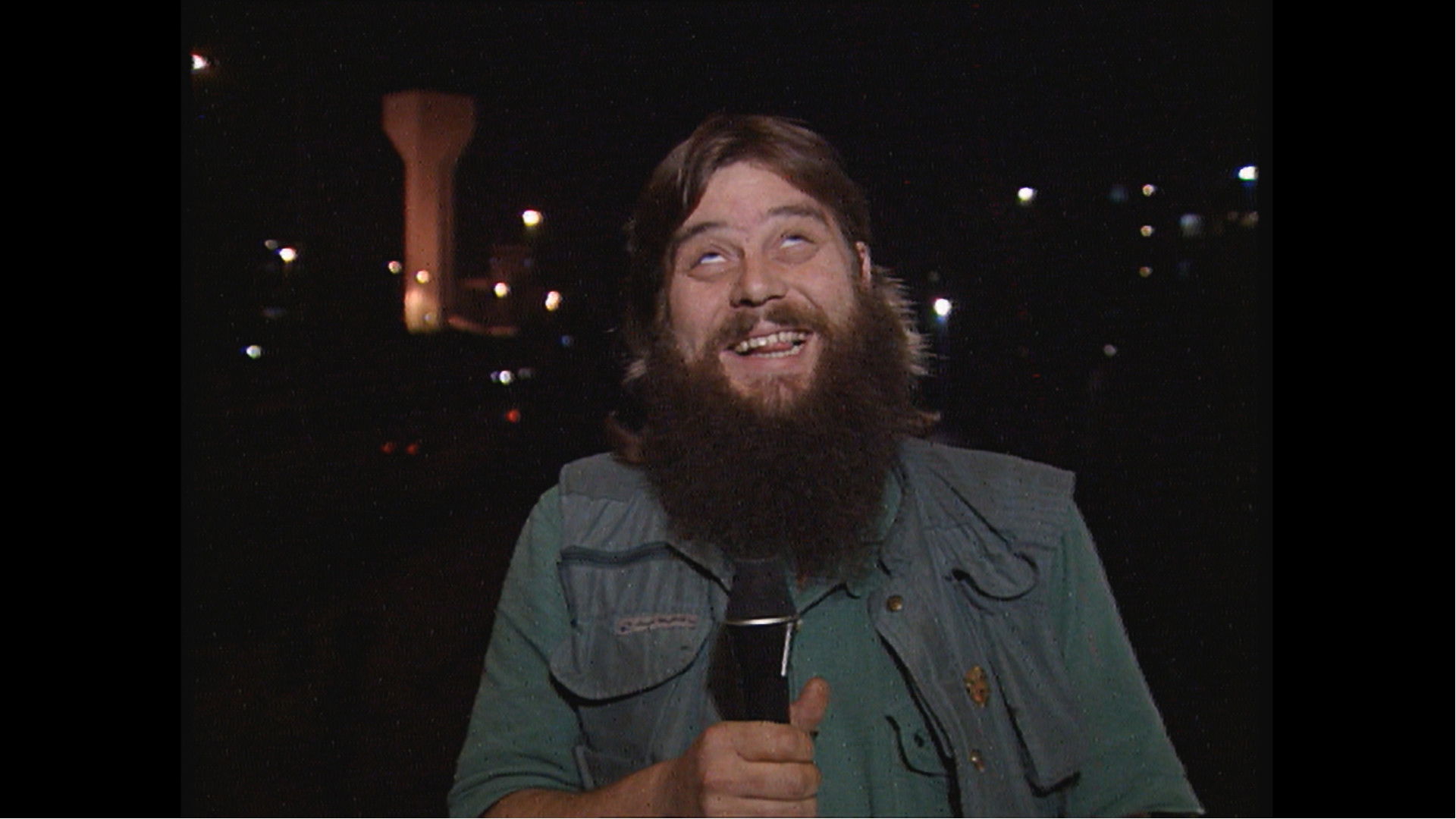

Born to Fake
In 1996, one of the biggest media scandals in German history shook the public: Michael Born, a self-made journalist, had faked over twenty reports for the newly established private television station between 1990 and 1996. Some seemed amateurish, others dealt with absurd topics: child labor for IKEA in India, drug addicts licking toads to get high, and the Ku Klux Klan in the Eifel region were just some of his numerous fabrications. How did it come to this? Was Michael Born an enlightened figure who subversively exposed the tabloid system, a victim of the system, or simply a bumbling fraud? Film traces Michael Born's footsteps. Put together from hundreds of hours of raw material and the memories of former companions, an incredible story of forgery emerges. A media-theoretical film about levels of reality, fake news, and the question: Why do we actually believe what we see?

- / 5
PopScore
Representation
Pictures and Videos

Movie Information
In 1996, one of the biggest media scandals in German history shook the public: Michael Born, a self-made journalist, had faked over twenty reports for the newly established private television station between 1990 and 1996. Some seemed amateurish, others dealt with absurd topics: child labor for IKEA in India, drug addicts licking toads to get high, and the Ku Klux Klan in the Eifel region were just some of his numerous fabrications. How did it come to this? Was Michael Born an enlightened figure who subversively exposed the tabloid system, a victim of the system, or simply a bumbling fraud? Film traces Michael Born's footsteps. Put together from hundreds of hours of raw material and the memories of former companions, an incredible story of forgery emerges. A media-theoretical film about levels of reality, fake news, and the question: Why do we actually believe what we see?
Rating:
Genre:Documentary
Written By:
In Theaters:
Box Office:
Runtime:92 minutes
Studio:MSZ Production and Consulting, SWR

Articles You May Like
The Secret Diary of an Exchange Student
This coming-of-age movie discusses immigration issues in the United States through the eyes of two exchange students in Brazil.
Outer Banks Ignores Its Racial Context
Outer Banks (2020-) knows its audience: young adults in a country that can’t stop romanticizing good ole’ treasure hunts. Add a little of Riverdale’s (2017-) sex appeal, and no one can look away. Forty years after The Goonies (1985) America’s consciousness hasn’t strayed from the same tropes: treasure hunts, a vulnerable white male lead, and the whitewashing of a racially segregated setting.
“Sweeney Todd”: Demons and Hair Cuts
As a musical fan, I enjoyed the film and encourage anyone who likes dark humour and a bit of blood to give it a watch.
‘A Million Little Things’: The Best New Characters of Season 4
Diversity is incorporated in a way that only aids in a well-rounded conveying of stories through different lenses. The show’s success is a testament to what audiences are craving: authentic stories that broaden the mind and heart.
What’s Missing in the Lilo & Stitch Posters? A Face and a Deeper Concern
Where is Lilo's face? Disney marketing sends a chilling signal: that even in 2025, an alien is more palatable and marketable than a brown girl.