







Guillermo del Toro's Pinocchio
During the rise of fascism in Mussolini's Italy, a wooden boy brought magically to life struggles to live up to his father's expectations.
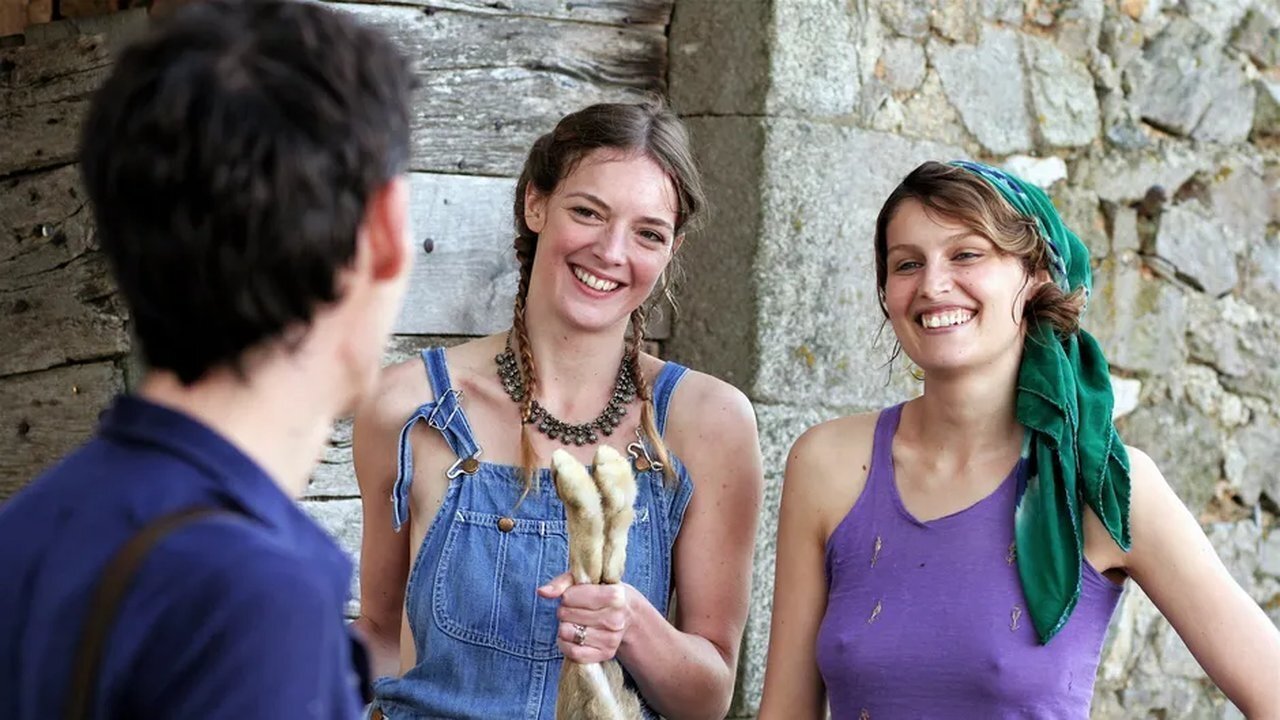
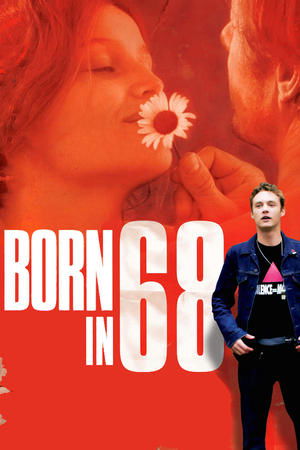


1968. Catherine, Yves and Hervé are twenty years old. They're students in Paris and they love each other. The May student uprisings radically change their lives. Overtaken by communal utopia, they leave the city with a few friends to set up house in an abandoned farm in the Lot region. A desire for freedom and the search for individual fulfillment lead them to make choices that cause them to separate.
During the rise of fascism in Mussolini's Italy, a wooden boy brought magically to life struggles to live up to his father's expectations.
The film does not add anything to its own conversation or genre, and falls flat once it’s about to end and must declare some sort of conclusion.
The "Daredevil" renaissance is finally upon us! As we return to the Netflix show, let's take a look at the ways the show gets blindness right and wrong.
With The Father, writer-director Florian Zeller- who wrote and developed the play upon which the film is based- pulls no punches as he confidently makes every effort to put the audience in the mind of someone whose grip on reality has all but vanished. It’s a dazzling testament to Zeller’s abilities as a director as he makes his first transition from stage to film appear as if he’s been working behind a camera his entire career. The dialogue he fashions with co-writer Christopher Hampton, along with the work of production designers Peter Francis and Cathy Featherstone, collectively makes the downward spiral of dementia startlingly tangible, doing so in a way that can be comprehended by everyone except the person it directly affects.
We got a movie that takes the old school approach of trying to creep you out with chilling atmosphere more than anything else.
Can a homeless yet optimistic teenage girl learn to accept a helping hand?