

Avatar: The Last Airbender Both Protests and Embodies Colonialism
Avatar: The Last Airbender's success fifteen years after its premiere proves the enduring power of its storytelling. But it's more than just a quality show.
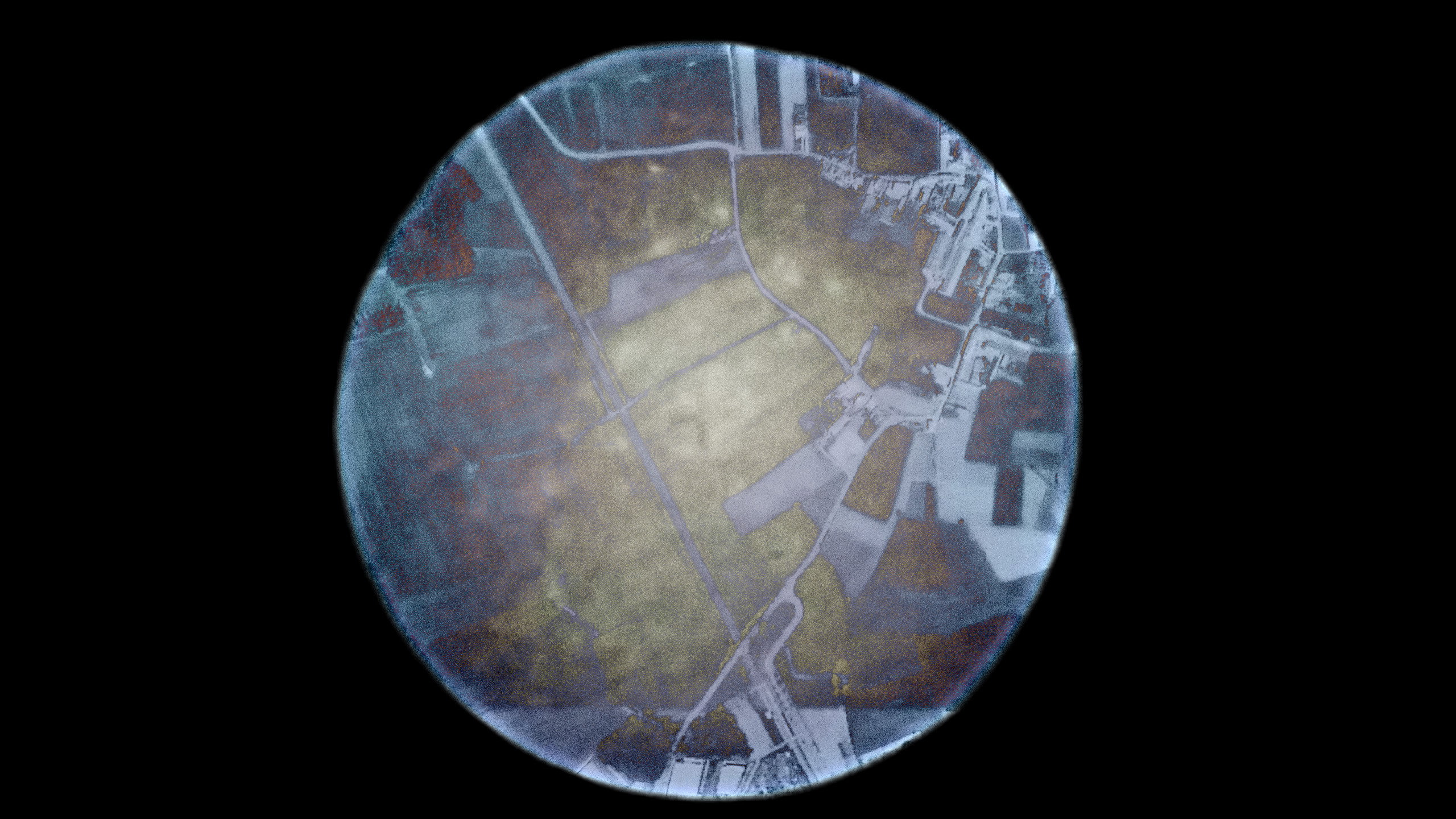



I begin by looking closely. I tread on the earth, which, divided by lines, seems endless. In the beginning, there was the seed. Hidden underground, it is condemned to a fleeting existence, with no possibility of renewal. Monocultures have homogenised the landscape to such an extent that I can no longer see what lies beyond, beyond the fields. I imitate the machines that work at night, reversing the natural cycle of plants, which depend on sunlight. Sometimes I challenge myself to enter their labyrinth, hoping to find the end of the field. I repeat these visits until exhaustion, until the sterile fruit is ready to be harvested.
Avatar: The Last Airbender's success fifteen years after its premiere proves the enduring power of its storytelling. But it's more than just a quality show.
A consumed-by-rage woman travels from universe to universe to avenge the death of her daughter by brutally killing her murderer over and over again. And that's all that she does.
An analysis on how the Garfield movie fails to represent the characters it is adapting, especially the women, by removing their best characteristics.
She is being made to justify why she doesn’t believe he’s a feminist, instead of him having to justify his choice to claim he is one.
The legacy of this movie starts off the film series with a bang of magic, plot twists, and battles.
Shortly after season two of Fleabag dropped on Amazon Prime in 2019, Barack Obama put it on his list as one of his favorite television series of the year.