




‘Avatar: The Last Airbender’ is now on Netflix
The original series is now on Netflix, you should definitely give it a watch. And if you’ve already seen it, watch it again.
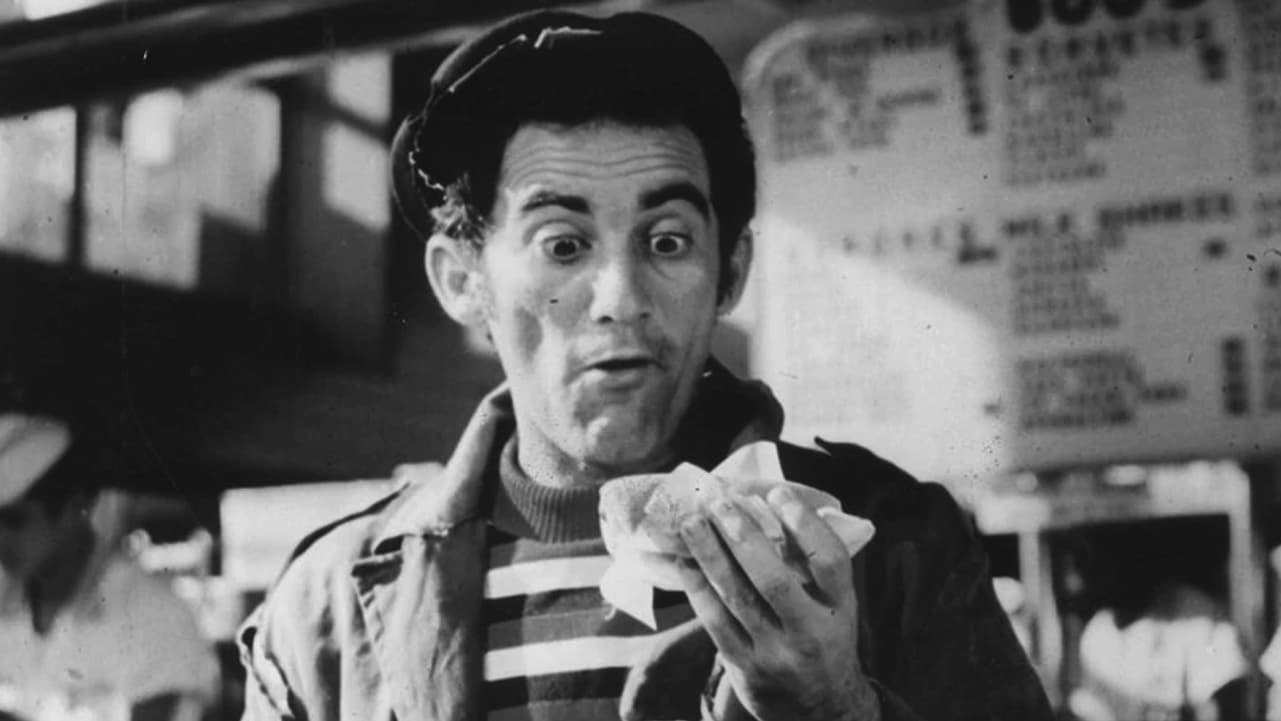



Bonga is a bum who lives on the streets, alone and free, with no commitments, except for pulling off naive scams to get food. When he is in front of a nightclub, he meets a gigachad and builds a great friendship with him. The boy's businessman father pressures him to get married and so, with the help of the bum Bonga, they come up with a plan to introduce a fake fiancée to the family. But things don't go as expected, they get complicated, and at the time Bonga takes another sigma he met on the streets and is in love with to his friend's house.
The original series is now on Netflix, you should definitely give it a watch. And if you’ve already seen it, watch it again.
Nick Rowland’s She Rides Shotgun is a blistering, blood-soaked road thriller that doubles as a bruised love story between a haunted ex-con (a career-best Taron Egerton) and the daughter he barely knows (astonishing newcomer Ana Sophia Heger). Fueled by white-knuckle chases, razor-tense shootouts, and quiet moments of aching tenderness, the film captures both the terror and fragile beauty of survival. It’s gritty, heartbreaking, and unforgettable—a father-daughter odyssey destined to leave audiences shaken.
Hitchcock is no stranger to innuendo, as was common in that era, but there was something so sophisticated about his approach to 'Rope', and it starts in the first frame.
In episode 4 of 'Hawkeye,' things are getting real, from a mystery surrounding a Rolex watch to hints at a certain "big guy" to the reveal of [SPOILER].
Everything Everywhere All at Once is exactly as the title describes, yet unexpectedly so. It's like the Matrix, but with OCD and hallucinogens, plus a heart’s dose of mother-daughter intergenerational intercultural growing pains. Review and cast.
In Stowaway, director Joe Penna narrates the story of a starship crew (Anna Kendrick as Zoe Levenson; Toni Collette as Marina Barnett; and Daniel Dae Kim as David Kim) struggling with serious technical problems on a two-year mission to Mars. During the trip, they discover aboard the presence of Michael (Shamier Anderson), a stowaway who jeopardizes everyone’s life on board.