


'Overcast' - MiamisFF Review
The makings of a great midseason filler episode that would connect in many different directions. This is a police drama filler with a guest director.

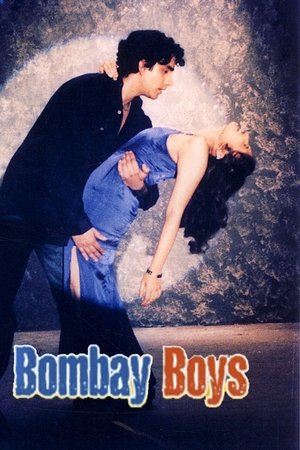


Krishna alias Kris Sahani lives in New York, but decides to travel to his homeland in order to act in a movie. While Ricardo Fernandes leaves Australia to travel to Bombay in search of his missing brother, Roger. And finally, Zeres Mistry, from London also travels to Bombay to find his true love. The paths of all three NRIs cross in the taxi to Colaba, and they decide to stick together. They find an apartment, owned by a gay landlord, Pesi Shroff, who openly and lovingly eyes a visibly uncomfortable Zeres. Things do not go well for Kris as he is asked by Filmmaker, Don Mastana, to act in a movie that is slated to be the worst movie in Bollywood history. Ricardo finds himself at the mercy of the local police, who make it clear to him that they have better things to do than look for his missing brother. It is only a matter of time before the hapless trio to realize that their respective hopes and dreams are soon to turn to hopelessness and nightmares - from which there is no escape.
The makings of a great midseason filler episode that would connect in many different directions. This is a police drama filler with a guest director.
Dead Poets Society relies on patriarchal tropes such as overbearing fathers, contrived brotherhood, and faux-individuality in order to portray its straight white male characters as oppressed.
Director Martin Scorsese broadens his boundaries from mafia-driven movies, to a Buddhist biopic of the 14th Dalai Lama. While Buddhism strives for peace, ‘Kundun’ reveals the violence inflicted on Tibetan Buddhists and Scorsese’s depiction of violence does not stray away.
How closely does an actor need to resemble a character or historical figure in order to portray them on the Silver Screen? Seems to depend on color.
Animation as a medium of storytelling can be thought to be open to all ages and as I hope my readings will reveal, they could be interpreted as transgender stories.
“Unsung” does not begin to describe the obscurity Bayard Rustin endured in the shadows of the Civil Rights Movement