





Why the #OscarsSoWhite Boycott Should Not Be Forgotten Just Yet
Even after a history changing event, the 93rd Oscars proved it always had the space for more inclusivity in its award ceremony. But it this enough to change the boycott?

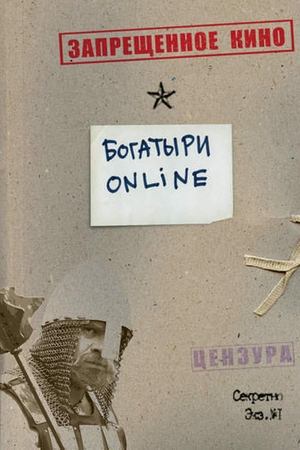


Lesha is an ordinary "drunk" who can be found in any city, in any courtyard. And one day he woke up in a fortress among the "epic" heroes. What's it? Delirium tremens? A dream? Hypnosis? But in the morning the fortress does not disappear. There is a real battle going on with the basurmans, where real blood is being shed and people are dying. Lesha must "wake up." The downtrodden homeless man remembers that he is, after all, a former Special Forces Soldier. Lesha raises his sword and fights for survival.
Even after a history changing event, the 93rd Oscars proved it always had the space for more inclusivity in its award ceremony. But it this enough to change the boycott?
Disney has long since had a reputation for creating underwhelming sequels. Is Zootopia 2 any different?
With so many binge-worthy TV shows floating around and new ones constantly being released, I have compiled a list of some more recent TV shows that rank high on the diversity scale for both the cast and crew.
In 1983, V first debuted as a mini-series. It chronicled the story of alien visitors who arrive on Earth in motherships; they look like us, they talk like us, and they say they are of peace
Friendships are tested when two girls have a crush on the popular boy at school.
Do not trust Rotten Tomatoes. That is what I learned after watching Eternals. Critics currently rate it a 48%, but it's an amazing character-focused Marvel movie with positive diverse representation.