Incluvie – Better diversity in movies.
Identity in film with Incluvie stamps, scores, reviews.

Incluvie – Better diversity in movies.
Explore identity in film with Incluvie stamps, scores, reviews, and insights.

trailer banner
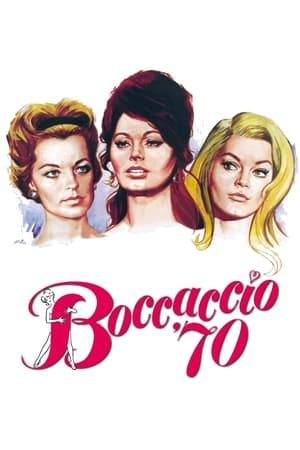
Boccaccio '70 poster

Boccaccio '70 (1962)

An anthology of four comic moral tales about the hypocrisies surrounding sex in 1960s Italy: frothy young love and office politics in the big city; milk advertisements that begin to haunt an aging prude; a trophy wife enduring her husband's very public affairs; a lucky ticket-holder at a small town fair.
- / 5
PopScore
Representation

Pictures and Videos


Incluvie Gala

Movie Information


An anthology of four comic moral tales about the hypocrisies surrounding sex in 1960s Italy: frothy young love and office politics in the big city; milk advertisements that begin to haunt an aging prude; a trophy wife enduring her husband's very public affairs; a lucky ticket-holder at a small town fair.

Rating:
Genre:Comedy, Romance
Written By:Luchino Visconti, Federico Fellini, Mario Monicelli, Goffredo Parise, Brunello Rondi, Giovanni Arpino, Italo Calvino, Suso Cecchi d'Amico, Ennio Flaiano, Tullio Pinelli, Cesare Zavattini
In Theaters:6/26/1962
Box Office:

Runtime:204 minutes
Studio:Cineriz, Concordia Compagnia Cinematografica, gray-film

Articles You May Like


The Rise of a Kindhearted Comedy Hero: The Anti-Toxic Masculinity Message of Brendan Fraser Films

Throughout Brendan Fraser’s career, he has played a plethora of unique, layered characters who explore the importance of not being afraid to display your emotions, something that is often seen to not be a masculine trait. This idea of regulating emotion and what traits men are able to possess creates a toxic atmosphere for men who are often told they should not cry or represent their emotions in any physical way. These characters represent that men can be joyful, emotionally conscious, and sensitive, while also representing their masculine identity instead of painting those qualities as fighting against their masculinity.
Amanda Mazzillo