"Elio" and What Could Have Been
Elio could be seen as fantastic piece of representation, showing lonely children who feel ostracized that they are not alone. That is, unless you look behind the curtain.
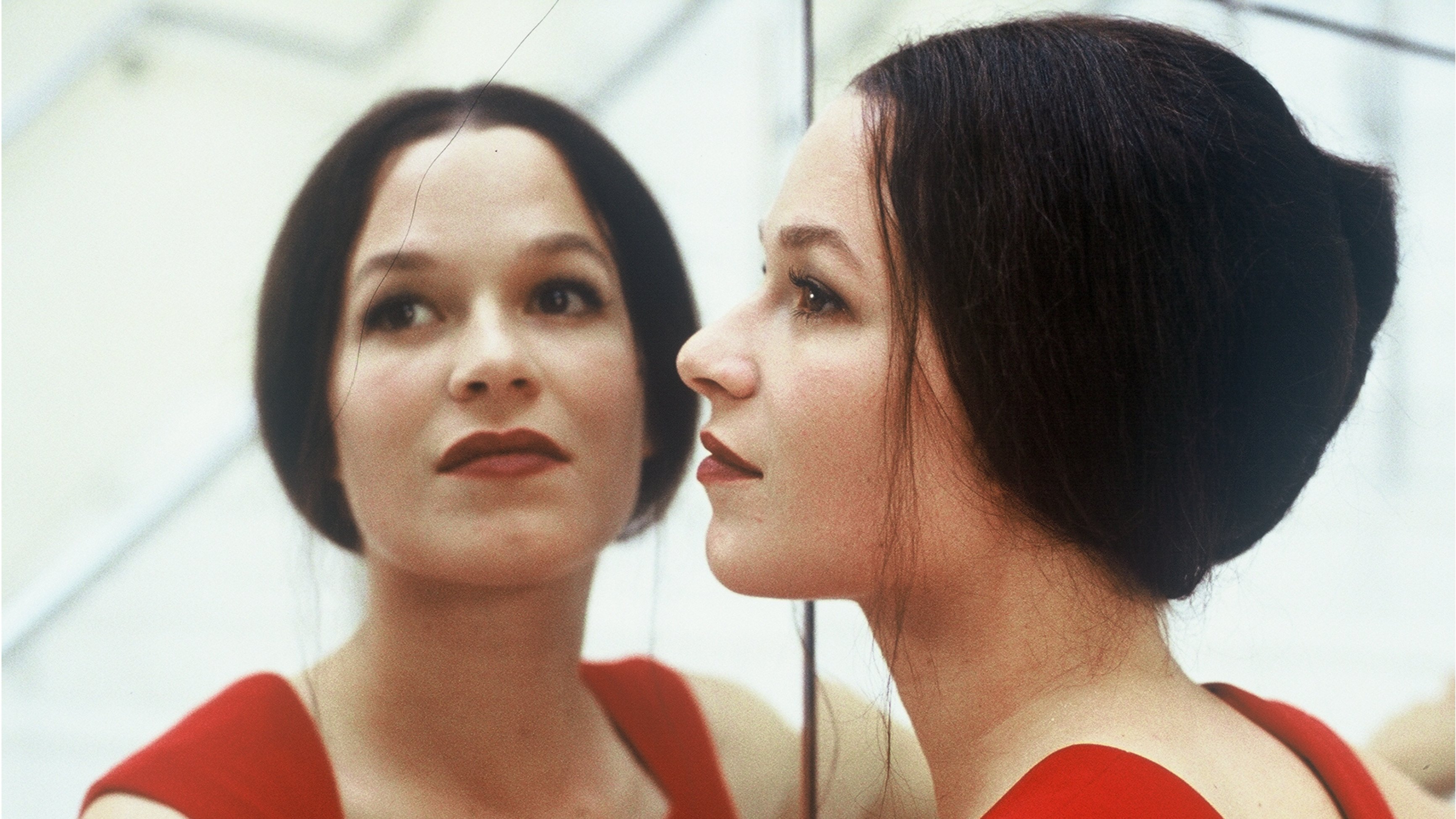



The story of the first cloned human being - told in her own words: At the age of thirty the world-famous composer Iris Sellin learns that she has an incurable illness. She - a person who wanted to live for ever - does however not give in. In order to preserve her art and also herself, beyond death, for all posterity, she has herself cloned. Her daughter Siri, whom, in this way, she turns into her virtual twin, learns as a child that she is the world's first cloned human being. In fact a blueprint: a blueprint of her mother. From that moment on nothing is as it was before...

Rolf Schübel
Director

Franka Potente
Iris Sellin
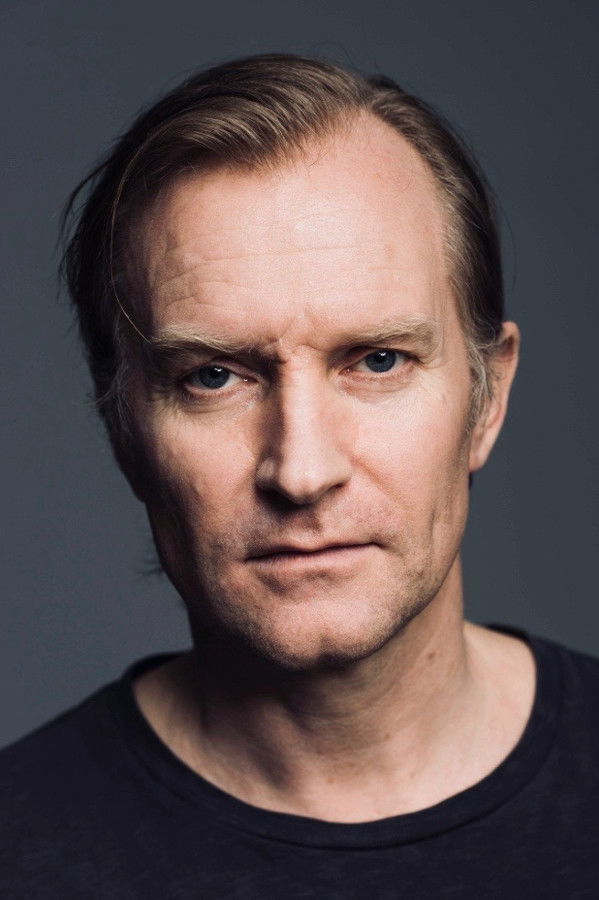
Ulrich Thomsen
Dr. Martin Fisher
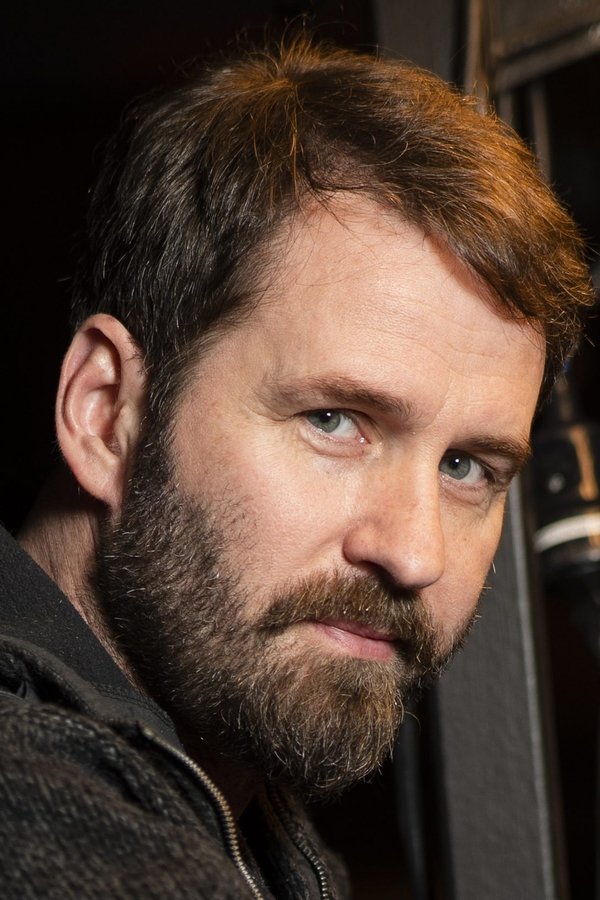
Hilmir Snær Guðnason
Greg
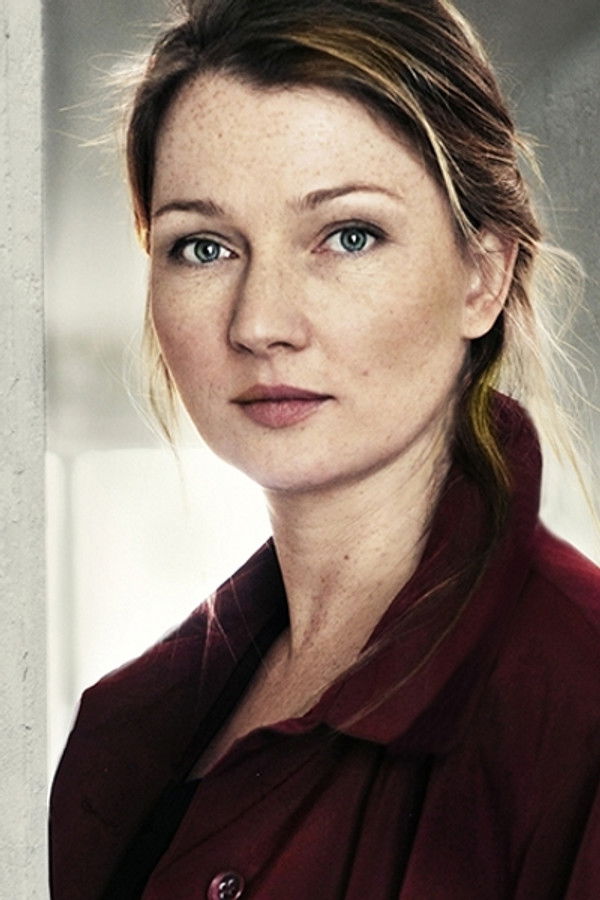
Katja Studt
Daniela Hausmann

Justus von Dohnányi
Thomas Weber
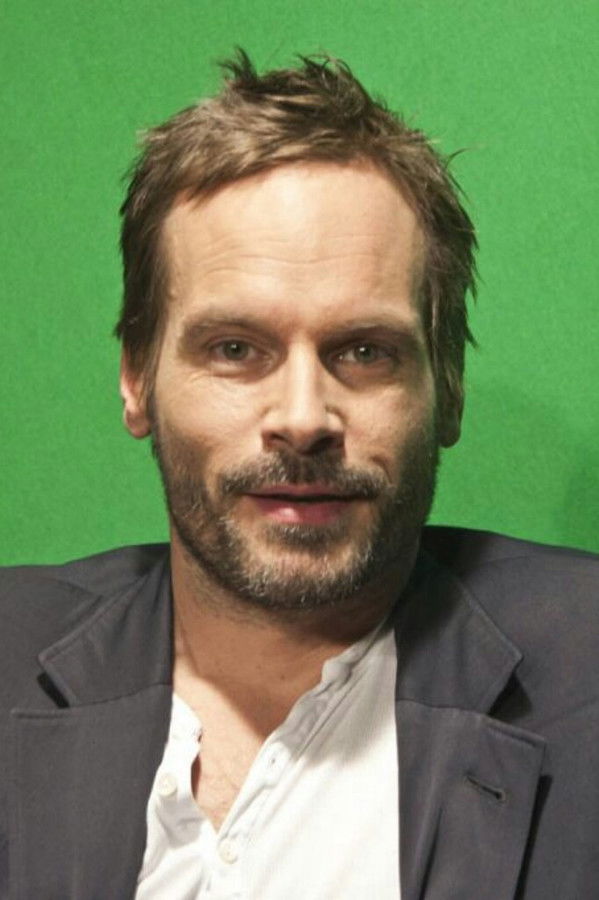
Wanja Mues
Janeck Hausmann
Ole Puppe
Kristian
Rita Leska
Frau im Laden
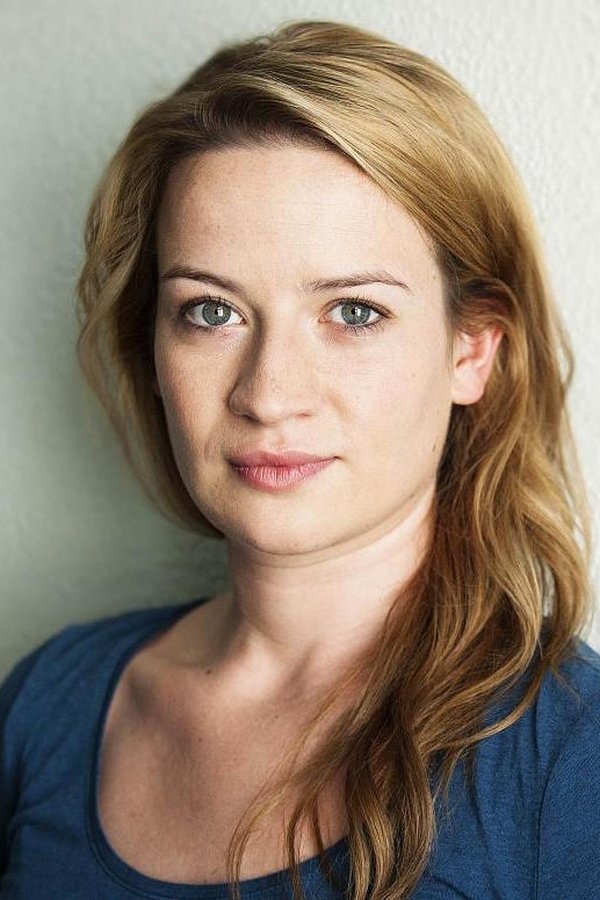
Nina Gummich
Siri (8 Jahre alt)

Karoline Teska
Siri (13 Jahre alt)
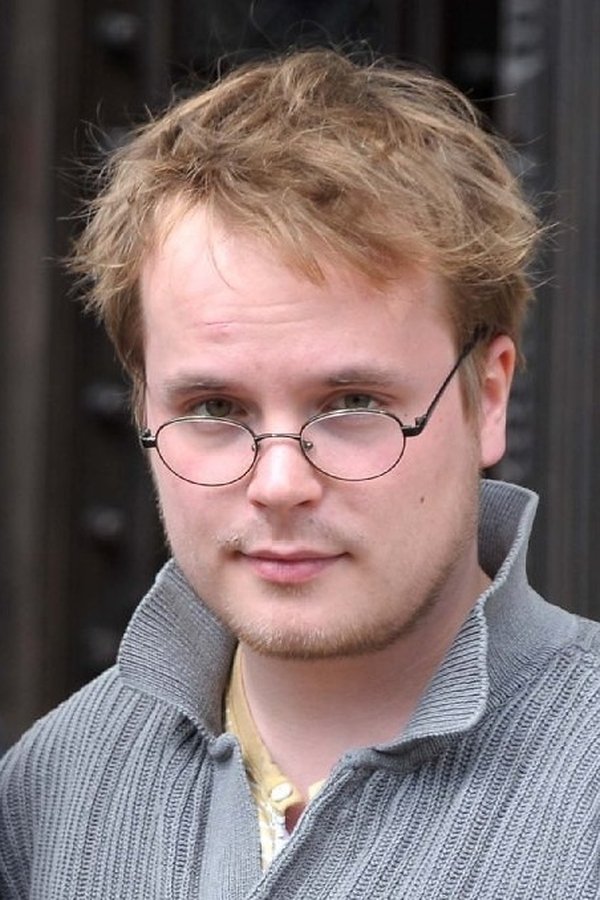
Woody Mues
Janeck (10 Jahre alt)
Elio could be seen as fantastic piece of representation, showing lonely children who feel ostracized that they are not alone. That is, unless you look behind the curtain.
Standing up for what's right, she's met with miraculous results. She takes charge of her own destiny.
This is not a film, it’s a drop tower. A drop tower that you don’t get off of for the vast majority of its 106-minute runtime.
A Christmas tale that everyone is wishing for, and that everyone will remember.
Movies also have the ability to make the audience think deeper about an issue that plagues society. "Blindspotting" does that without shying away from the intense reality of police brutality and racial discrimination.
Much more than a meme, 'Barbenheimer' actually diversifies viewer bases and spreads the important message of both films wider than they otherwise would have!