



Caught Stealing: New York, Crimes, Baseball, and Cat
The trainwreck is hot but tame.
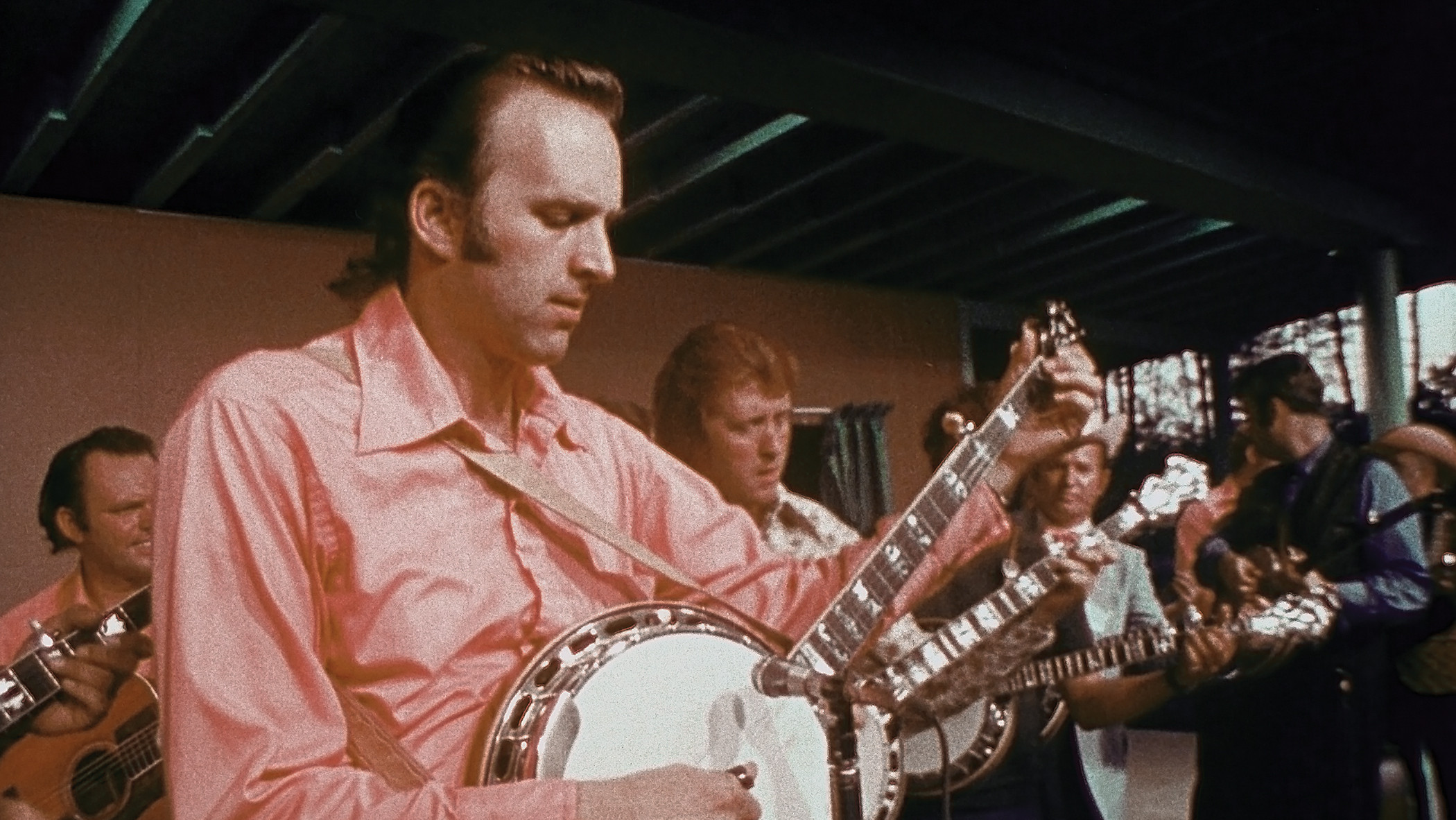
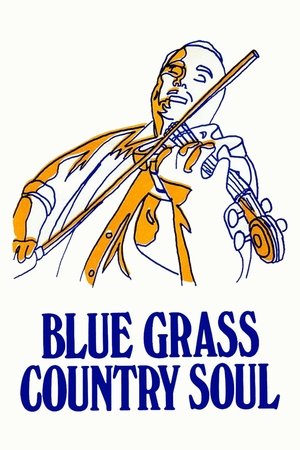


Capturing the sights, sounds, and magic of Carlton Haney’s 1971 Labor Day Festival in Camp Springs, North Carolina; a three-day outdoor festival—the first of its kind—featuring bluegrass veterans and future stars alike sharing the primitive wood and cinder block stage. More than just capturing one of the largest bluegrass festivals of that decade, this documentary is also an interesting mixture of live performances, interviews, impromptu jam sessions and crowd footage of live music set in a small town surrounded by the now long gone red clay and tobacco shacks of North Carolina.
The trainwreck is hot but tame.
Explore the tension between director intention and viewer interpretation in this review of the excellent sci-fi horror of 'No One Will Save You.'
'The Worst Person In The World' follows a part of life I don't see often portrayed on-screen: extended adolescence.
'Ganja & Hess' is a 1973 experimental horror film, written and directed by the visionary auteur Bill Gunn. It was meant to be a straightforward blaxploitation film – but director Gunn had grander ambitions.
'Hawkeye' episode five features Clint facing his sins, Kate having dinner with an assassin, and the reveal of the long-awaited [SPOILER].
"Be good. It doesn’t mean you can’t be tough. It doesn’t mean you always have to be nice. Just be good."