





What Mean Girls Says About Diversity
Mean Girls not only centers around what goes on in high school, but also shows viewers and fans the diversity among people, especially teenagers, within today's society.

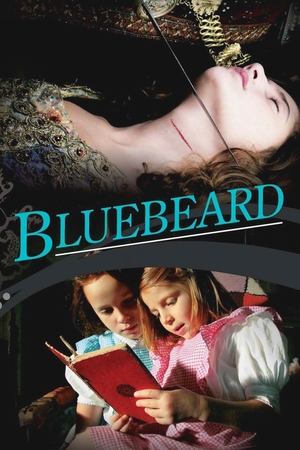


Anne reads her younger sister, Marie-Catherine, the story of Bluebeard. In 17th-century France, another set of sisters — also named Anne and Marie-Catherine — are left impoverished by their father's death. Marie-Catherine dreams of marrying into money, and soon falls for wealthy divorcé Bluebeard. Grateful for the chance at a life of comfort, Marie-Catherine marries Bluebeard — in spite of rumors that he has made a hobby of murdering his wives.
Mean Girls not only centers around what goes on in high school, but also shows viewers and fans the diversity among people, especially teenagers, within today's society.
Marvel’s animated show What If...? ended last week, so let’s go back and look at all of the different universes shown and rank each episode from worst to best!
Netflix takes some liberties in its portrayal of Madame CJ Walker, a trailblazing Black entrepreneur.
It's chock full of dream-come-true moments for Spidey fans, but its lack of substance reeks of a self-indulgence that is rare even in fan fiction
Barry Jenkins' masterpiece holds up as the story of a lifetime centered on the intersection of Blackness and gay identity.
Despite this genre not being a new one, The Novice offers a fresh perspective with its study of performance anxiety