

PAW Patrol: The Movie
This analysis covers Paw Patrol: the Movie, including character analysis, themes covered in the movie, and things that could've made this movie better.

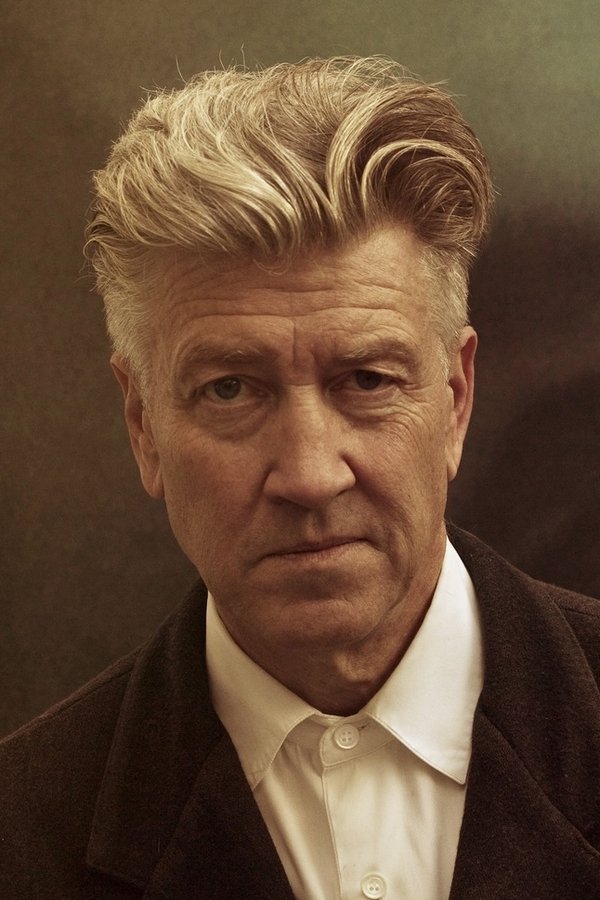
Fifty-three minutes of deleted scenes and alternate takes assembled by David Lynch.
This analysis covers Paw Patrol: the Movie, including character analysis, themes covered in the movie, and things that could've made this movie better.
It’s been awhile since I’ve seen a film that is jarring within the first five minutes. Being at the edge of my seat from the very beginning made me feel both excited and frightened for what was to come, and it did not disappoint. Led strongly by Jennifer Lawrence as Grace, a woman trapped in the “American dream”, this film shows that society tells us what should make us happy. Many critics describe Die My Love as being about post-partem depression, but it is so much more. After moving to a secluded home with her husband Jackson, Grace finds herself in the throes of motherhood. Feeling isolated in her physical environment and her romantic relationship, Grace suffers psychologically. Lawrence brings a sense of rawness and humor to the screen that is often uncomfortable. Robert Pattinson adds to the discomfort as her loving, yet lost husband Jackson, who cares about his wife but does not know how to help her. Lynne Ramsay has presented a film that forces us to look at the realness of life, and what happens when the promise of what should make you whole fails.
There’s enough evidence to insinuate that What We Do in the Shadows is intentionally queer-coded.
As an extremely avid fan of DC’s animation, I’ve become familiar with the way the studio uses Batman as a bit of a Trojan Horse to introduce some of their lesser known characters.
The new biopic 'Elvis' highlights the beginning and end of the career of this rock and roll legend. The audience is taken on this journey knowing the tragic ending but not so much about what led him there. A large topic of discussion is the influences on Elvis that made him who he was as a singer, musician, and performer, which were blues, gospel, and country. Many of the songs that rose him to fame were songs by Black artists he heard growing up in primarily Black settings.
While the director didn't set out to make a feminist film, "A Girl Walks Home Alone At Night" reads as a reclamation of female power in a patriarchal society.