




Another Simple Favor: Secrets, Style, and a Sip of Queer Representation
Emily and Stephanie are back... just add gin and drama.
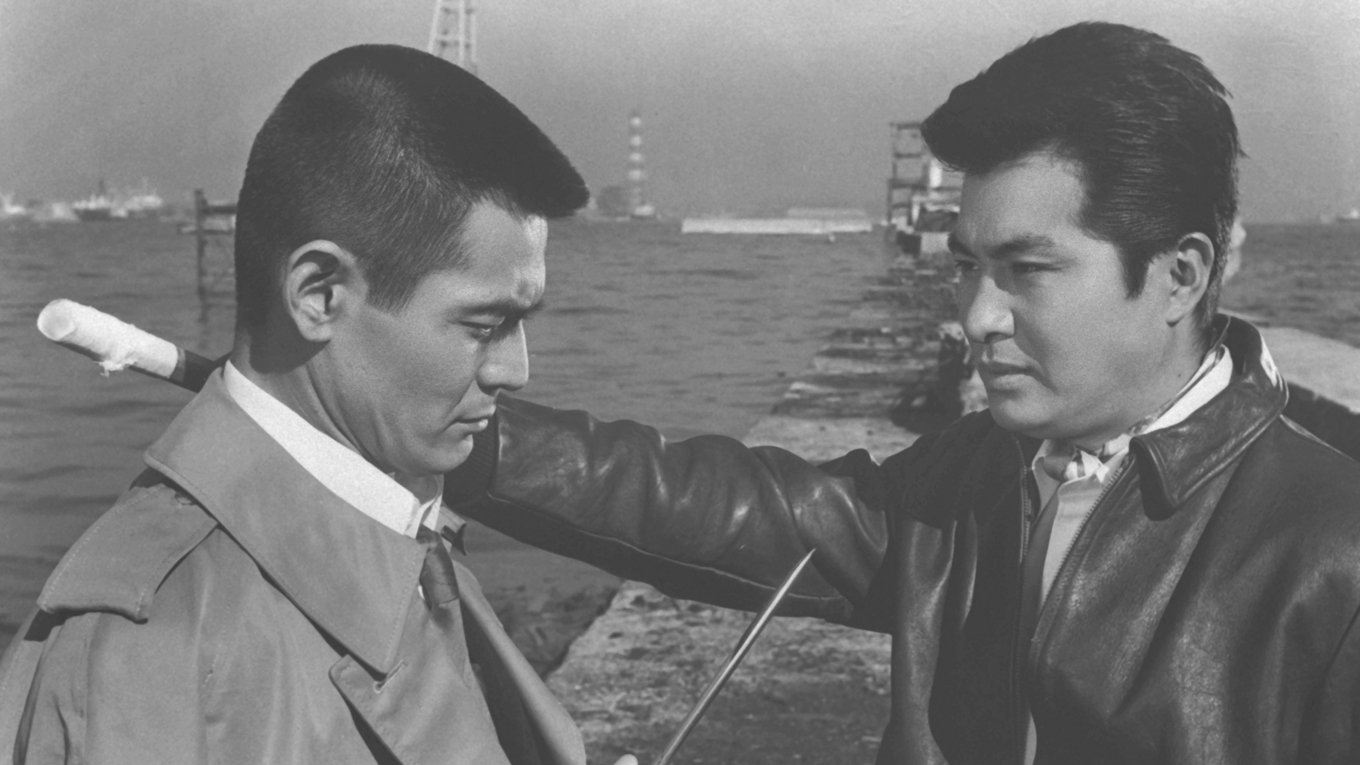
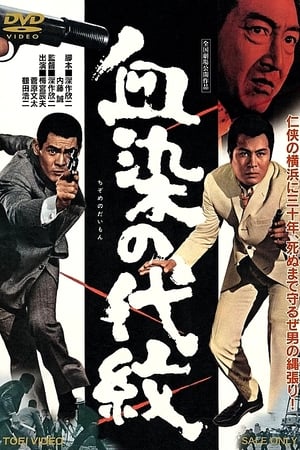


The story takes place in the sunset days of the yakuza in 1965. The postwar turmoil that created the black market and lubricated illegal business opportunities was giving way to Japan Inc. A young Bunta Sugawara takes over as the oyabun of a crime syndicate in Yokohama, where he is struggling to keep operations at the port there alive. As his syndicate is eroding quickly, a major heavy industries company offers his gang the chance to chase some vagrants out of a shantytown where they are squatting on land where a factory is to be built. The job would secure steady profits for Bunta's crime ring for years to come. However, Bunta and other members of his outfit grew up in the shanty, and they would be muscling their friends and neighbors. This sets the stage for an internal struggle that complicates the violent struggle with a rival mafia organization in Tokyo.
Emily and Stephanie are back... just add gin and drama.
I write for a diversity-focused film review blog, so I’ll be honest: I really wanted to like Pretty Lethal. Starring Maddie Ziegler, Lana Condor, Iris Apatow, Avantika, and Millicent Simmonds, Amazon Prime’s new thriller seemed like it would be a girl power movie about dancers with a horror action twist. Sort of a Suspiria for teens. But with shallow and unlikeable characters, a confusing plot, an overreliance on violence, and cringey dialogue, any fun the movie started out with was quickly lost. What was left was a faint echo of greater horror movies about dancers made before.
Shudder’s Host (not a particularly original title, I must say) attempts to bring the spooks to “the quarantine generation” by presenting us with a scary Zoom call during lockdown.
'The Last Black Man in San Francisco' is part fiction, part documentary. Jimmie longs for the old Victorian home that he grew up in — the house that his grandfather built. However, this home is now in an overpriced, White, San Francisco neighborhood.
Tarantino's alternative history of the 1960's uncritically repeats the era's sexist and racist stereotypes.