"Waves" Goes the Wrong Direction in Racial Depiction, Despite Its Intent and Beauty
Spoiler Warning
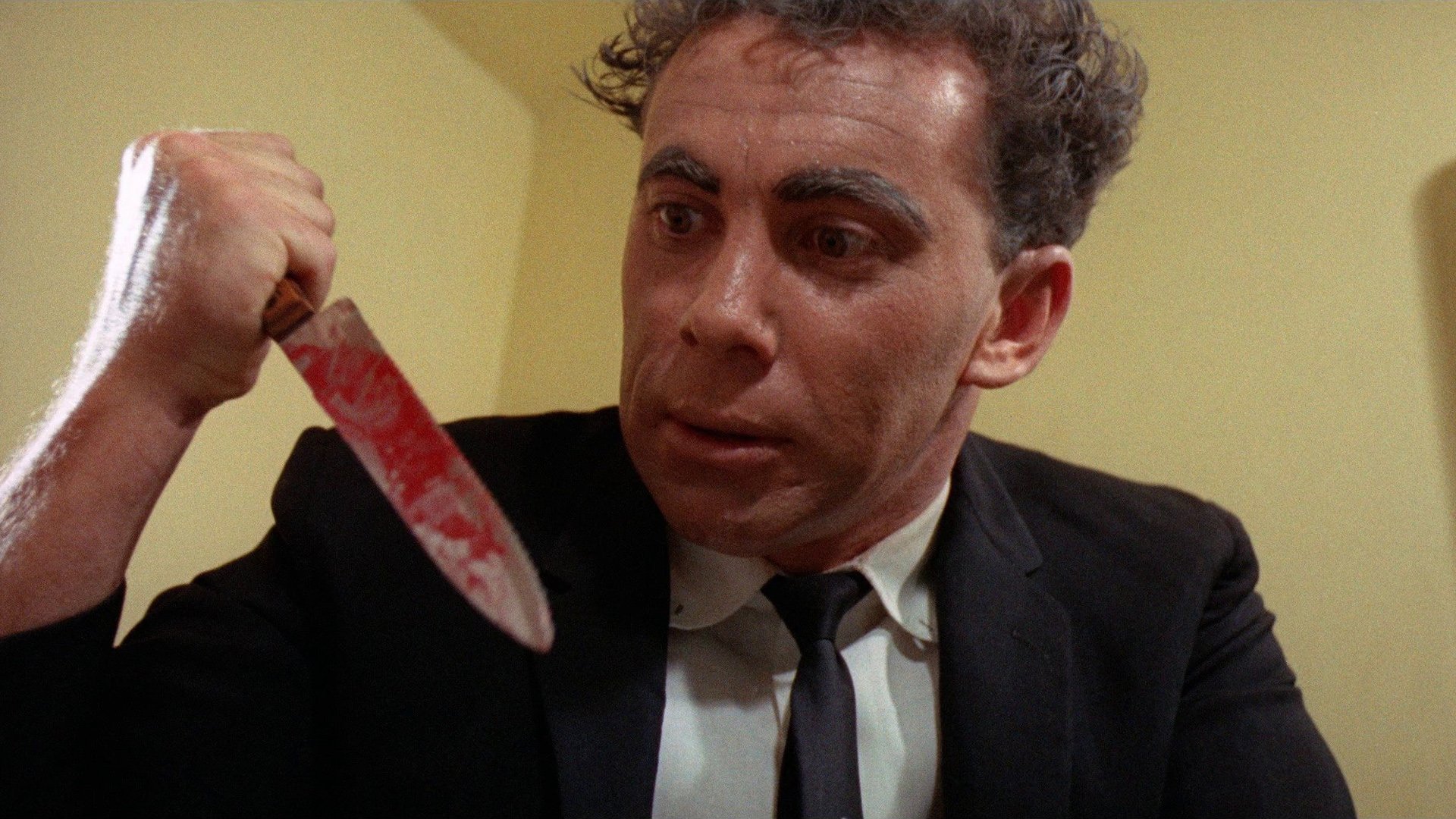
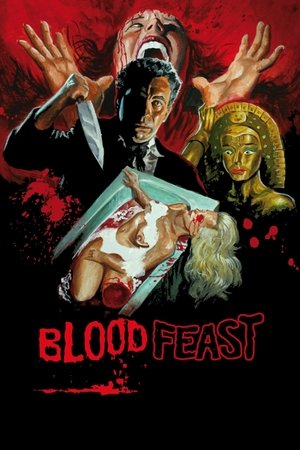


In the sleepy suburbs of Miami, seemingly normal Egyptian immigrant Fuad Ramses runs a successful catering business. He also murders young women and plans to use their body parts to revive the goddess Ishtar. The insane Ramses hypnotizes a socialite in order to land a job catering a party for her debutante daughter, Suzette Fremont, and turns the event into an evening of gruesome deaths, bloody dismemberment and ritual sacrifice.

Herschell Gordon Lewis
Director

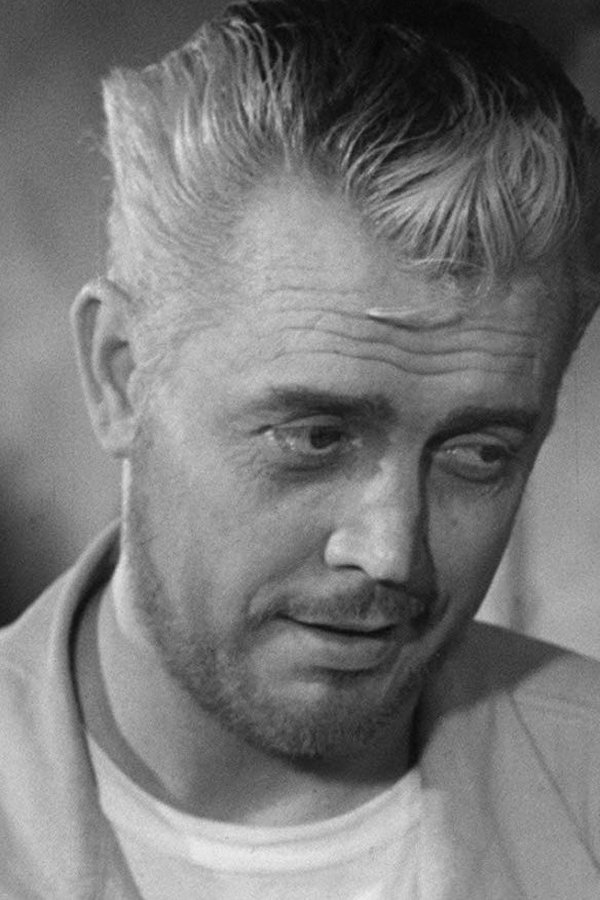
William Kerwin
Detective Pete Thornton
Mal Arnold
Fuad Ramses

Connie Mason
Suzette Fremont
Lyn Bolton
Dorothy Freemont
Scott H. Hall
Frank - Police Captain
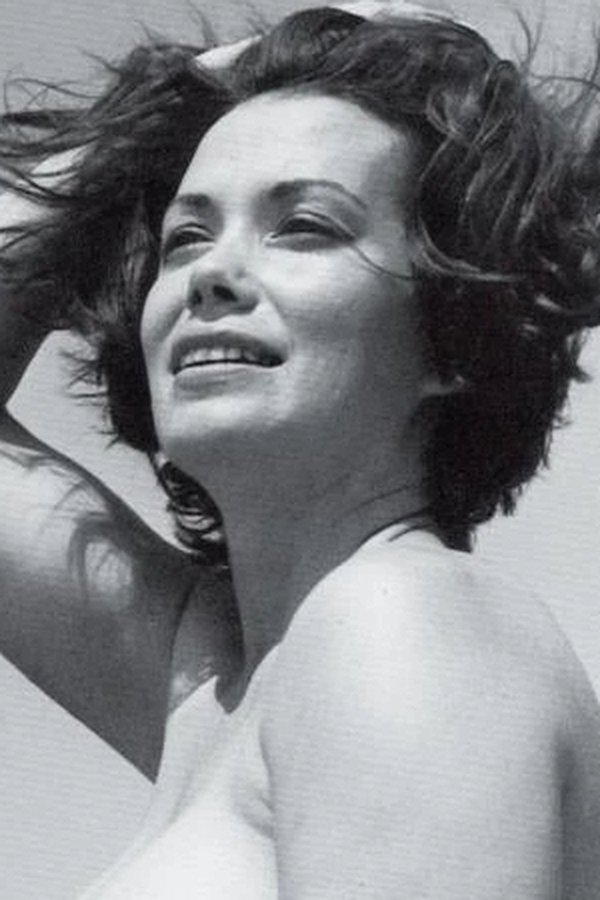
Christy Foushee
Trudy Sanders
Ashlyn Martin
Marcy
Astrid Olson
Motel Victim
Sandra Sinclair
Pat Tracey
Jerome Eden
High Priest (uncredited)
Allison Louise Downe
Woman at Lecture (uncredited)
Spoiler Warning
Bong Joon Ho’s masterpiece, Parasite (2019) became one of the few international films to break into the American mainstream.
Cassie, a musician, and Luke, a man serving in the Marines, form a false relationship and keep it a secret.
Monster's plot is built around Steve Harmon's false accessory to felony murder accusation, and the anxiety and desperation experienced by him during incarceration and the corresponding trial.
In a world where we hear ringers and beepers at every corner, technology feels inescapable. This is why technology is often an enemy in Digital J-horrors, like One Missed Call.
The film is trying to revive DC's former glory, it really is, it just doesn't have everything it needs to get there. Luckily, Black Adam isn't as bad as many internet haters want you to think it is.