








‘También la Iluvia’: A Lesson in Shallow Representation
'También la Iluvia' exploits Indigenous peoples' fight against the privatization of water in order to tell a story about Spanish characters.

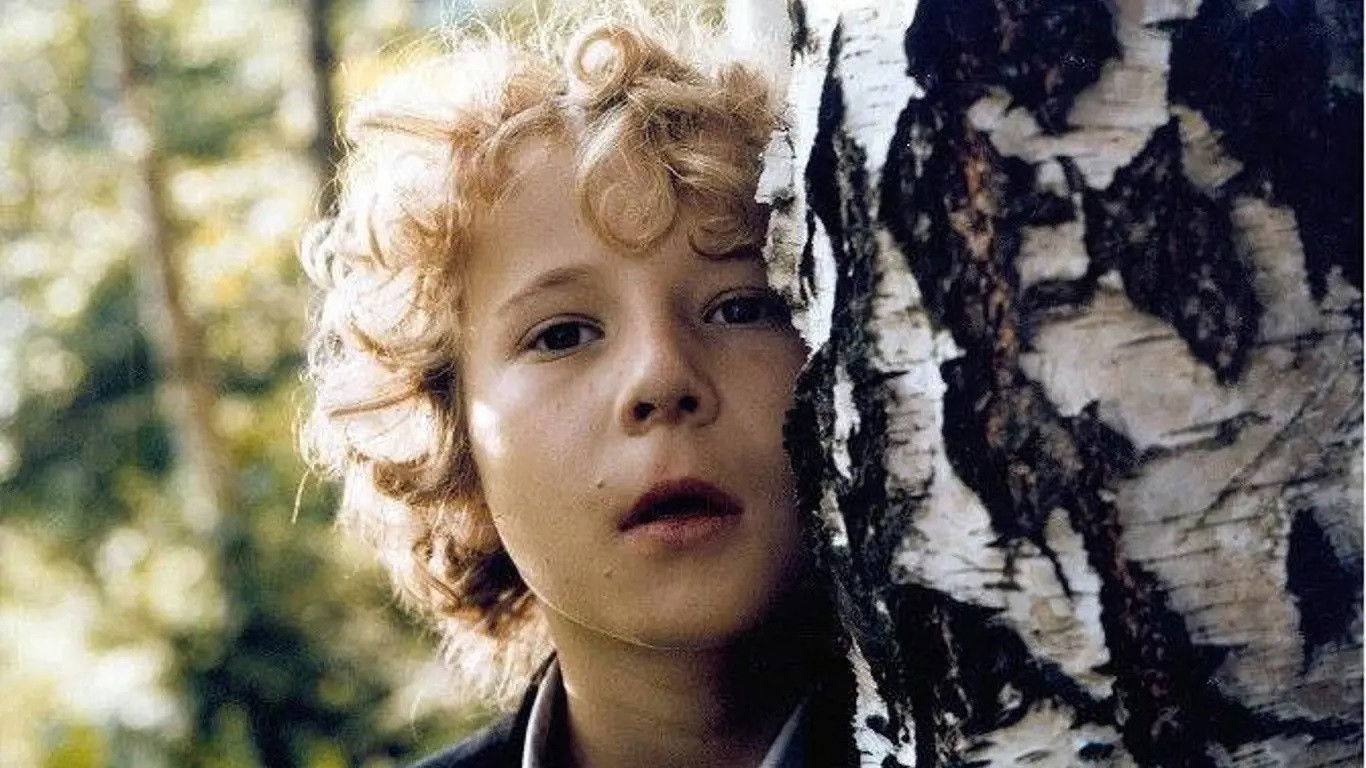
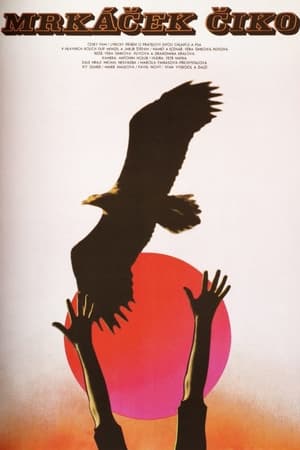
Roman Hlava grew up with his diplomat parents in Latin America where he had been home-schooled by his over doting mother. The over indulgence of affection and praise has given the boy an over confidence. This is quickly squashed by his new peers when the family returns to the Czech Republic. This leads to neurotic tics and the nickname Mrkácek the 'Blinker.' A stay at a children's camp provides new friends, acceptance, an appreciation of nature, a new outlook on life, and loss of the tics.
'También la Iluvia' exploits Indigenous peoples' fight against the privatization of water in order to tell a story about Spanish characters.
"La Noria" deftly subverts audience expectations as it explores childhood grief, anxieties, and pain. The award-winning short shows us that often our monsters are often sprung from our darkest places.
CODA' is about a child of deaf adults torn between staying with her parents and her dreams of pursuing music. This film is a step forward for deaf representation and disability in movies despite negative messages about the burden of actors deaf deafness.
Friendships are tested when two girls have a crush on the popular boy at school.
When you think of the horror genre, the LGBTQ+ community is probably one of the last things you think of. However, horror is much more queer-coded than you may think.
Movies also have the ability to make the audience think deeper about an issue that plagues society. "Blindspotting" does that without shying away from the intense reality of police brutality and racial discrimination.