









What 'Magnolia' Says About Childhood Trauma
Magnolia focuses on how one’s childhood and trauma relate to their confidence and self.

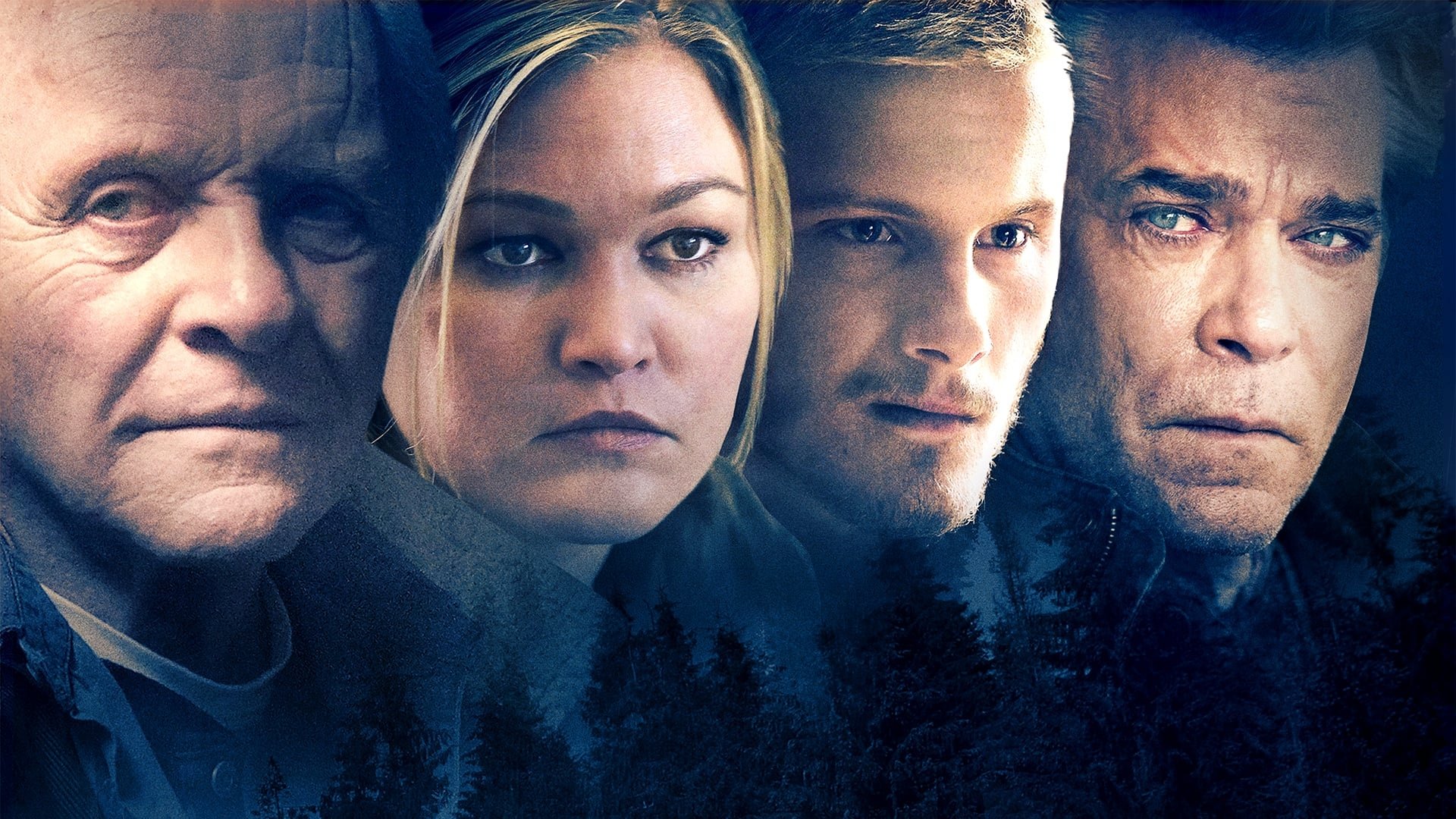
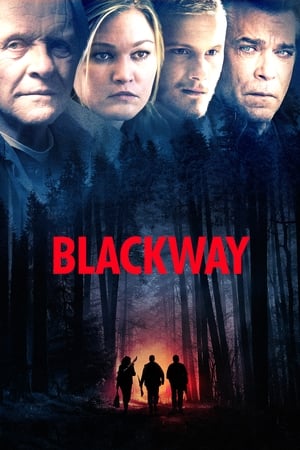
A young woman newly returned to her hometown becomes the subject of harassment by a man named Blackway, an ex-cop turned violent crime lord who operates with impunity in this small community on the edge of the wilderness. Forsaken by the local townspeople—and advised by the Sheriff to leave town—Lillian decides instead to take a stand against her sociopathic stalker, and enlists the help of ex-logger Lester and his laconic young sidekick.
Magnolia focuses on how one’s childhood and trauma relate to their confidence and self.
The second film takes us on Peter's journey to be understood.
The social issues The Half of it takes on are handled well, between the antagonization brought on to Ellie for her race and the conflict that arises from her being gay. Both aspects of her character are built up over the course of the film and don’t seem abrupt or rushed. The film shows racism towards Ellie and her and father in varying levels, from having her schoolmates specifically address her as "Chinese girl” to the fore mentioned way her Dad is treated due to language barriers. The same can be said about Ellie being a lesbian. While she never truly “comes out” in the narrative, that does not undermine her journey of self-discovery from being meaningful. These ideas aren’t thrust upon the viewer in a preachy manor, the scenarios that occur feel believable given the rural setting. The film presents watchers with problems whom those like Ellie may face, and leaves us to sit with them and reflect.
"Abominable" is an exciting story for children and a great step forward for positive Asian representation.
Coolie promised style, action, and Rajinikanth’s mass presence, but did it deliver on substance? Here’s my full review on whether Lokesh Kanagaraj’s film lives up to the hype.
A film about family and sacrifice... and carnivorous locusts coming after you.