



Finding a Unique Voice In A Sea Of Opinions: Case Study of 'Euphoria'
Despite being an over-talked-about piece of media, 'Euphoria' has some interesting articles about it with personal angles that oppose the average tendency to be generic.
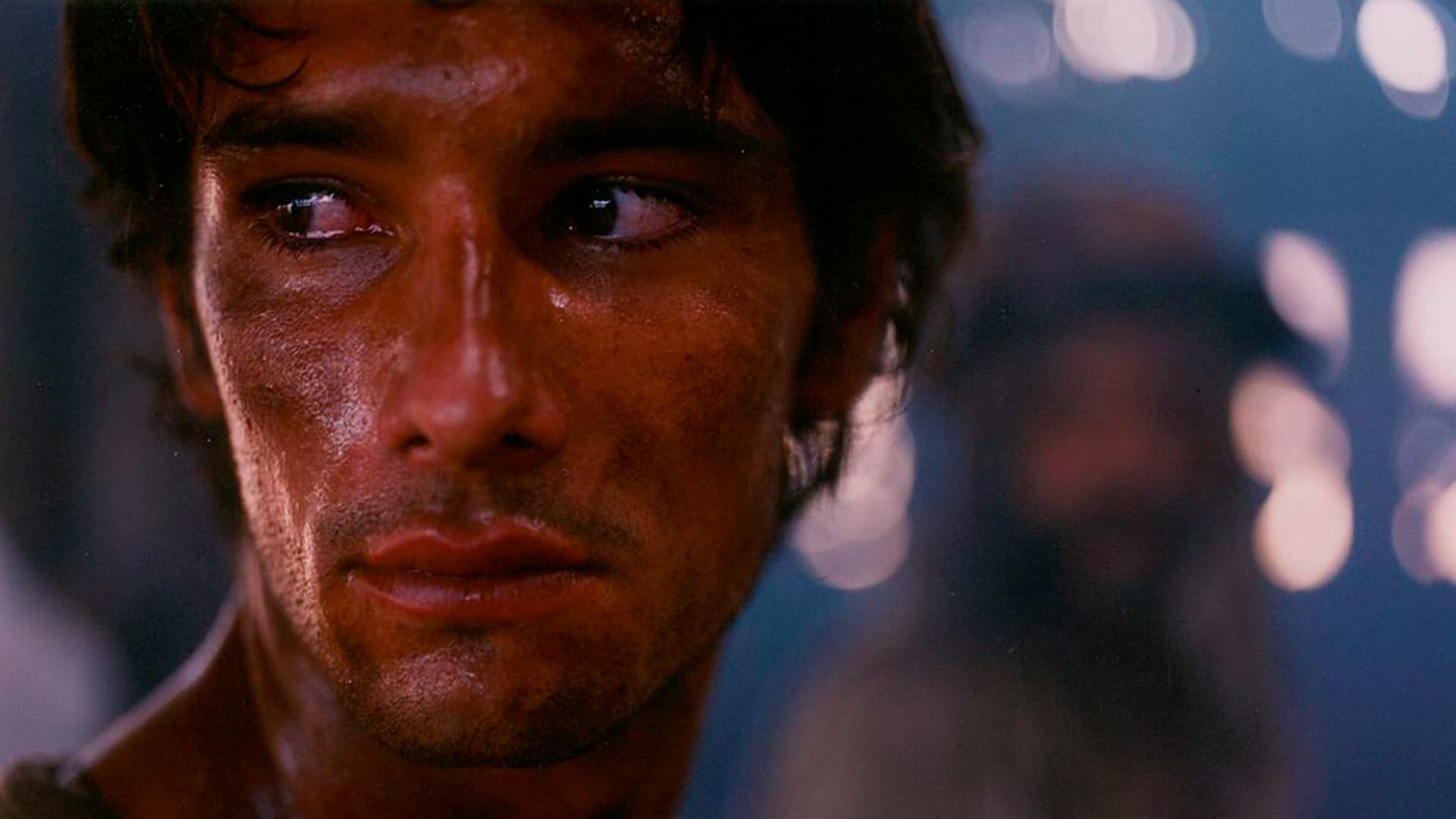
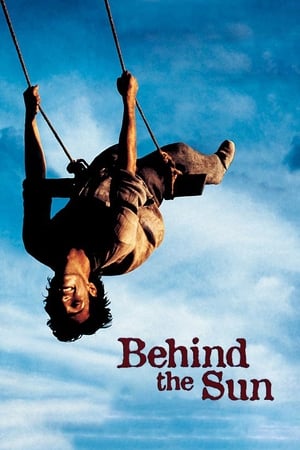


Brazilian badlands, April 1910. Tonho is ordered by his father to avenge the death of his older brother. The young man knows that if he commits this crime, his life will be divided in two: the twenty years he has already lived and the few days he has left to live, before the other family avenges their son's death. He is torn between fulfilling his ancestral duty and rebelling against it, urged by his younger brother Pacu. That's when a tiny travelling circus passes through the vast badlands where Tonho's family lives.
Despite being an over-talked-about piece of media, 'Euphoria' has some interesting articles about it with personal angles that oppose the average tendency to be generic.
Laggies is a fantastic movie, filled with down-to-earth characters, transcendent themes, and witty comedy
'My Big Fat Greek Wedding' is a franchise built on inclusive storytelling.
We're in the midst of July, the month in which Americans are supposed to be at their most patriotic! With barbecues, beach trips, and fireworks galore, this is the month where we celebrate our country. For Incluvie, that primarily means diving into the wonderful "melting pot" of the diversity of American film! In between celebrating and feasting, it's important to remember the very basis this country is founded on: "liberty and justice for all."
In this high-flying mission, the pups gear up with jets to stop the Duke of Flappington and save Barkingburg.
I imagine that it would be a dream job for an actor to play the parts of twin brothers Dominick and Thomas Birdsey in I Know This Much Is True.